
What are the industrial uses of LPG gas compressors?
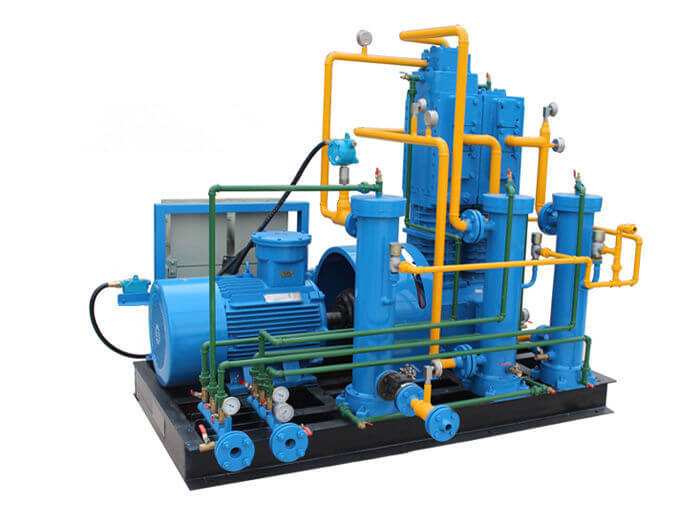
Liquefied petroleum gas (LPG) is a mixture of propane and butane, and is a clean energy commonly used in households, industries and transportation. With the growing global demand for clean energy, LPG is widely used in many industries such as petrochemicals, transportation, refrigeration, and energy production. However, the gas state of LPG limits its convenience in storage and transportation. At this time, LPG gas compressors play a vital role.
LPG gas compressors compress LPG gas and convert it into liquid form, which saves space, improves transportation efficiency, and reduces energy waste during storage and transportation. This article will explore the basic principles, application areas, technology development trends, key considerations when selecting, and safety and maintenance issues of LPG gas compressors in depth, providing a comprehensive reference for professionals in related industries.
1.The basic principles of LPG gas compressors
LPG gas compressors are equipment specifically used to compress liquefied petroleum gas (LPG) from a gas state at normal temperature and pressure to a higher pressure to a liquid or ultra-high pressure gas state. The working principle of LPG gas compressor mainly relies on mechanical pressure changes to change the volume and pressure of gas, and through this process, the purpose of storing and transporting LPG is achieved.
Basic working principle:
The working principle of LPG gas compressor is similar to that of traditional air compressor. It compresses gas to a higher pressure state through a compression process. Usually, LPG gas compressor consists of the following main parts:
Compressor body: compression by piston, screw or diaphragm.
Inlet valve and exhaust valve: control the in and out of gas to ensure smooth flow of gas.
Cooling system: During the compression process, the temperature of gas rises due to pressure, and the cooling system is needed to reduce the temperature to prevent overheating.
Lubrication system: ensure the smooth operation of various components inside the compressor.
The compressor increases the pressure of gas by continuously reducing the volume of gas. In this process, the temperature of gas will also rise, so the cooling system is needed to control the temperature to avoid overheating of gas. After this series of compression processes, LPG gas will be compressed to a liquid state, which is convenient for storage and transportation.
2.Main industrial uses of LPG gas compressors
LPG gas compressors play a vital role in many industrial fields, especially in energy, chemical, transportation, air conditioning and refrigeration industries. Here are some of the main industrial uses:
2.1 Petrochemical industry
LPG gas compressors are particularly widely used in the petrochemical industry. During the oil refining process, LPG is extracted as a by-product. Compressors help store and transport LPG gas to the required areas by compressing it.
In addition, LPG is also used as a chemical raw material to produce chemical products such as polyethylene and polypropylene. In the chemical production process, the storage and transportation of LPG requires the support of high-pressure gas compressors to ensure that the gas does not leak during long-distance transportation.
2.2 LPG gas storage and transportation
One of the main functions of LPG gas compressors is to compress gas into liquid form for easy storage and transportation. During the storage of LPG, the compressor compresses the gas to a higher pressure, making it in liquid form and taking up less space. This liquid LPG can then be loaded into storage tanks or transport containers for industrial and commercial use.
During transportation, LPG compressors help ensure that the volume of LPG gas does not expand during long-distance transportation, making transportation more efficient and safe.
2.3 Energy and power industry
LPG, as a clean energy, has been widely used in power generation and heating. The application of LPG gas compressors in the power industry is mainly reflected in storage and supply. Through the compressor, LPG can be stored efficiently and quickly supplied to gas generators for combustion when needed to generate electricity.
In addition, LPG is often used for home or industrial heating as a backup energy source. The compressor can provide a stable gas source to ensure the energy needs of home and industrial users.
2.4 Refrigeration and air-conditioning industry
In the refrigeration and air-conditioning industry, LPG, as a low-temperature liquid fuel, has broad application prospects. Many advanced refrigeration systems use LPG as a coolant, which is compressed by LPG compressors to make it easier to flow and evaporate in the system to achieve a refrigeration effect.
In cold chain transportation, LPG gas compressors also play a vital role. After LPG is compressed into a liquid state, it is used as a refrigerant in refrigerated trucks, cold storage and other equipment to effectively maintain a low-temperature environment.
2.5 Automobile Industry
As environmental regulations become increasingly stringent, LPG, as a clean automobile fuel, has gradually been widely used in gas vehicles. The main role of LPG gas compressors in the automobile industry is to compress LPG gas so that it can be stored in the car’s gas cylinder in liquid form for use by the vehicle engine.
The compressor helps ensure a stable supply of LPG gas under high pressure, improves the utilization efficiency of automobile fuel, and reduces emission pollution.
2.6 Industrial Gas Stations
LPG gas compressors are widely used in industrial gas stations. At gas stations, compressors ensure a smooth and safe gas filling process by compressing LPG gas to an appropriate pressure. The LPG gas compressors in gas stations not only improve the gas filling efficiency, but also ensure the safety of the gas filling process.
3.Technical Development Trends of LPG Gas Compressors

As energy demand continues to change, the technology of LPG gas compressors is also constantly developing. The following are several major technical development trends:
3.1 High-efficiency energy-saving technology
As environmental protection requirements and energy-saving goals increase, the energy-saving technology of LPG gas compressors is also constantly improving. Modern compressors are increasingly focusing on energy efficiency optimization, using more efficient motors and compression technologies to reduce energy consumption and lower operating costs.
3.2 Intelligence and Automation
The application of intelligent technology enables LPG gas compressors to monitor key parameters such as gas pressure and temperature in real time during operation, and automatically adjust the working state to meet the operating requirements in different environments. The introduction of automation technology also makes the operation of the compressor easier, reduces manual intervention, and improves operational safety.
3.3 Environmental Protection Technology
Environmental protection technology is increasingly being used in LPG gas compressors. Many new gas compressor designs focus on reducing emissions, reducing noise pollution, and have automatic detection and alarm functions in the event of gas leaks. This not only meets the requirements of environmental protection regulations, but also improves the safety and stability of the equipment.
3.4 Application of New Materials
The application of new materials has significantly improved LPG gas compressors in terms of corrosion resistance and high pressure resistance. Especially in the environment of long-term high-pressure operation, the durability of the compressor has been enhanced, extending the service life of the equipment.
4.Key considerations when selecting LPG gas compressors
When selecting LPG gas compressors, industry experts and engineers usually need to consider the following factors:
4.1 Performance parameters
When selecting an LPG gas compressor, the first thing to consider is the performance parameters of the equipment, such as pressure range, flow rate, power consumption, etc. These parameters determine whether the compressor can meet actual needs.
4.2 Durability and reliability
LPG gas compressors usually need to operate for a long time under high load and high pressure environments, so their durability and reliability are crucial. Choosing a certified and quality-assured compressor brand can effectively increase the service life of the equipment and reduce maintenance costs.
4.3 Safety
Safety is a factor that must be given priority when selecting an LPG gas compressor. The compressor must have safety features such as explosion-proof, leak-proof, and temperature control to ensure safe operation in a high-pressure gas environment.
4.4 Maintenance and service
During long-term use, the maintenance and service of LPG gas compressors are very critical. Choosing a supplier that provides comprehensive
after-sales service and timely maintenance can ensure that the equipment remains in the best condition during operation and reduce the risk of failure and downtime.
5.Safety and maintenance of LPG gas compressors
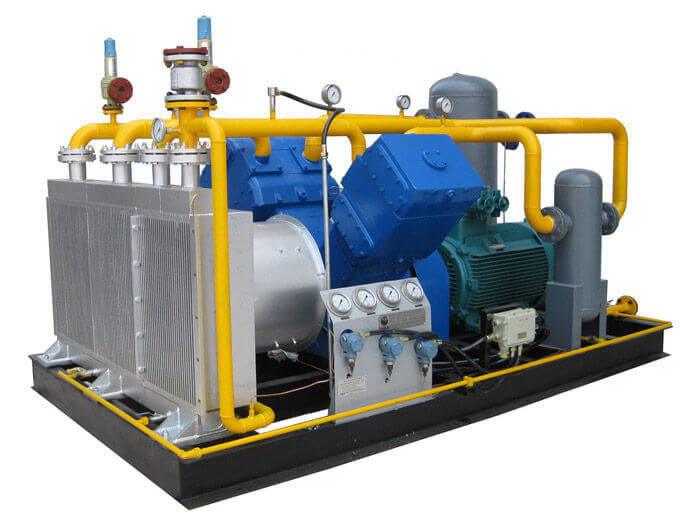
LPG gas compressors operate for a long time under high pressure and high temperature, so their safety and maintenance issues are the key to ensuring the stable operation of the equipment. Since liquefied petroleum gas is flammable and explosive, any improper operation or insufficient maintenance may cause serious accidents. Therefore, it is crucial to understand the safety requirements of LPG gas compressors and take appropriate maintenance measures.
5.1 Safe operation
The operators of LPG gas compressors must undergo professional training and be familiar with the operating procedures, troubleshooting methods and emergency handling procedures of the equipment. The following are some key safety operation points:
Prevent gas leakage: LPG is gaseous at room temperature and can only be converted into liquid under high pressure. Therefore, the sealing performance of the compressor is crucial. Before operation, all joints, valves, pipelines, etc. must be checked for leakage risks to ensure that there is no leakage.
Equipment pressure control: When the compressor is working, it must ensure that the gas pressure in the system is always kept within a safe range. Excessive pressure can cause equipment damage or even explosion. To this end, the LPG gas compressor is equipped with a pressure sensor and a safety valve. When the pressure is too high, the safety valve will automatically release gas to prevent danger.
Temperature monitoring: During operation, LPG gas compressors will generate higher temperatures, especially during the compression stage. Excessive temperatures may cause equipment overheating, lubrication system failure, and even fire. Therefore, it is necessary to regularly check whether the cooling system is working properly to prevent the compressor from overheating.
Fire and explosion prevention measures: Since LPG gas is highly flammable, fire and explosion prevention designs must be carried out in strict accordance with national and regional fire safety regulations in places where LPG gas compressors are used. Common explosion-proof measures include using explosion-proof motors, isolating electrical equipment, installing fire extinguishers, and setting up gas relief pipes.
5.2 Common faults and maintenance
Although the LPG gas compressor has been designed to improve safety as much as possible, some common faults may still occur during long-term operation. Timely detection and troubleshooting to ensure the continuous and stable operation of the equipment is an important part of equipment management that cannot be ignored. The following are some common faults and their solutions:
Gas leakage: If gas leakage is found during the inspection, the machine must be stopped immediately to check the leak point. The cause of the leak may be aging of the seal, loose pipes, or damaged valves. At this time, the operator needs to close the intake valve, stop the compressor, and make necessary repairs or replace parts.
Compressor overheating: If the compressor overheats, it is usually due to cooling system failure or poor lubrication. The operator needs to check whether the cooling system is normal, whether there are problems such as water pump failure and insufficient coolant, and repair or replace them. In addition, timely replacement of lubricating oil can also prevent overheating caused by poor lubrication.
Abnormal vibration: Abnormal vibration of the compressor during operation may be caused by loose parts, bearing wear or poor gas flow. At this time, the equipment needs to be shut down for inspection to ensure that all parts are tightened, and check whether the gas flow and gas quality meet the standards.
Decreased compression efficiency: If the compressor has a decrease in compression efficiency, it may be due to changes in gas composition, carbon deposition or accumulation of pollutants inside the compressor. The operator needs to clean the impurities in the equipment, check the quality of the gas, and ensure the cleanliness of the equipment working environment.
5.3 Equipment maintenance
Regular maintenance is the key to ensuring the long-term and stable operation of LPG gas compressors. Maintenance work usually includes lubrication, cleaning, inspection and replacement of wearing parts. The following are some of the main maintenance contents:
Lubrication system maintenance: The lubrication system of the LPG gas compressor is very important, which can ensure the smooth operation of all parts of the compressor. Operators need to regularly check the oil level and oil quality, and replace the lubricating oil according to the manufacturer’s recommended cycle. The oil filter and oil pump are also key components and must be cleaned or replaced regularly to ensure the effectiveness of the lubrication system.
Filter system cleaning: Since some impurities may be entrained in the LPG gas, the compressor’s filter system needs to be cleaned and the filter element replaced regularly. Especially after long-term high-load operation, the filter is prone to accumulate a large amount of impurities, affecting the gas flow and compressor efficiency. Cleaning the filter element and replacing a new filter are effective means to prevent equipment failure.
Check the pressure gauge and temperature sensor: The pressure gauge and temperature sensor are important safety monitoring equipment for the compressor. Regularly checking these instruments to ensure their accuracy and working stability can effectively prevent the risk of excessive pressure or excessive temperature.
Regularly check the safety valve and emergency stop device: The safety valve and emergency stop device are important safeguards to prevent accidents in the equipment. Operators need to regularly check whether these devices are normal and ensure that they can be quickly activated when needed.
Overall inspection of equipment: Every once in a while, the compressor must be fully inspected to check whether all important parts are worn, aged or damaged. In particular, check the status of important parts such as the compressor’s cylinder, piston, valve, etc. to avoid equipment failures caused by aging of parts.
5.4 Equipment replacement and update
With the increase of service life, the parts of the LPG gas compressor will gradually wear and the performance will gradually decline. For old equipment, it is recommended to replace or upgrade it regularly. Through upgrading, more efficient and environmentally friendly new technologies can be adopted to improve the efficiency of the overall system, reduce operating costs, and reduce the occurrence of failures.
Conclusion
LPG gas compressors are widely used in many industrial fields, and their technological progress and development have greatly promoted the popularization of LPG as a clean energy. By continuously improving the efficiency, safety and intelligence of compressors, LPG gas compressors will bring more efficient, safe and environmentally friendly energy solutions to more industries. With the further development of technology, the future prospects of LPG gas compressors will be broader, and they will become an indispensable key equipment in industrial production and energy management.
Request a Quick Quote Now

Shanghai Sollant Energy Saving Technology Co., Ltd.
Drawing on our years of experience and expertise in air separation and PSA technologies, we deliver customized solutions tailored to your specific needs.
