
Top 10 Factors to Consider When Buying a Gas Compressor
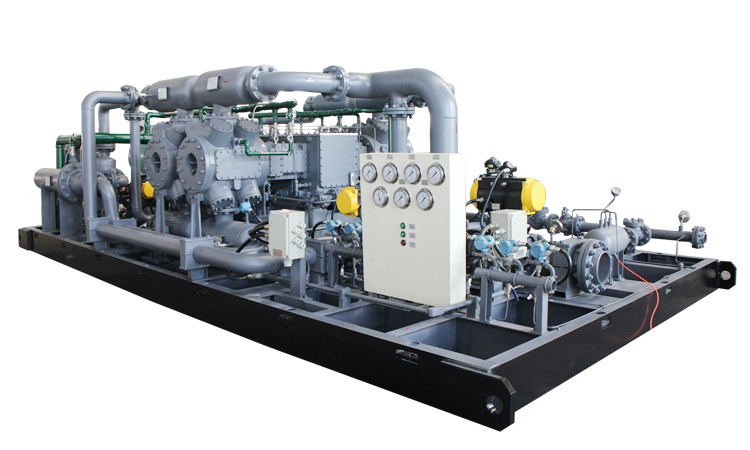
Gas compressors are indispensable equipment in many industrial applications, responsible for pressurizing gases to meet various process needs. However, choosing the right gas compressor is not easy and requires careful consideration of multiple factors. This article will detail the ten key factors to consider when purchasing a gas compressor, helping you make informed decisions and ensuring the performance, efficiency, and safety of the equipment.
Gas compressors play a crucial role in industries such as oil and gas, chemical, and power generation. Whether used for transportation, storage, or as a power source in production processes, an efficient and reliable compressor can significantly improve productivity and reduce operating costs. Therefore, comprehensive consideration and planning are key to success when investing in such important equipment.
Accurately Define the Gas Composition and Characteristics
Before choosing a gas compressor, the primary task is to accurately understand the composition and physical characteristics of the gas you will be compressing. Different types of gases (such as natural gas, hydrogen, nitrogen, oxygen, etc.) have different molecular weights, corrosiveness, flammability, temperature, and pressure limitations. These characteristics will directly affect the compressor’s material selection, seals, lubrication system, and safety protection measures. For example, compressing corrosive gases requires special corrosion-resistant materials; compressing flammable and explosive gases requires explosion-proof design and strict safety certification.

Select the appropriate gas compressor based on your flow rate and pressure requirements
Gas compressors come in various technological types, including:
Reciprocating compressors (piston type): Suitable for high-pressure, low-flow applications, with high compression ratios and efficiency.
Screw compressors: Suitable for medium flow rates and pressures, with smooth operation and relatively low maintenance costs.
Centrifugal compressors: Suitable for high-flow, low-pressure applications, with a compact structure and no oil contamination.
Axial compressors: Similar to centrifugal compressors, suitable for ultra-high flow applications.
You need to choose the most suitable compressor technology based on your actual flow rate (the amount of gas processed per unit time) and pressure (the outlet pressure of the compressed gas) requirements. Incorrect selection will not only lead to poor performance but also increase energy consumption and maintenance costs.
Calculate the Total Cost of Ownership, Not Just the Purchase Price
The purchase price is only a part of the cost of a gas compressor. When making decisions, it is crucial to consider the Total Cost of Ownership (TCO), which includes:
Purchase Cost:The purchase price of the equipment itself.
Installation Cost:The costs of equipment transportation, installation, and commissioning.
Operating Costs:Primarily including energy consumption (electricity or fuel), cooling water, lubricants, etc. Energy consumption is often the largest component of TCO.
Maintenance Costs:Costs for regular maintenance, replacement of wear parts, and repairs.
Downtime Losses:Losses due to production interruptions caused by equipment failure.
By calculating TCO, you can more comprehensively evaluate the economic benefits of different brands and models of compressors over their entire lifecycle.
Evaluate Installation Environment and Site Conditions
Installing a gas compressor requires considering various environmental and site factors:
Space Constraints:Do the compressor’s size and footprint fit within the existing space?
Ambient Temperature and Humidity:High temperature and humidity environments may require additional cooling systems or corrosion protection measures.
Noise and Vibration:Compressors generate noise and vibration during operation; the impact on the surrounding environment and personnel needs to be considered, and sound insulation or vibration damping measures may be necessary.
Power and Water Supply:Ensure sufficient power and cooling water supply.
Ventilation Conditions:Ensure good ventilation to dissipate the heat generated during operation.
Explosion-Proof Rating:When installing in hazardous locations, the relevant explosion-proof rating requirements must be met.
Prioritize Compliance, Safety Standards, and Required Certifications
As high-pressure equipment, the safety of gas compressors is paramount. You must ensure that the selected equipment complies with all relevant national and international safety standards, industry specifications, and local regulations. This may include:
Pressure Equipment Directive (PED)
Machinery Directive (MD)
ATEX Directive
ISO certifications (e.g., ISO 9001 quality management, ISO 14001 environmental management)
Local environmental and safety department requirements
Having the necessary certifications not only guarantees the safety of the equipment but also avoids potential legal issues in the future.
Sollant Gas Compressor | Diaphragm Compressor
Consider Operational Flexibility and Future Expansion Needs
When choosing a compressor, consider not only current operational needs but also anticipate future expansion possibilities.
Flow Rate Adjustment Range:Can the compressor operate efficiently at different loads? Variable frequency drive technology can provide a wider flow rate adjustment range and save energy.
Modular Design:If increased capacity is needed in the future, a modularly designed compressor can be more easily expanded. Redundancy Design: For critical applications, consider an N+1 redundant configuration to ensure that production is not affected in the event of a single equipment failure.
Advanced Monitoring and Intelligent Features Required
Modern gas compressors are typically equipped with advanced monitoring and control systems. Consider whether the following features are needed:
Remote monitoring: Real-time viewing of equipment operating status via the internet or mobile devices.
Fault diagnosis and early warning: The system can automatically identify potential faults and issue alerts in advance.
Data logging and analysis: Collect operating data to optimize performance and predict maintenance needs.
Automated control: Automatically adjust compressor operating parameters according to production needs.
These intelligent features can improve equipment reliability, reduce manual inspection costs, and extend equipment life.
Evaluate Manufacturer and Supplier Support Capabilities
Choosing a reputable manufacturer and supplier with a comprehensive after-sales service system is crucial. When evaluating their capabilities, consider:
Technical support: Can they provide professional selection consulting, installation guidance, and technical training?
Spare parts supply: Are spare parts readily available, and is the supply cycle reasonable?
Repair services: Are there experienced engineers to provide timely and professional repair services?
Warranty policy: Understand the equipment’s warranty period and scope.
A strong after-sales support team can significantly reduce downtime and repair costs in the event of equipment failure.
Compare Quotes and Conduct a Life Cycle Cost Analysis
After collecting quotes from multiple suppliers, don’t just look at the lowest price. Combine this with the total cost of ownership concept mentioned earlier and conduct a comprehensive life cycle cost analysis. This means considering all relevant costs (procurement, installation, operation, maintenance, and downtime losses) and amortizing them over the expected lifespan of the equipment. This will help you find the most cost-effective solution.
Develop a Proper Installation and Commissioning Plan
Even with the most suitable compressor, improper installation and commissioning can lead to performance problems or even failures. Therefore, a detailed installation and commissioning plan is needed:
Professional installation team: Ensure that installation is performed by experienced professionals.
Strict adherence to instructions: Follow the installation and operation manuals provided by the manufacturer.
System commissioning: Conduct comprehensive testing of the equipment to ensure all parameters meet design requirements.
Personnel training: Provide sufficient training to operating and maintenance personnel to familiarize them with equipment operation and routine maintenance.
-2.png)
Conclusion
Purchasing a gas compressor is a significant investment that requires careful consideration of various factors, including technical, economic, safety, and environmental aspects. By accurately defining gas characteristics, selecting appropriate technology, calculating total cost of ownership, evaluating site conditions, adhering to safety regulations, considering future expansion, utilizing smart features, choosing a reliable supplier, and developing a detailed installation and commissioning plan, you will be able to select the gas compressor best suited to your needs, thereby bringing long-term benefits and success to your business.
FAQ
Q1: Should I choose a reciprocating or screw compressor?
A1: This depends on your specific needs. Reciprocating compressors are more suitable for high-pressure, low-flow applications, while screw compressors excel at medium flow and pressure and operate more smoothly. Please refer to the section “Choosing the Right Compressor Technology Based on Your Flow and Pressure Requirements.”
Q2: How can I reduce the operating costs of a gas compressor?
A2: The key to reducing operating costs is energy efficiency. You can consider using high-efficiency motors, variable frequency drive technology, optimized control systems, and regular maintenance to ensure the equipment is operating at its best.
Q3: What are the special requirements for explosion-proof gas compressors?
A3: Explosion-proof gas compressors must comply with strict explosion protection directives (such as ATEX). Their design, materials, electrical components, and safety protection measures must all be explosion-proof to prevent accidents caused by flammable and explosive gases.
Q4: How often should a gas compressor be maintained?
A4: The maintenance cycle depends on the type of compressor, operating time, operating conditions, and the manufacturer’s recommendations. It is generally recommended to perform regular inspections and maintenance according to the maintenance manual provided by the manufacturer, including replacing lubricating oil, filters, and checking seals.
Q5: How should I choose a compressor if my needs may change in the future?
A5: If you anticipate that your needs may change in the future, it is recommended to choose a compressor with a certain degree of operational flexibility and expandability. For example, choose equipment with a wide flow adjustment range, or consider a modularly designed compressor for easy capacity expansion in the future.
Request a Quick Quote Now

Shanghai Sollant Energy Saving Technology Co., Ltd.
Drawing on our years of experience and expertise in air separation and PSA technologies, we deliver customized solutions tailored to your specific needs.
