
From procurement to maintenance: In-depth analysis of the life cycle management of natural gas compressors
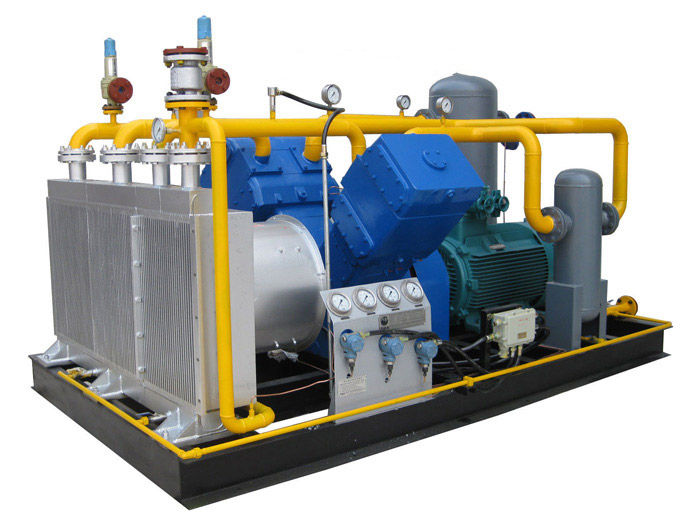
In the modern energy industry, natural gas plays a pivotal role. As a clean and efficient energy carrier, its production, transportation and application are inseparable from the core equipment – natural gas compressors. However, only advanced compressor equipment is far from enough to ensure the stability and economy of energy supply. The real challenge lies in how to manage these high-value assets in an all-round way, that is, from the initial procurement decision to the final equipment retirement, throughout every stage of the equipment life. This is the core meaning of “Life Cycle Management (LCM) of Natural Gas Compressors”.
Life cycle management is not only a concept, but also a set of systematic management strategies, which aims to maximize the comprehensive performance of equipment, reduce operating costs, extend equipment service life, and ensure the safety and sustainability of the production process by optimizing decisions and operations in each link. This article will explore the key stages of the life cycle management of natural gas compressors in depth, and propose best practices and strategies, in order to provide valuable reference for decision makers and engineers in related industries.
Overview of the life cycle of natural gas compressors
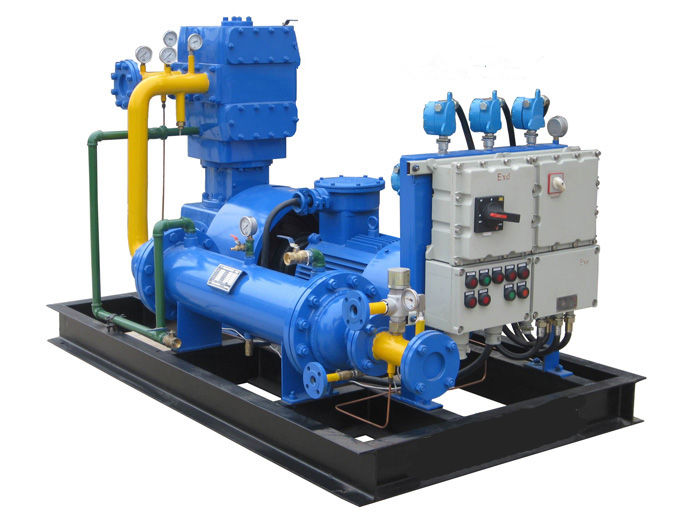
The life cycle of natural gas compressors is a dynamic and continuous process, which covers all stages of equipment from scratch, from commissioning to final retirement. Understanding this cycle is essential for effective management.
Planning and demand analysis: Before purchasing equipment, it is necessary to clarify the specific needs, budget constraints, technical requirements and future scalability of the project, which is the starting point of full life cycle management.
Procurement and selection: Based on demand analysis, select the compressor that best meets the technical, economic and reliability requirements of the project.
Installation and commissioning: Ensure that the equipment is correctly and safely installed and put into operation to achieve the designed performance indicators.
Operation and monitoring: Performance optimization, fault warning and diagnosis in daily operation of equipment.
Maintenance and care: Regular inspection, maintenance and repair to extend the life of the equipment and prevent unexpected downtime.
Technology upgrade and transformation: Optimize and upgrade the equipment according to technological development and operation needs.
Decommissioning and scrapping: Safe dismantling, scrapping and environmentally friendly recycling after the end of the equipment life.
Each stage is interrelated and affects each other. The decision-making of the previous stage will directly affect the cost and efficiency of the subsequent stage. Therefore, management from the perspective of the whole life cycle can avoid the short-term behavior of “treating the head for a headache and the foot for a foot pain” and achieve the global optimal.
Procurement stage: Select the right natural gas compressor
Procurement is the first key node in the life cycle management of natural gas compressors, and the quality of its decision directly affects the cost and efficiency of subsequent operations. To select a suitable compressor, it is necessary to comprehensively consider technical, economic, reliability and other factors.
Technical parameter matching: According to the precise requirements of the project for flow, pressure, power, and compression medium characteristics (such as sulfur content, water content, etc.), select the right type of compressor (such as reciprocating, centrifugal, screw, etc.), and ensure that its performance curve is highly matched with the working conditions.
Energy efficiency ratio and operating cost: Pay attention to the energy efficiency level of the equipment and choose equipment with low energy consumption, because energy consumption during operation will account for a large proportion of the total life cycle cost of the equipment. In addition, long-term operating costs such as spare parts price and maintenance convenience should also be considered.
Reliability and safety: Examine the supplier’s reputation, product quality control system, historical operation cases and safety certification. Highly reliable equipment can effectively reduce unplanned downtime, reduce maintenance frequency and accident risks.
Environmental adaptability: Consider factors such as climatic conditions, altitude, ambient temperature and other factors at the installation site to ensure that the equipment can operate stably under various working conditions.
Service and support: Evaluate the after-sales service, technical support, spare parts supply and personnel training provided by the supplier, which are important factors to ensure the long-term stable operation of the equipment.
During the procurement process, it is recommended to use the life cycle cost (LCC) analysis method instead of just focusing on the initial purchase price. LCC will take into account all relevant costs such as procurement cost, installation cost, operating cost (energy consumption, labor), maintenance cost, downtime loss cost, and decommissioning cost, so as to make a more scientific investment decision.
Installation and commissioning stage
Even if the best equipment is selected, improper installation and commissioning may result in its performance not being fully utilized or even cause failures. This is a critical stage that connects the previous and the next.
Professional installation team: Ensure that the installation is carried out by an experienced and qualified professional team, strictly following the manufacturer’s installation specifications and local safety regulations.
Infrastructure and pipeline connection: Check whether the equipment foundation is flat and solid, and meets the load-bearing and seismic requirements. Pipeline connections must ensure sealing, reduce the risk of leakage, and comply with the principles of fluid dynamics to reduce pressure drop.
Electrical and control system connection: accurately connect the power supply and control lines to ensure that the instruments, sensors, actuators, etc. work properly, and the control system can accurately receive signals and issue instructions.
Strict debugging process: perform various performance tests in accordance with the debugging manual, including no-load test, load test, safety protection interlock test, etc., gradually increase the load, and observe the equipment operation status.
Data recording and analysis: record various parameters during the debugging process in detail, such as vibration, temperature, pressure, current, etc., as baseline data for the future operation status of the equipment.
Personnel training: after the installation and debugging is completed, the operation and maintenance personnel are comprehensively trained to familiarize them with the equipment structure, operating procedures, troubleshooting and daily maintenance methods.
Full and meticulous installation and debugging are the cornerstones for the subsequent efficient and stable operation of the equipment.
Operation stage: optimize performance and reduce failure rate
The equipment operation stage is the main period for its value creation and the biggest test of its full life cycle management capabilities. The goal is to maximize operating efficiency while minimizing the failure rate.
Intelligent monitoring system: Deploy advanced SCADA (Supervisory Control and Data Acquisition) system, DCS (Distributed Control System) or PLC (Programmable Logic Controller) to monitor the operating parameters of the compressor in real time, including speed, pressure, temperature, flow, vibration, lubricating oil status, etc.
Big data analysis and fault prediction: Use historical operating data and artificial intelligence algorithms to establish a predictive maintenance model, identify potential equipment failure modes, and provide early warning to avoid sudden downtime.
Optimize operation strategy: Adjust operating parameters according to actual production needs and equipment performance curves, such as optimizing load distribution and start/stop strategies to minimize energy consumption.
Regular inspections and daily maintenance: Operators need to conduct daily inspections to check the appearance, noise, odor, etc. of the equipment, and promptly detect and handle abnormalities. Keep the equipment clean to ensure the normal operation of the cooling system.
Energy management: Pay attention to the leakage of compressed air and implement an effective leak detection and repair plan. Consider heat recovery, such as using the heat generated by the compressor for heating, etc., to further improve energy efficiency.
Through refined management and technical means, the OEE (overall equipment efficiency) of the equipment can be significantly improved, unplanned downtime can be reduced, and production continuity can be ensured.
Maintenance stage: regular maintenance and technology upgrade
Maintenance is the key link to extend the service life of natural gas compressors and maintain their high performance. It includes preventive maintenance, predictive maintenance and corrective maintenance.
Preventive maintenance (PM): Perform regular maintenance in strict accordance with the cycle and content recommended by the manufacturer. This includes replacing lubricating oil, filter element, checking belt tension, tightening bolts, cleaning parts, etc. PM can effectively prevent potential failures and prevent small problems from turning into major failures.
Predictive maintenance (PdM): Based on data analysis and condition monitoring in the operation stage, such as vibration analysis, oil analysis, infrared thermal imaging and other technologies, the wear trend of equipment components is predicted, so as to carry out targeted maintenance before the failure occurs. PdM can maximize the use of component life and reduce unnecessary downtime.
Corrective maintenance (CM): When the equipment fails, fault diagnosis and repair are carried out. CM is inevitable, but the frequency and severity of CM can be greatly reduced through the effective implementation of PM and PdM.
Spare parts management: Establish a complete spare parts inventory management system to ensure sufficient supply of key spare parts and shorten the time for fault repair. At the same time, perform quality control on spare parts to prevent the use of inferior spare parts.
Technology upgrade and transformation: With the advancement of technology, consider upgrading the technology of old compressors, such as replacing more efficient motors, improving control systems, optimizing internal structures, etc., to improve performance and meet new production requirements or environmental standards.
Effective maintenance strategies can significantly reduce the life cycle cost of equipment and improve asset return rate.
Decommissioning and scrapping stage: disposal and recycling of equipment
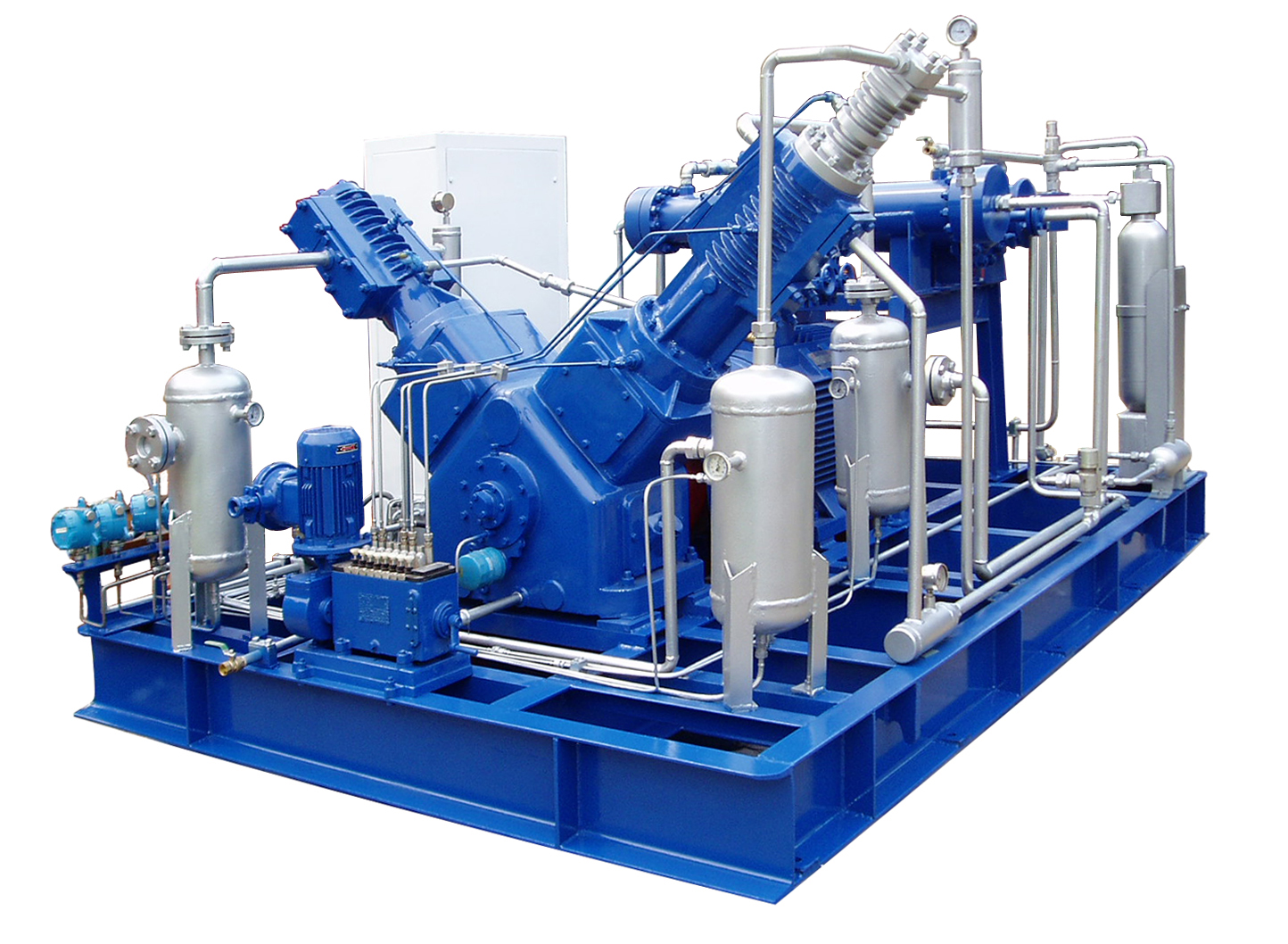
Equipment retirement is the end of its life cycle, but it is not the end of management. Proper decommissioning and scrapping not only involves compliance with environmental regulations, but also involves the reasonable disposal of assets and the recovery of potential value.
Develop a decommissioning plan: When the equipment life is about to end, formulate a detailed decommissioning plan in advance, including shutdown sequence, safety isolation, medium emptying, dismantling steps, personnel safety measures, etc.
Asset evaluation and disposal: Evaluate scrapped equipment to determine whether there is any residual value, such as some usable parts, recyclable metal materials, etc. According to the evaluation results, choose to sell, scrap, dismantle or donate.
Environmental compliance: Strictly abide by national and local environmental regulations, especially for equipment containing hazardous substances (such as lubricants, refrigerants, etc.), professional harmless treatment must be carried out to prevent environmental pollution.
Recycling and reuse: Actively explore ways to recycle waste equipment, recycle renewable resources, reduce resource waste, and reduce the impact on the environment. This is not only in line with the concept of sustainable development, but also may bring economic benefits.
Professional decommissioning and scrapping are the embodiment of corporate social responsibility and the closed loop of life cycle management.
Best practices and strategies for life cycle management
To successfully implement the life cycle management of natural gas compressors, a systematic approach and continuous improvement strategies are required.
Establish a professional team: Establish a multidisciplinary team composed of engineers, technicians, maintenance experts and managers to be responsible for the planning, implementation and supervision of life cycle management.
Perfect information system: Introduce CMMS (computerized maintenance management system) or EAM (enterprise asset management system) to integrate equipment information, operation data, maintenance records, spare parts inventory, etc., to achieve information sharing and visualization.
Standardized operating procedures (SOP): Develop detailed and standardized operation and maintenance SOPs to ensure that all operations comply with best practices and reduce human errors.
Continuous improvement (Kaizen): Regularly evaluate the effectiveness of the full life cycle management, identify weak links, and take measures to improve. For example, through failure analysis reports, revise maintenance plans.
Supplier partnership: Establish long-term and close cooperative relationships with equipment suppliers and professional service providers to obtain the latest technical support and spare parts supply.
Risk management: Identify and evaluate various risks related to equipment operation (technical risks, operational risks, environmental risks, etc.), and formulate corresponding risk response strategies.
Return on investment analysis: Regularly evaluate the returns brought by the full life cycle management investment (such as the purchase of advanced equipment, maintenance investment, training costs, etc.) (such as reduced energy consumption, reduced downtime, extended equipment life, and improved safety), and quantify its value.
Conclusion
The full life cycle management of natural gas compressors is an inevitable trend in the development of modern industrial equipment management and an important way to enhance the core competitiveness of enterprises. It requires us to jump out of the limitations of a single link and look at the entire life process of the equipment from a global perspective. From precise purchasing decisions, to professional installation and commissioning, to efficient operation optimization, meticulous maintenance, and finally responsible decommissioning, every link is a fusion of technology, management, and wisdom.
Through the systematic implementation of full life cycle management, enterprises can not only significantly reduce the total cost of ownership of natural gas compressors, improve the operating efficiency and reliability of equipment, but also ensure the continuous stability and safety of production, and ultimately achieve the harmonious unity of economic benefits, environmental benefits, and social benefits. Investing in full life cycle management is investing in the future of the enterprise, laying a solid foundation for the sustainable development of clean energy.
Request a Quick Quote Now
Shanghai Sollant Energy Saving Technology Co., Ltd.
Drawing on our years of experience and expertise in air separation and PSA technologies, we deliver customized solutions tailored to your specific needs.
