
How to improve the efficiency and safety of LPG compressors
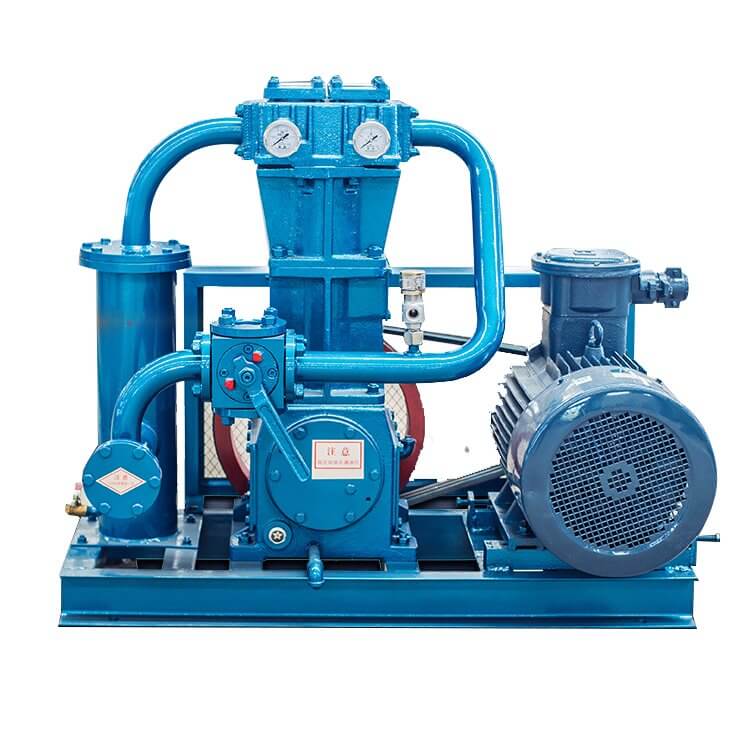
Liquefied petroleum gas (LPG), as a clean and efficient energy source, plays a vital role in the industrial, commercial and civil fields. From household gas to industrial fuel, from automobile fuel to chemical raw materials, the widespread application of LPG is inseparable from its core equipment-LPG compressors. LPG compressors are not only the key link in the storage, transportation and application of LPG, but also the “heart” to ensure the safe and efficient circulation of LPG.
However, the flammable and explosive characteristics of LPG determine that its compression process must be extremely rigorous. The operating efficiency of LPG compressors is directly related to the operating costs and energy consumption of enterprises, while its safety is even more important for personal and property safety and environmental protection. Therefore, in-depth discussion on how to comprehensively improve the efficiency and safety of LPG compressors has far-reaching significance for promoting the healthy and sustainable development of the LPG industry. Starting from the working principle, this article will gradually analyze the importance of efficiency improvement, and elaborate on the key methods and measures to improve the efficiency and safety of LPG compressors, in order to provide useful reference for relevant practitioners.
Working Principle of LPG Compressor
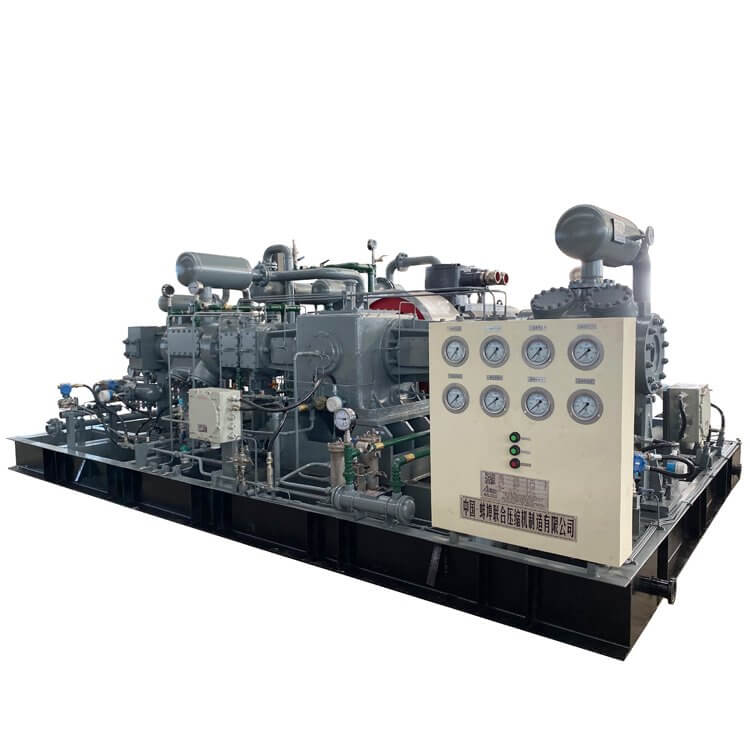
LPG compressor, as the name implies, is a device that uses mechanical energy to compress low-pressure LPG gas to a high-pressure state. Its core purpose is to reduce the volume of LPG by increasing its pressure, so as to facilitate storage, transportation and further utilization. Understanding its working principle is the basis for optimizing its performance and ensuring safety.
The working process of LPG compressor is usually a cyclic process, including three main stages of suction, compression and exhaust:
Suction stage: When the piston (or rotor, impeller) inside the compressor moves and forms a negative pressure in the cylinder (or compression chamber), the low-pressure LPG gas is sucked into the compression chamber through the intake valve (or intake port) under the action of the pressure difference.
Compression stage: With the reverse movement of the piston (or rotor, impeller), the volume of LPG gas in the compression chamber gradually decreases, and the pressure and temperature rise accordingly. In this process, mechanical energy is converted into the internal energy and pressure energy of the gas.
Exhaust stage: When the LPG gas in the compression chamber reaches the preset exhaust pressure, the exhaust valve (or exhaust port) opens, and the high-pressure LPG gas is discharged from the compressor and sent to the subsequent storage tank or pipeline system.
According to its working principle and structural characteristics, LPG compressors are mainly divided into the following types:
Reciprocating (piston) compressor: This is one of the most common types of LPG compressors. It completes the intake, compression and discharge of gas by the reciprocating motion of the piston in the cylinder. Its advantages are wide pressure range, strong adaptability and high efficiency, but its disadvantages are complex structure, large vibration and noise. The core components include cylinders, pistons, connecting rods, crankshafts, intake and exhaust valves, etc.
Screw compressor: The screw compressor achieves gas compression by rotating a pair of intermeshing yin and yang rotors at high speed in the casing. Its advantages are simple structure, small size, low vibration, low noise, smooth operation, high reliability, and oil-free compression (dry screw). It performs well in applications with large flow, medium and low pressure.
Centrifugal compressor: The centrifugal compressor generates centrifugal force through the high-speed rotating impeller, thereby increasing the speed and pressure of the gas. Subsequently, the gas enters the diffuser and converts kinetic energy into pressure energy. Centrifugal compressors are suitable for large flow and low pressure occasions. They have the characteristics of compact structure, smooth operation, and no friction and wear, but the efficiency is greatly affected by the gas flow.
Understanding these basic principles and the characteristics of different types will help us better select and optimize LPG compressors, thereby laying the foundation for subsequent efficiency and safety improvements.
The importance of improving the efficiency of LPG compressors
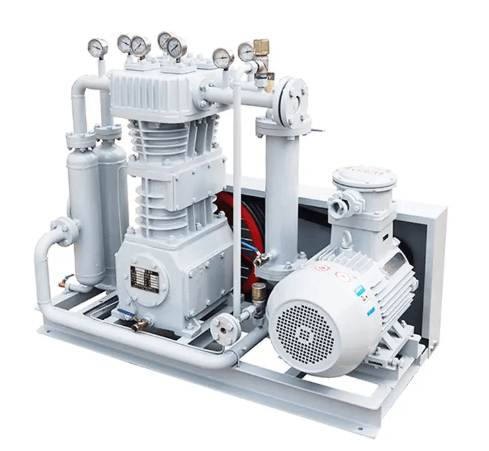
The operating efficiency of LPG compressors is not just a technical parameter. It directly affects the economic lifeline, energy strategy and environmental protection of enterprises. Improving its efficiency will bring significant benefits in many aspects:
Significantly reduce operating costs: Energy consumption accounts for the largest part of the operating cost of LPG compressors. An inefficient compressor means that more electricity or fuel is needed to complete the same amount of work. By improving efficiency, enterprises can significantly reduce energy expenses, which directly translates into considerable profit growth. In the current environment of energy price fluctuations, energy cost savings are crucial to the survival and development of enterprises.
Promoting energy conservation and sustainable development: With the increasing global attention to energy crisis and climate change, energy conservation has become a common challenge faced by all countries. The improvement of LPG compressor efficiency means that while meeting production needs, the overall energy consumption can be reduced, which not only responds to the national call for energy conservation and emission reduction, but also reflects the company’s practice of the concept of sustainable development.
Reduce carbon emissions and improve environmental quality: Most LPG compressors are powered by electricity, and electricity production is often accompanied by carbon emissions. Improving compressor efficiency directly reduces electricity consumption, thereby indirectly reducing greenhouse gas emissions and helping to alleviate global warming. In addition, compressors that operate efficiently usually have less noise and vibration, and have less impact on the surrounding environment, which helps to improve the working environment and community environment.
Extend equipment life and reduce maintenance costs: Efficient LPG compressors usually mean that their internal components operate under more optimized conditions, with less wear and heat generation. This helps to extend the service life of key components of the equipment (such as bearings, seals, valve plates, etc.), reduce failure rates, thereby reducing the frequency of equipment repairs and replacements, and saving a lot of maintenance costs and downtime losses.
Improve production capacity and market competitiveness: Under the same energy input, more efficient compressors can process more LPG, which means improving the production capacity of a single device. For enterprises that need to process LPG on a large scale, this means higher production capacity and stronger market competitiveness. In today’s increasingly competitive market, whoever has lower production costs and higher production efficiency will have an advantage in the market.
Optimize system operation stability: Efficient compressors are often accompanied by more stable operating characteristics, and they are more sensitive to fluctuations in LPG flow and pressure, and can better adapt to changes in system load, thereby ensuring the stability and reliability of the entire LPG supply system.
In summary, the improvement of LPG compressor efficiency is not only a technical optimization, but also a key strategy for enterprises to achieve multiple improvements in economic, environmental and social benefits.
Key methods to improve the efficiency of LPG compressors
Improving the efficiency of LPG compressors is a systematic project involving design, materials, control and maintenance.
Optimizing design and manufacturing processes
Pneumatic design optimization: The efficiency of the compressor is closely related to the flow resistance of the gas inside. Through computer fluid dynamics (CFD) simulation technology, the shape and size of key components such as cylinders, valves, intake and exhaust passages can be finely optimized to reduce vortex and pressure loss and improve the gas filling coefficient and discharge efficiency. For example, design a smoother valve channel, reduce valve resistance, and ensure that the gas enters and exits the compression chamber quickly and smoothly.
Thermodynamic optimization: During the compression process, the temperature of LPG will rise. Excessive temperature will not only reduce the compression efficiency (isothermal compression has the highest efficiency), but may also cause damage to the equipment materials. Therefore, it is crucial to optimize the cooling system. This includes designing more efficient coolers, improving the flow channels of the cooling medium, increasing the heat dissipation area, and even considering the use of graded compression and interstage cooling to get closer to the isothermal compression process, thereby improving efficiency.
Structural strength and lightweight design: On the premise of ensuring structural strength, lightweight design of moving parts can effectively reduce inertial force, reduce vibration, improve running stability, and indirectly reduce energy consumption. For example, high-strength lightweight materials are used to manufacture pistons and connecting rods.
Innovative materials and surface treatment technology
High-performance wear-resistant materials: Piston rings, valve plates, bearings and other parts are the areas with the most serious friction and wear inside the compressor. The use of high-performance wear-resistant materials such as carbon fiber composites, ceramics, and special alloys can significantly reduce the friction coefficient, reduce energy loss, and extend the life of components.
Low-friction coating technology: Applying low-friction coatings on the surface of moving parts, such as PTFE (polytetrafluoroethylene) coatings, DLC (diamond-like carbon) coatings, etc., can further reduce friction resistance, reduce heat generation, and improve mechanical efficiency.
Advanced sealing materials: LPG leakage not only causes resource waste, but also brings safety hazards. The use of new sealing materials that are resistant to LPG corrosion, high temperature resistance, and good resilience, and optimizing the sealing structure design, can effectively reduce gas leakage and improve volumetric efficiency.
Application of intelligent control system
Variable frequency speed regulation technology: This is one of the most effective means to improve compressor efficiency. Traditional compressors often adopt the control method of “full speed operation-unloading-stopping”, which is inefficient when running at low load. The inverter can accurately adjust the speed of the compressor motor according to the actual LPG demand, so that it always runs near the highest efficiency point, significantly reducing energy consumption.
Automation and remote monitoring: Introduce automation systems such as PLC (programmable logic controller) and DCS (distributed control system) to achieve real-time monitoring and automatic adjustment of compressor operating parameters (pressure, temperature, flow, vibration, etc.). Through remote monitoring, abnormal situations can be discovered and handled in a timely manner, reducing manual intervention and improving operating efficiency.
Big data analysis and fault diagnosis: Collect and analyze a large amount of data on the operation of the compressor, and use artificial intelligence and machine learning algorithms to evaluate the health status of the equipment, predict potential failures, and achieve predictive maintenance. This not only reduces unplanned downtime, but also optimizes maintenance strategies and improves overall operating efficiency.
Optimize control strategy: According to the changes in actual production load, automatically adjust the operating mode of the compressor (such as the start-stop strategy when multiple compressors are controlled together) to ensure that the system always operates in the optimal combination and avoid unnecessary energy consumption.
Optimize the lubrication system and cooling system
Accurately select lubricating oil: According to the characteristics of LPG, compressor type, operating temperature and pressure, etc., select special lubricating oil with good lubricity, cooling, chemical stability and anti-emulsification performance. The wrong lubricating oil not only reduces efficiency, but also accelerates equipment wear.
Optimize lubrication method: For different types of compressors, select and optimize lubrication methods, such as forced lubrication, splash lubrication, etc., to ensure that all moving parts are fully and not excessively lubricated.
Improve cooling system efficiency: Ensure that the quality and flow of the cooling medium (water or air) meet the requirements, clean the cooler regularly to prevent scaling and blockage from affecting the heat dissipation effect. For water-cooled systems, consider optimizing the efficiency of cooling towers or chillers.
Strengthen daily maintenance and care
Regular inspection and cleaning: Regularly conduct a comprehensive inspection of the LPG compressor, including checking the wear of valves, piston rings, and bearings, and checking the integrity of seals to ensure no leakage. Clean the filter, cooler, oil tank, etc. regularly to prevent impurities from accumulating and affecting operation.
Lubricating oil and filter element replacement: Strictly follow the manufacturer’s recommendations and regularly replace lubricating oil and air and oil filter elements. Clean lubricating oil and filter elements are the basis for ensuring efficient operation of the compressor.
Vibration and noise monitoring: Abnormal vibration and noise are often a precursor to equipment failure. Regular monitoring with professional vibration analyzers and sound level meters can detect problems early and avoid the expansion of failures.
Fastener inspection and calibration: Regularly check the tightness of all bolts, nuts and other fasteners to prevent component wear and efficiency loss caused by looseness. Calibrate key components to ensure operating accuracy.
Key measures to improve the safety of LPG compressors
The flammable and explosive characteristics of LPG make the safety of LPG compressors a top priority. Any negligence may lead to catastrophic consequences. Therefore, multi-level and comprehensive safety measures must be taken.
Strict explosion-proof design and material selection
Explosion-proof level and area division: According to the danger level of the working environment (for example, China’s national standard GB 50058-2014 “Design Specifications for Electrical Installations in Explosive Hazardous Environments”), select compressor equipment and electrical components that meet the corresponding explosion-proof level. LPG compressors are usually located in explosion-hazardous areas.
Explosion-proof electrical appliances and instruments: All motors, sensors, switches, control cabinets, lighting equipment, etc. used in explosion-hazardous areas must have corresponding explosion-proof certification, such as flameproof type, increased safety type, intrinsic safety type, etc. It is strictly forbidden to use equipment that does not meet explosion-proof requirements.
Anti-static measures: LPG is prone to generate static electricity during the flow process, and static sparks may cause explosions. Therefore, it is necessary to ensure that all metal parts such as equipment, pipelines, and storage tanks are well grounded, and the grounding resistance must be checked regularly. Operators should wear anti-static clothing and anti-static shoes.
Flame retardant and fire-resistant materials: flame retardant and fire-resistant materials are preferred for manufacturing equipment housing, cable insulation, seals, etc. to reduce the risk of fire spread.
Comprehensive and effective leak detection and treatment system
Combustible gas detectors: highly sensitive fixed combustible gas detectors are installed in key areas such as LPG compressor rooms, LPG storage areas, valve manifolds, etc., and sound and light alarm devices are set to achieve 24-hour uninterrupted monitoring. The detectors should be calibrated and tested regularly.
Emergency shut-off system (ESD): Once LPG leakage reaches a dangerous concentration, or an emergency such as a fire occurs, the emergency shut-off system should be activated immediately to automatically or manually close the LPG inlet and outlet valves to cut off the gas source and prevent the leakage from expanding.
Forced ventilation system: The compressor room should be equipped with an efficient forced ventilation system to ensure that LPG vapor can be quickly diluted and discharged once it leaks to avoid the formation of an explosive mixture. The ventilation system should be interlocked with the combustible gas detector and automatically started when an alarm is triggered.
Pressure relief and discharge device: To prevent excessive pressure in the equipment or pipeline, pressure relief devices such as safety valves and bursting discs should be installed. The discharged LPG should be led to a safe area for release or recovery to avoid direct discharge into the environment.
Perfect overpressure protection and temperature control
Pressure protection device:
Safety valve: Install safety valves that meet the specifications at key locations such as the outlet of the LPG compressor and the inlet of the storage tank. When the system pressure exceeds the set value, it will automatically open the pressure relief to prevent the equipment from overpressure damage. The safety valve should be calibrated regularly.
Pressure sensor and high-pressure alarm: Monitor the pressure of LPG in real time, and set high-pressure alarm and high-pressure shutdown interlock.
Temperature control and interlock:
Temperature sensor and high-temperature alarm: Install temperature sensors at key locations such as the cylinder, bearing, and exhaust port of the compressor to monitor the operating temperature in real time, and set high-temperature alarm and high-temperature shutdown interlock to prevent equipment overheating.
Cooling system fault interlock: Once the cooling system (such as cooling water pump failure, cooling fan stop) fails, the shutdown protection should be triggered immediately.
Sound electrical safety management
Reliable grounding protection: All electrical equipment and metal casings must be reliably grounded to prevent static electricity accumulation and leakage injuries. The grounding resistance should be tested regularly and meet the requirements of the specifications.
Overload and short-circuit protection: Motors, cables, etc. should be installed with complete overload and short-circuit protection devices, such as circuit breakers, fuses, etc., to prevent excessive current from causing equipment damage or fire.
Explosion-proof cables and lines: Cables and lines laid in explosion-hazardous areas must be explosion-proof and protected by steel pipes or armored cables to prevent external mechanical damage or internal sparks from detonating LPG.
Regular inspection of electrical equipment: Regularly check the aging and insulation damage of electrical lines, check the tightness of terminal blocks, and ensure the integrity and safety of the electrical system.
Strict operating procedures and emergency plans
Standardized operating procedures: Develop detailed, clear, and easy-to-understand LPG compressor operating procedures, covering all aspects such as startup, operation, shutdown, and emergency handling. All operators must strictly abide by the procedures.
Emergency plans and drills: Develop detailed emergency plans for emergencies such as LPG leaks, fires, explosions, etc., and clarify emergency response processes, personnel responsibilities, material reserves, and escape routes. Organize emergency drills regularly to improve employees’ emergency response capabilities.
Professional training and qualifications of personnel: All personnel engaged in the operation and maintenance of LPG compressors must receive professional safety training, understand the physical and chemical properties, hazards, safe operating procedures, and emergency response methods of LPG, and obtain the corresponding qualifications for employment.
Safety culture construction: Create a positive safety culture atmosphere within the enterprise, emphasize the concept of “safety first”, encourage employees to report safety hazards, and form a safety management system with full participation.
Conclusion
LPG compressors play an indispensable role in the LPG industry chain. Their efficiency and safety are key factors in determining the economic benefits, environmental responsibilities, and social image of enterprises. By deeply understanding the working principle of LPG compressors, and starting from multiple dimensions such as optimized design, innovative materials, intelligent control, enhanced maintenance, and strict safety management, we can systematically improve their operating efficiency while ensuring their safe and stable operation in extremely harsh environments.
Technology is constantly improving, and management is constantly improving. In the future, with the deep integration of new-generation information technologies such as the Internet of Things, big data, and artificial intelligence, LPG compressors will develop in a more intelligent, automated, and green direction, achieving predictive maintenance, remote diagnosis, and self-optimization, thereby further improving efficiency and reducing risks. We have reason to believe that through unremitting efforts and continuous investment, LPG compressors will better serve the LPG industry and provide human society with cleaner, more efficient, and safer energy solutions.
Request a Quick Quote Now

Shanghai Sollant Energy Saving Technology Co., Ltd.
Drawing on our years of experience and expertise in air separation and PSA technologies, we deliver customized solutions tailored to your specific needs.
