
How to improve the efficiency and performance of nitrogen compressors?
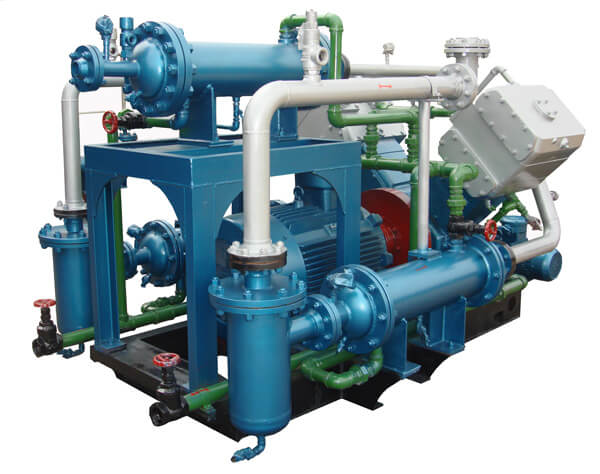
In modern industrial production, nitrogen, as an inert and widely used gas, is of self-evident importance. From chemical, electronics, food, medicine to metallurgy, machinery manufacturing, nitrogen plays a key role in anti-oxidation, inert protection, pneumatic transmission, pressure testing and many other links. The core equipment that provides stable and pure nitrogen for these key applications is the nitrogen compressor.
However, with the continuous rise in global energy costs and increasingly stringent environmental regulations, the operating efficiency and performance of nitrogen compressors are no longer just the goals pursued by equipment manufacturers, but also the key for end users to reduce operating costs and improve competitiveness. An inefficient nitrogen compressor may mean huge energy waste and unnecessary maintenance expenses; on the contrary, an efficient and stable nitrogen compressor can bring significant economic benefits and reliable production guarantees to enterprises.
1.The basic working principle of nitrogen compressors
A nitrogen compressor is a mechanical device used to compress nitrogen from a low pressure state to a high pressure state. It is widely used in the fields of industrial gas production, nitrogen storage and transportation. Its working principle is similar to that of other gas compressors. It compresses and transports the gas by reducing the volume of the gas and increasing its pressure.
(1). Basic structure
The main components of a nitrogen compressor include the compressor body, compression chamber, piston (or rotor), cylinder, intake valve and exhaust valve. The compressor sucks in nitrogen through mechanical drive and compresses it to a set pressure through a continuous compression process. Nitrogen compressors can be divided into two categories: positive displacement compressors and dynamic compressors. Positive displacement compressors use pistons or screws to increase the pressure of the gas, while dynamic compressors (such as centrifugal compressors) accelerate the gas through a rotating rotor and then increase the pressure through diffusion.
(2). Working process
The working process of a nitrogen compressor mainly includes three stages: suction, compression and exhaust. The following is a brief description of a piston compressor as an example:
Suction stage: Nitrogen enters the cylinder through the intake valve. When the piston starts to move downward, the pressure inside the cylinder decreases, and the nitrogen outside enters the compression chamber through the intake valve.
Compression phase: When the piston starts to move upward, the nitrogen inside the cylinder is compressed. As the piston rises, the volume inside the cylinder decreases, and the pressure and temperature of the nitrogen gradually increase. In this phase, the nitrogen undergoes a thermodynamic compression process, the volume of the gas decreases, and the frequency of collisions between molecules increases, resulting in an increase in gas pressure.
Exhaust phase: When the nitrogen is compressed to the set pressure value, the exhaust valve opens, and the compressed nitrogen is discharged from the cylinder and enters the pipeline system. At this time, the piston continues to move to prepare for the next compression cycle.
(3). Energy conversion
During the compression process, the internal energy of nitrogen increases, usually in the form of heat, so the nitrogen compressor will heat up. In order to avoid overheating of the compressor, many nitrogen compressors are equipped with a cooling system, usually through air cooling or water cooling to reduce the temperature of the compressor to ensure the normal operation of the equipment.
(4). Efficiency and performance
The efficiency of a nitrogen compressor usually depends on several factors, including heat loss, leakage loss, mechanical friction loss, etc. during the compression process. In order to improve the performance of the compressor, common measures include using efficient compressor components, optimizing the compression process, reducing gas leakage, and performing regular maintenance.
2.Key factors to improve the efficiency of nitrogen compressors
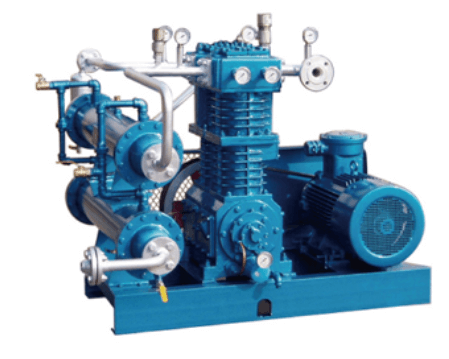
Nitrogen compressors play a vital role in industrial production, gas transportation, storage and distribution. In order to ensure that nitrogen compressors perform at their best in operation, it is crucial to improve their efficiency. Not only can it effectively reduce energy consumption, but it can also extend equipment life and reduce maintenance costs. Therefore, improving the efficiency of nitrogen compressors involves optimization in many aspects, from compressor selection, optimization of intake conditions, to reducing leakage, improving the performance of mechanical components, and reasonable compression ratio control. Next, we will discuss in detail several key factors for improving the efficiency of nitrogen compressors.
(1). Compressor selection and specification matching
The first step to improving the efficiency of nitrogen compressors is to select a suitable compressor. Different types of nitrogen compressors differ in working efficiency, adaptability and application conditions. Generally speaking, nitrogen compressors can be divided into two types: positive displacement compressors and dynamic compressors.
Positive displacement compressors: suitable for small equipment, usually gas compression by pistons, screws, etc. Its advantage is that it can adapt to the needs of different pressures and flows, and its disadvantage is that the efficiency is usually low and higher mechanical losses may occur during operation.
Dynamic compressors: For example, centrifugal compressors are usually used for high-flow, low-pressure nitrogen compression. This type of compressor is highly efficient and suitable for large-scale industrial gas production and transportation.
When selecting a compressor, it is necessary to consider the compressor’s pressure range, flow requirements, working environment, and space limitations for equipment installation. Selecting a compressor that matches the actual work needs can not only reduce energy consumption, but also avoid equipment overload or inefficient operation.
(2). Optimize intake conditions
Intake conditions have a direct impact on the efficiency of nitrogen compressors. Generally speaking, intake temperature and humidity are the two main influencing factors.
Intake temperature: Higher intake temperature will cause the gas to absorb more heat during the compression process, increase the workload of the compressor, and cause the compressor efficiency to decrease. In order to improve efficiency, pre-cooling technology can be adopted, that is, before the nitrogen enters the compressor, the gas temperature is reduced to a reasonable range through cooling equipment to reduce energy consumption during the compression process. In particular, in the high temperature environment in summer, the control of intake temperature is particularly important.
Intake humidity: Nitrogen with excessive humidity may cause gas condensation during the compression process, affecting the normal operation of the equipment and increasing the risk of equipment corrosion. By using drying equipment, such as a filter dryer or a freeze dryer, the moisture in the nitrogen can be effectively removed, ensuring that the compressor is not disturbed by humidity during operation, further improving its working efficiency.
(3). Reduce gas leakage and internal friction
The efficiency of the nitrogen compressor is greatly affected by leakage and internal friction.
Gas leakage: Any gas leakage in the compressor system will lead to energy waste and reduced efficiency. Leakage usually occurs at valves, pipe connections and sealing devices. In order to reduce leakage, first check the seals and connections regularly to ensure that the sealing of each component is good. In addition, the use of high-quality sealing materials and valves can also effectively reduce gas leakage.
Internal friction: Internal friction is one of the main sources of mechanical loss in the compressor, usually between components such as pistons, cylinders, bearings and valves. In order to reduce friction, it is usually necessary to use high-quality lubricating oil or grease, and keep the lubrication system clean and operating normally. In addition, regular replacement of wear parts such as piston rings and valve seats can also help reduce friction, thereby improving the efficiency of the nitrogen compressor.
(4). Reasonable control of compression ratio
Compression ratio refers to the ratio of the exhaust pressure of the compressor to the intake pressure, and is an important indicator for measuring the performance of the compressor. A compression ratio that is too high or too low will affect the efficiency of the nitrogen compressor.
Excessive compression ratio: Although a high compression ratio can increase the output pressure, an excessively high compression ratio will cause the gas temperature to be too high, increase energy consumption, and may even cause equipment overheating, increased wear, and shortened service life. Therefore, a reasonable compression ratio setting is crucial.
Excessive compression ratio: If the compression ratio is too low, the nitrogen cannot be fully compressed, resulting in insufficient nitrogen supply or inefficiency. Therefore, it is necessary to select a reasonable compression ratio according to actual application needs, which can not only meet the flow demand but also ensure efficient operation of the equipment.
(5). Application of efficient cooling system
During the nitrogen compression process, the compressor usually generates a lot of heat because the gas is compressed and the internal energy is converted into heat energy. If the temperature is not reduced in time, the excessively high temperature will cause the compressor efficiency to decrease and even cause equipment failure. Therefore, optimizing the cooling system is crucial to improving the efficiency of the nitrogen compressor.
Air cooling and water cooling: Common cooling methods for nitrogen compressors are air cooling and water cooling. Air cooling is usually suitable for small or medium-sized compressors, while water cooling is more suitable for large compressors. Especially under high load and long-term operation, water cooling can more effectively reduce the temperature. Choosing a suitable cooling system can not only ensure the stability of the equipment, but also avoid heat loss and further improve efficiency.
(6). Regular maintenance and servicing
In order to ensure the long-term and efficient operation of nitrogen compressors, regular maintenance and servicing are essential. Maintenance work includes but is not limited to:
Cleaning the filter system: Regularly clean the cylinder, cylinder head and filter system to ensure smooth gas flow and avoid efficiency loss caused by dust or impurities blocking the pipeline.
Check the lubrication system: Regularly check the quality and quantity of lubricating oil to keep the lubrication system smooth and reduce internal friction.
Replace worn parts: Timely replace severely worn parts, such as piston rings, valve seals, etc., to avoid efficiency loss due to excessive component wear.
(7). Automation and intelligent control
With the improvement of industrial automation level, the application of intelligent control systems in nitrogen compressors is gradually increasing. By introducing variable frequency drive (VFD) and real-time monitoring system, the operating parameters can be dynamically adjusted according to the operating status of the compressor to optimize the operating efficiency of the compressor. The intelligent control system can monitor key indicators such as gas flow, pressure, temperature, etc. in real time, and automatically adjust parameters to maintain the best working state.
3.Technical methods to improve the performance of nitrogen compressors
In response to the above key factors affecting efficiency, the industry has developed a series of advanced technologies and optimization strategies. These methods can be used alone or in combination to achieve the best energy saving and consumption reduction effect.
3.1 Use high-efficiency and energy-saving nitrogen compressors
Variable Speed Drive Technology (VSD – Variable Speed Drive)
Principle: Variable frequency technology changes the compressor exhaust volume by adjusting the motor speed so that its output flow accurately matches the actual gas consumption of the user. When the gas consumption decreases, the motor speed decreases and the energy consumption decreases accordingly; when the gas consumption increases, the speed increases to meet the demand.
Permanent Magnet Synchronous Motor (PMSM – Permanent Magnet Synchronous Motor)
Principle: The permanent magnet synchronous motor is used in conjunction with a frequency converter, which has higher motor efficiency (usually reaching IE4 or IE5 ultra-high efficiency standards) and can maintain high efficiency at low speeds. Its rotor is composed of permanent magnets, does not require excitation current, and reduces copper and iron losses.
Two-stage Compression Technology (Two-stage Compression)
Principle: Compared with traditional one-stage compression, two-stage compression compresses the gas twice. Intermediate cooling is performed after the first stage of compression to reduce the gas temperature before entering the second stage of compression.
Oil-free Compression Technology (Oil-free Compression)
Principle: Oil-free compressors (such as dry screw, vortex, centrifugal, and diaphragm) do not contact lubricating oil during the compression process, ensuring that the discharged nitrogen is pure and oil-free.
3.2 Optimize system control and operation management
Centralized Control & Multi-Compressor Control System (Centralized Control & Multi-Compressor Control)
Principle: Multiple nitrogen compressors are uniformly dispatched and managed through intelligent controllers. The system automatically starts and stops and adjusts the operating status of each compressor according to the actual gas consumption and the preset optimization strategy to ensure that the entire system operates at the highest efficiency point.
Optimize system pressure setting
Principle: Set the compressor exhaust pressure to the lowest value while meeting the minimum pressure required by the production process.
Peak Shaving & Valley Filling Strategy
Principle: Use the night or low electricity consumption period (when the electricity price is cheap) to fill the large-capacity gas tank through the compressor to store energy in the form of high-pressure nitrogen. During the peak electricity consumption period during the day (when the electricity price is expensive), the nitrogen in the gas tank is used first to reduce the compressor running time or reduce its load.
Remote Monitoring and Internet of Things (IoT) Technology
Principle: Through sensors, network communications and cloud platforms, the operating data of the nitrogen compressor (pressure, temperature, current, flow, energy consumption, etc.) is monitored in real time to achieve remote data collection, analysis, fault diagnosis and early warning.
4.How to choose a suitable nitrogen compressor to improve efficiency
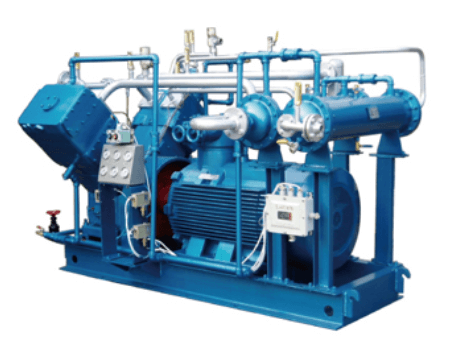
Choosing a suitable nitrogen compressor is the first and most critical step to improve its efficiency and performance. This requires a comprehensive assessment of the actual needs of the enterprise, the characteristics of the production process and future development.
4.1 Accurately assess gas demand
Peak flow and average flow: Detailed record and analysis of the nitrogen consumption of the factory at different times (shifts, production plans, holidays), including peak flow (highest instantaneous demand) and average flow. This determines the maximum exhaust volume of the compressor.
Required pressure: Determine the minimum stable pressure required for the production process. Do not blindly pursue high pressure, because every 0.1 MPa pressure increase will significantly increase energy consumption.
Nitrogen purity requirements: Depending on different application scenarios, nitrogen purity requirements range from 95% to 99.999%. This will affect the selection of nitrogen generators (such as PSA pressure swing adsorption or membrane separation), and in turn affect the requirements for compressor cleanliness (oil/oil-free) and pressure stability.
Gas consumption volatility: Is the gas consumption continuously stable or is there a large fluctuation? This is an important basis for deciding whether to use a variable frequency compressor.
Summary
Improving the efficiency and performance of nitrogen compressors is a systematic project involving equipment selection, operation management, daily maintenance and technology upgrades. It is not just the application of a single technology, but also a process of comprehensive optimization and refined management of the entire nitrogen supply system.
Accurately assessing gas demand from the source and selecting the most matching and efficient nitrogen compressor (such as variable frequency screw, permanent magnet synchronous motor drive, two-stage compression, oil-free technology, etc.) is the basis for achieving efficient operation.
During operation, optimizing the scheduling of multiple compressors through the intelligent group control system, reasonably setting the system pressure, implementing the peak-shaving and valley-filling strategy, and actively using the Internet of Things technology for remote monitoring and predictive maintenance can maximize the energy-saving potential.
At the same time, strictly implementing the preventive maintenance plan, regularly replacing consumables, keeping the cooling system clean, and persistently detecting and repairing pipeline leaks are the key to ensuring the long-term stable operation of the equipment and maintaining high efficiency. Recycling the waste heat generated by the compressor realizes the secondary use of energy and further reduces the overall energy consumption.
In the end, choosing an experienced, technically strong, and perfect after-sales service nitrogen compressor supplier will provide enterprises with solid technical guarantees and professional solutions.
Through the above multi-dimensional comprehensive optimization, enterprises can not only significantly reduce nitrogen production costs and improve economic benefits, but also improve production reliability and stability, and contribute to green manufacturing and sustainable development. In the increasingly fierce market competition, efficient and high-energy nitrogen compressor systems will become an important tool for enterprises to enhance their core competitiveness.
Request a Quick Quote Now

Shanghai Sollant Energy Saving Technology Co., Ltd.
Drawing on our years of experience and expertise in air separation and PSA technologies, we deliver customized solutions tailored to your specific needs.
