
How to improve CO2 compressor energy efficiency? 5 practical optimization tips
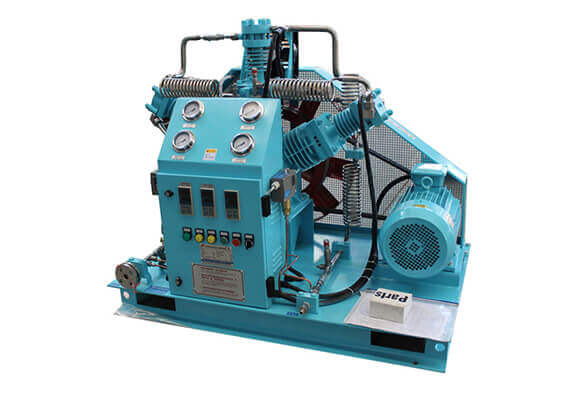
With rising global energy costs and increasingly stringent environmental regulations, energy efficiency in industrial production has become more critical than ever. Among many energy-consuming equipment, CO2 compressors play a key role in refrigeration, chemical processing, food processing, carbon capture and utilization, and other fields. Their energy efficiency directly impacts a company’s operating costs and environmental footprint. An efficiently operating CO2 compressor not only significantly reduces energy consumption and saves significant operating expenses, but also reduces carbon emissions, enhancing a company’s market competitiveness and sustainability.
However, many CO2 compressor systems still suffer from low energy efficiency and high operating costs. This isn’t a technical challenge, but rather a lack of systematic optimization strategies and ongoing management. This article will delve into five practical optimization tips for improving CO2 compressor energy efficiency. From routine maintenance to intelligent control, we’ll provide you with a comprehensive and actionable solution to help you achieve green and efficient industrial production.
The Necessity of CO2 Compressor Energy Efficiency Optimization

Optimizing CO2 compressor energy efficiency is no longer just a nice-to-have; it’s an urgent need. Its necessity is reflected in the following aspects:
Addressing high energy costs: CO2 compressors are typical power hogs, with energy consumption accounting for a significant proportion of their operating costs. With global energy prices fluctuating, even small improvements in energy efficiency can bring significant economic benefits to companies, reducing overall production costs and enhancing risk resilience.
Fulfilling environmental responsibilities and addressing climate change: Carbon emissions are a global concern, with governments and international organizations promoting the reduction of greenhouse gas emissions. Improving the energy efficiency of CO2 compressors means reducing electricity consumption, thereby reducing carbon emissions from thermal power generation. This not only helps companies comply with increasingly stringent environmental regulations, but also fosters a positive corporate image and supports global sustainable development initiatives.
Improving equipment lifespan and operational reliability: Inefficient compressors often result in higher operating temperatures, greater mechanical wear, and more frequent failures. Optimizing energy efficiency can effectively reduce equipment operating loads, minimize component wear, extend equipment life, and reduce costs associated with maintenance and downtime.
Enhancing market competitiveness: Amid increasingly fierce competition in the industry, cost control has become crucial for business survival and development. Having a high-efficiency CO2 compressor system means lower production costs, giving companies an advantage in price competition and increasing product profit margins.
Optimization Tip 1: Regular Maintenance and Cleaning
Regular maintenance and cleaning are the cornerstones of ensuring the long-term and efficient operation of a CO2 compressor. Neglecting this step can hinder the performance of even the most advanced equipment.
Meticulous management of the lubrication system: Lubricant is the lifeblood of the compressor. Regularly checking the quality and viscosity of the lubricant, and replacing the lubricant and oil filter according to the manufacturer’s recommendations, is crucial for reducing mechanical friction and energy consumption. Poor-quality or contaminated lubricant can lead to increased wear on components such as bearings and cylinders, increasing energy consumption and potentially leading to premature equipment failure. Especially in CO2-related operating conditions, the lubricant’s compatibility with CO2 and its solvent resistance must be carefully considered. Selecting a specialized synthetic lubricant can significantly improve system stability.
Rigorous inspection and replacement of seals: CO2 is a leak-prone medium. Aging, wear, or damage to seals on shaft seals, valves, and flange connections can lead to CO2 leakage, resulting not only in medium loss but also in reduced compressor intake and compression efficiency, directly increasing energy consumption. Regular leak detection (e.g., using a leak detector or soapy water) and timely replacement of damaged seals are key to maintaining efficient system operation.
Precise valve commissioning and maintenance: The proper opening and closing of the suction and discharge valves significantly impacts the compressor’s volumetric efficiency. Valve wear, spring failure, or carbon deposits can cause valves to not close tightly, leading to gas backflow, reducing compression efficiency and increasing wasted work. Regularly inspect the valve’s operating condition, clean the valve disc and seat, and grind or replace them as necessary to ensure proper sealing and rapid response.
Thorough cleaning of heat exchangers (condensers and evaporators): Over time, dust, oil, scale, and other contaminants accumulate on the heat exchange surfaces of the condenser and evaporator, forming a layer of “thermal resistance” that significantly reduces heat exchange efficiency. This forces the compressor to run longer to achieve the desired cooling or heating effect, consuming more energy. Regularly using high-pressure water flushing, chemical cleaning, or professional scrubbing to remove dirt from the heat exchanger and restore its original heat transfer capacity is a direct way to reduce compressor load and improve energy efficiency.
Regular filter replacement and cleaning: Air filters, oil filters, and refrigerant filters play a vital role in the system, preventing impurities from entering the compressor and protecting delicate components. However, these filters can become clogged over time, increasing resistance to air or oil flow, leading to a drop in compressor suction pressure and abnormal oil pressure, which in turn affects energy efficiency. Regular inspection, cleaning, or replacement of various filters should be performed based on operating time and pressure differential changes.
Optimization Technique 2: Improving Compressor Efficiency

In addition to routine maintenance, improving compressor efficiency through operational strategies and equipment selection is a key component in achieving energy efficiency optimization.
Application of Variable Frequency Drive (VFD) Technology: Traditional CO2 compressors often use load/unload control. This means that when system demand decreases, the compressor enters no-load operation or is frequently started and stopped, resulting in significant wasted energy consumption. Variable frequency drive technology allows compressors to precisely adjust motor speed based on actual load requirements. Under partial load conditions, reducing speed can significantly reduce energy consumption, achieving “on-demand supply” and eliminating no-load energy consumption and energy losses caused by frequent starts and stops. It is currently recognized as one of the most effective means of improving energy efficiency. However, for systems with large load fluctuations, the return on investment for variable frequency drives is often short.
Optimizing compression ratio and interstage pressure: The compression ratio is a key parameter affecting compressor energy consumption. In theory, the lower the compression ratio, the less compression work. For multi-stage compressors, properly allocating compression ratios across each stage to optimize both volumetric efficiency and energy efficiency can minimize overall energy consumption. Furthermore, optimizing system piping design to reduce unnecessary pressure losses or using pre-cooling or intercooling to lower suction temperature can effectively reduce the compression ratio and, therefore, compression work.
Selecting a high-efficiency compressor type and model: There are many types of CO2 compressors on the market, including piston, screw, and centrifugal types. Different types of compressors have different energy efficiency characteristics under different operating conditions. For example, screw compressors generally exhibit better energy efficiency at partial load, while reciprocating compressors may be more advantageous under high-pressure ratios and low-flow conditions. When initially selecting equipment, choose the compressor model with the best energy efficiency rating based on actual operating conditions (such as flow, pressure, and operating time). Also, consider new high-efficiency technologies, such as compressors with economizers, which can further improve energy efficiency through intermediate air injection.
Reducing system resistance: Pressure loss in any system increases the load on the compressor. This includes selecting pipes with appropriate diameters to avoid excessive flow rates, reducing the number of elbows and valves, selecting low-resistance valves, and regularly cleaning pipe walls to remove scale. Reduced system resistance means the compressor does not have to overcome increased backpressure, thereby reducing energy consumption.
Optimization Tip 3: Optimizing the Cooling System
The cooling system is an essential component for the efficient operation of a CO2 compressor. Its efficiency directly affects the compressor’s discharge temperature and condensing pressure, which in turn affects energy consumption.
Ensure an adequate and clean supply of cooling medium: Whether using air or water cooling, the flow rate and temperature of the cooling medium are crucial. Insufficient cooling water or air, or excessively high temperatures, can increase condensing pressure, requiring the compressor to produce more work to maintain operation. Regularly check the operating condition of cooling system components, including the cooling tower, cooling water pump, and fan, to ensure proper operation. For water-cooled systems, also pay attention to water quality management to prevent scale and algae growth, which can clog pipes and affect heat exchange efficiency.
Efficient condenser operation: The condenser is a key component in the CO2 compressor system, cooling and condensing high-temperature, high-pressure CO2 gas. In addition to the cleaning and maintenance mentioned above, attention should also be paid to condenser selection and layout. Choose a condenser with sufficient heat exchange area and high heat exchange efficiency. For air-cooled condensers, ensure good ventilation to avoid thermal short circuits. For water-cooled condensers, ensure the cooling water inlet and outlet temperature difference and flow rate are within the optimal range. Any factor that increases condensing pressure will directly increase compressor power consumption.
Cooling tower maintenance and optimization: If a cooling tower is used to cool cooling water, its performance directly affects condensation efficiency. Regularly clean the cooling tower’s packing, nozzles, and reservoir to prevent clogging and bacterial growth. Ensure proper operation of fans and pumps. Consider installing a variable frequency drive (VFD) to optimize cooling tower fan or pump operation for maximum energy efficiency.
Utilize natural cooling sources: In areas where climatic conditions permit (such as winter or cold regions), consider using natural cooling sources (such as ambient air or groundwater) for pre-cooling or direct cooling to reduce or even replace mechanical refrigeration, significantly reducing energy consumption.
Optimization Tip 4: Utilize a Heat Recovery System
CO2 compressors generate a significant amount of waste heat during operation. Directly discharging this waste heat into the environment not only wastes energy but also increases the environmental heat load. Utilizing a heat recovery system is an excellent way to improve the overall energy efficiency of the CO2 compressor system.
Waste Heat Sources: The primary waste heat from a CO2 compressor comes from the increase in CO2 gas temperature during compression and frictional heat from the motor and bearings. The high-temperature CO2 gas at the exhaust port, in particular, has a high heat quality and high recovery value. Applications of Heat Recovery:
Hot water supply: High-temperature CO2 exhaust from the compressor is passed through a heat recovery unit to heat domestic hot water or process water. This can be used for employee hot water, cleaning water, and preheating boiler feed water, significantly saving gas or electricity costs.
Space heating: In winter, the recovered heat can be used to heat factories, offices, and other spaces, replacing traditional boilers or electric heating equipment.
Process heating: In some industrial processes, liquids or gases need to be preheated. Recovered waste heat can be used as an auxiliary heat source to reduce the load on the primary heating equipment.
Steam generation: For CO2 compressors with high-temperature exhaust, dedicated waste heat boilers can even be used to generate low-pressure steam for industrial production or power generation.
System integration and benefit evaluation: Implementing a heat recovery system requires careful design and integration based on specific application requirements and waste heat capacity. While initial investment may be required, the energy savings make heat recovery systems typically have a short payback period and significantly improve a company’s energy efficiency, achieving a win-win situation for both economic and environmental benefits.
Optimization Technique 5: Intelligent Monitoring and Automated Control
In today’s Industry 4.0 era, intelligent monitoring and automated control are the ultimate means of optimizing CO2 compressor energy efficiency.
Real-time Data Collection and Analysis: Deploy sensors and data acquisition systems to monitor various CO2 compressor operating parameters in real time, such as suction pressure, discharge pressure, suction temperature, discharge temperature, motor current, voltage, vibration, and oil temperature. Transmitting this data to a central control system or cloud platform for storage and analysis provides managers with a comprehensive understanding of equipment operating conditions.
Fault Early Warning and Diagnosis: Establish a fault early warning mechanism based on historical data and operational models. When monitored parameters fluctuate abnormally, the system issues a prompt alert, prompting operators to conduct inspections, thereby avoiding potential equipment failures and reducing unplanned downtime. Advanced systems can even use artificial intelligence algorithms to perform preliminary fault diagnosis and provide repair recommendations.
Predictive Maintenance: Leverage big data analysis and machine learning to predict the wear trends and remaining life of key equipment components. This enables companies to shift from traditional scheduled maintenance (which can result in over- or under-maintenance) to on-demand maintenance, replacing components before they fail, maximizing component lifespan and reducing maintenance costs and downtime.
Automated Control and Optimization: Based on real-time data, the automated control system automatically adjusts compressor operating strategies according to pre-set logic and optimization algorithms. For example, it automatically adjusts inverter frequency based on system load fluctuations, automatically adjusts cooling system air or water volume based on condensing pressure, and intelligently schedules the start and stop of multiple compressors and load distribution based on production needs, consistently maintaining system operation at optimal energy efficiency.
Remote Monitoring and Management: Leveraging IoT technology, remote monitoring and management of the CO2 compressor system is achieved. Technicians can view equipment status, receive alerts, and adjust parameters anytime, anywhere via a computer or mobile device, significantly improving management convenience and responsiveness.
Energy Efficiency Management Platform: A professional energy efficiency management platform integrates CO2 compressor system energy consumption data with that of other production equipment to create an enterprise-wide energy consumption overview. Energy consumption reports, trend analysis, and energy efficiency indicator comparisons help management identify energy consumption blind spots and develop more effective energy-saving strategies.
Conclusion
Improving CO2 compressor energy efficiency isn’t a one-off process; it’s a systematic, ongoing endeavor. It requires comprehensive consideration and investment across multiple dimensions, from equipment selection and routine maintenance to operational strategy optimization, waste heat recovery, and the introduction of intelligent control.
By implementing the five practical optimization techniques outlined in this article—regular maintenance and cleaning, improving compressor efficiency, optimizing cooling systems, utilizing heat recovery systems, and intelligent monitoring and automated control—companies can not only significantly reduce energy consumption and operating costs, but also effectively reduce carbon emissions and enhance equipment reliability and lifespan. This not only directly contributes to a company’s economic profitability but also represents a crucial step toward green manufacturing and sustainable development. Investing in CO2 compressor energy efficiency optimization is an investment in the company’s future, laying a solid foundation for achieving both economic and environmental benefits.
Request a Quick Quote Now

Shanghai Sollant Energy Saving Technology Co., Ltd.
Drawing on our years of experience and expertise in air separation and PSA technologies, we deliver customized solutions tailored to your specific needs.
