
How hydrogen compressor technology helps the development of hydrogen fuel cells
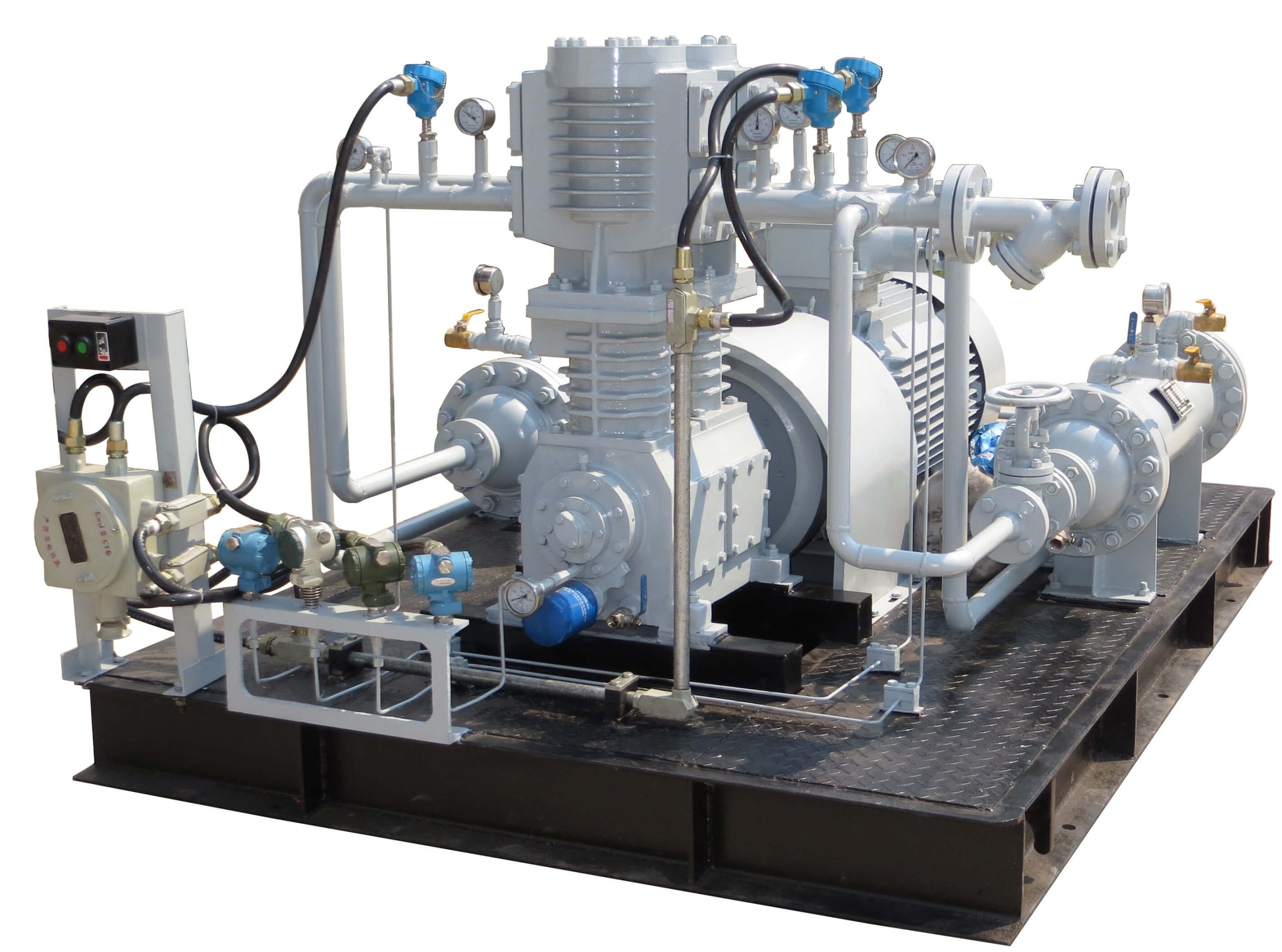
With the transformation of the global energy structure, clean energy has gradually become a strategic focus for governments and enterprises. Hydrogen energy, as a sustainable and low-carbon energy carrier, has received widespread attention in recent years, especially in the fields of transportation and industrial energy. Hydrogen fuel cells (FC), as an important form of hydrogen energy application, have the advantages of zero emissions and high efficiency, and have been widely developed and applied worldwide. As the core equipment in the hydrogen supply chain, hydrogen compressors directly affect the efficiency and performance of hydrogen fuel cell systems. This article will explore how hydrogen compressor technology helps the development of hydrogen fuel cells, and deeply analyze its working principle, technological progress, application impact and future development trends.
As a clean energy, hydrogen is considered to be an ideal choice to replace traditional fossil energy because its combustion product is only water vapor. There are many ways to use hydrogen energy, among which hydrogen fuel cells have become one of the important technologies in the hydrogen energy industry due to their high efficiency and environmental protection.
Hydrogen fuel cells generate electricity by combining hydrogen and oxygen to produce chemical reactions. There is no pollutant emission in the whole process, which is a highly clean form of energy. With the global attention to low carbon emissions and green energy, hydrogen fuel cells have been widely used in transportation (such as hydrogen fuel cell vehicles), stationary energy systems (such as hydrogen power generation), and industrial applications (such as hydrogen welding).
However, the storage and transportation of hydrogen is a major problem in the application of hydrogen energy. Hydrogen usually needs to be stored under high pressure to meet the energy requirements of hydrogen fuel cells. At this time, hydrogen compressors, as key technologies, undertake the task of compressing hydrogen to a high pressure state, which is crucial to ensure the stable operation of hydrogen fuel cell systems.
1.Basic knowledge of hydrogen compressors
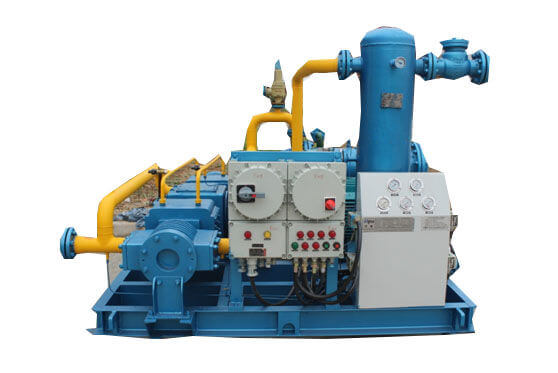
(1) What is a hydrogen compressor?
A hydrogen compressor is a device that compresses hydrogen from a low pressure state to a high pressure state. It is a vital link in the hydrogen energy industry chain, especially in the storage and transportation of hydrogen. Hydrogen compressors not only play a core role in providing high-pressure gas supply for hydrogen fuel cells, but also have an impact on energy efficiency, equipment safety, and the purity of hydrogen. Efficient hydrogen compressors can provide support for the healthy development of the hydrogen energy industry.
The function of a hydrogen compressor is to compress hydrogen to a high pressure through mechanical devices so that hydrogen can be stored and transported in a compact form. High-pressure hydrogen can be used in hydrogen fuel cell-driven equipment such as automobiles, ships, and aircraft, or for industrial purposes such as energy storage and power generation. Hydrogen compressors are usually classified according to parameters such as compression method, working principle, and gas type.
(2) Working principle of hydrogen compressors
The working principle of hydrogen compressors is similar to that of other gas compressors, but the design and application of compressors are special because hydrogen has unique physical properties. Hydrogen molecules are very small and easy to leak, and heat accumulation is easy to occur under high pressure. Therefore, the design of hydrogen compressors needs to pay special attention to safety, energy efficiency, and stability.
Intake stage: In this stage, hydrogen enters the compression chamber or cylinder of the compressor through the intake port. Hydrogen is usually in a low-pressure state, and the pressure is generally normal pressure or slightly higher. The compressor will inhale a certain amount of hydrogen through the intake valve.
Compression stage: Hydrogen is compressed through the action of mechanical components such as pistons, screws, or rotors. At this time, the volume of hydrogen will be reduced and the pressure will gradually increase. Since hydrogen molecules are small, high temperatures are easily generated during the compression process. Therefore, hydrogen compressors are usually equipped with cooling systems to maintain the stability of the equipment.
Exhaust stage: The compressed hydrogen is discharged and flows through the exhaust valve to the storage device or directly supplied to the hydrogen fuel cell system. At this time, the pressure of the hydrogen is greatly increased, usually between 200 and 700 bar.
Energy consumption and efficiency: The energy efficiency of a hydrogen compressor is an important indicator to measure its economy and environmental protection. Compressing hydrogen requires a lot of energy. Therefore, the energy efficiency of the compressor directly affects the cost of hydrogen production and transportation. In order to improve energy efficiency, modern hydrogen compressors use multi-stage compression technology to divide the compression process into multiple stages to avoid energy loss caused by a single compression stage.
(3) Classification of hydrogen compressors
Hydrogen compressors can be divided into several types according to their working principles, structural forms and application requirements. The following are several common types of hydrogen compressors:
Reciprocating hydrogen compressors
Reciprocating hydrogen compressors use the reciprocating motion of the piston in the cylinder to compress. This type of compressor is usually used in situations where high-pressure hydrogen supply is required, such as hydrogen refueling stations and hydrogen storage stations. The advantages of reciprocating compressors are their simple structure and high reliability, but they are noisy and require more complex maintenance.
Screw hydrogen compressors
Screw hydrogen compressors compress hydrogen through two intermeshing screws. This type of compressor is usually used for large-flow, low-pressure to medium-pressure hydrogen compression, and is suitable for industrial production and transmission of hydrogen. Screw compressors have high working efficiency, stable operation, and easy maintenance.
Centrifugal hydrogen compressors
Centrifugal hydrogen compressors use rotating impellers to accelerate hydrogen and convert it into pressure. It is usually used in high-flow, large-scale compression occasions of hydrogen, such as hydrogen pipeline systems. Centrifugal compressors have more advantages when handling large amounts of hydrogen, but they have lower requirements for compression ratio.
Oil-free compressors
Because hydrogen is very easy to be contaminated during the compression process, some high-precision application scenarios (such as hydrogen fuel cells) use oil-free compressors. Oil-free compressors can avoid the mixing of hydrogen and lubricating oil, ensure the purity of hydrogen, and improve the safety and stability of the system.
(4) Main applications of hydrogen compressors
Hydrogen compressors are widely used in various links of the hydrogen energy industry, especially in hydrogen storage, transportation and supply. The following are several major application areas of hydrogen compressors:
Hydrogen refueling stations
Hydrogen refueling stations are important refueling points for hydrogen fuel cell vehicles. Hydrogen compressors play a core role in hydrogen refueling stations, compressing hydrogen to a suitable pressure (usually 700 bar) to provide high-pressure hydrogen for hydrogen fuel cell vehicles.
Hydrogen storage
Hydrogen storage is a key link in the hydrogen energy industry. Hydrogen is usually stored in liquid or high-pressure gas form. Hydrogen compressors are responsible for compressing hydrogen into high-pressure storage tanks during this process.
Industrial hydrogen supply
Hydrogen is widely used in industrial fields such as chemical, metallurgical, and electronic manufacturing. Hydrogen compressors provide these industries with a stable supply of hydrogen to support their various needs in the production process.
2.How hydrogen compressors support hydrogen fuel cell systems
Provide high-pressure hydrogen supply
The core of hydrogen fuel cells is to react hydrogen with oxygen to generate electricity, and the supply method of hydrogen directly affects the output power and efficiency of the battery. The use of hydrogen in fuel cells requires high pressure to ensure sufficient gas flow and energy density, so hydrogen must be effectively compressed and stored. Hydrogen compressors provide a stable supply of hydrogen required for hydrogen fuel cells by compressing hydrogen to the required high pressure, ensuring that the battery can continue to operate efficiently.
Improve hydrogen storage and transportation efficiency
In hydrogen energy applications, the storage and transportation of hydrogen is a big challenge. Hydrogen has a small molecular volume and is easy to leak. It is also large in volume at normal temperature and pressure, and has high storage costs. Hydrogen compressors can compress hydrogen into high-pressure containers, thereby greatly reducing the storage volume and improving transportation efficiency. Under high pressure, the storage density of hydrogen is greatly increased, making it easier to transport it to the location where hydrogen fuel cells are used through pipelines or liquid hydrogen tankers.
Stable gas supply
Hydrogen compressors must not only ensure the high-pressure supply of hydrogen, but also ensure the stability of the gas flow. In hydrogen fuel cell systems, the stability of hydrogen supply directly affects battery performance. Hydrogen compressors use high-precision control systems that can accurately adjust gas flow and pressure to ensure a continuous and stable supply of hydrogen, and will not cause the efficiency of fuel cells to decrease due to pressure fluctuations.
3.Technological progress of hydrogen compressors and the coordinated development of hydrogen fuel cells
(1) High-efficiency compression technology
With the continuous investment in the hydrogen industry, the technological development of hydrogen compressors has made significant progress. Improving the energy efficiency of compressors is the key to reducing the cost of hydrogen production and transportation. In the past, hydrogen compressors had low energy efficiency and high energy consumption, which directly affected the overall economic and environmental impact of hydrogen. However, in recent years, hydrogen compressor technology has made significant progress through improvements in many aspects.
(2) Multi-stage compression technology
Traditional hydrogen compressors usually use single-stage compression, which has high energy consumption and low efficiency. In recent years, hydrogen compressors have adopted multi-stage compression technology. By compressing hydrogen in stages, the compression load of each stage is reduced and heat accumulation is reduced, thereby improving the overall compression efficiency.
(3) Variable frequency drive technology
Variable frequency drive technology adjusts the running speed of the motor according to the load demand to achieve more precise energy efficiency regulation. In hydrogen compressors, variable frequency drives can optimize power output under different compression requirements and avoid unnecessary energy waste. This technology makes the operation of hydrogen compressors more efficient and can reduce energy consumption.
(4) Optimization of the cooling system
The high temperature problem in the hydrogen compression process has always been a technical bottleneck. Modern hydrogen compressors optimize the cooling system and adopt a variety of cooling methods (such as water cooling and air cooling) to effectively reduce the temperature, maintain stable operation of the equipment, and reduce the impact of high temperature on hydrogen. The optimization of the cooling system not only improves the efficiency of the compressor, but also extends the service life of the equipment.
(5) Efficient sealing technology
Hydrogen molecules are very small and easy to leak, so efficient sealing technology is crucial. Currently, hydrogen compressors generally use advanced sealing materials and sealing designs, such as polytetrafluoroethylene (PTFE) seals, which can effectively prevent hydrogen leakage and ensure the purity of the gas and the safety of the system.
(6) Green and environmentally friendly innovative design
As a clean energy, hydrogen needs to pay attention to environmental protection and sustainable development in all links of its industrial chain. The green and environmentally friendly design of hydrogen compressors has received more and more attention, especially in oil-free compression. Significant progress has been made. Traditional hydrogen compressors rely on lubricating oil to reduce friction, but this will cause hydrogen pollution and affect the performance of fuel cells. To solve this problem, modern hydrogen compressors use oil-free compression technology to avoid contact between hydrogen and lubricating oil, ensure high purity of hydrogen, and further improve the environmental performance of the system.
In addition, noise control technology is also an important progress in the environmental protection of hydrogen compressors. The new generation of compressors uses sound insulation materials and low noise design, which greatly reduces the noise during operation, making them suitable for application in urban environments and meeting environmental protection requirements.
(7) Digital and intelligent development
With the advancement of Industry 4.0, hydrogen compressors are also developing in the direction of intelligence and automation. Modern hydrogen compressors are equipped with Internet of Things technology, which can monitor the operating status in real time and perform fault warning and performance optimization through data analysis. These intelligent technologies not only improve the reliability and safety of the equipment, but also greatly reduce the cost of manual maintenance.
4.Challenges and opportunities:
(1) Energy consumption of high-pressure hydrogen compression
During the hydrogen compression process, the production of high-pressure hydrogen consumes a lot of energy. Traditional hydrogen compressors have low energy efficiency under high-pressure conditions, especially when hydrogen needs to be compressed to more than 700 bar, the energy consumption problem is particularly prominent. Although emerging technologies such as multi-stage compression, variable frequency drive and cooling technology have improved the efficiency of hydrogen compression to a certain extent, there is still room for energy efficiency improvement. If the cost of hydrogen compression is too high, it may affect the competitiveness of hydrogen as an alternative energy source, and thus affect the promotion of hydrogen fuel cells.
(2) Safety of high-pressure hydrogen
Hydrogen is extremely dangerous under high pressure. In the process of compressing hydrogen to a high-pressure state, hydrogen compressors must ensure the sealing, stability and safety of the compressor. The design of high-pressure hydrogen containers, pipeline systems and compressors needs to meet strict safety standards to avoid accidents such as explosions and leaks. Therefore, the safety of hydrogen compressors is still an important bottleneck restricting the development of technology. As the storage pressure of hydrogen continues to increase, the safety requirements for equipment are also getting higher and higher. How to ensure the safety of equipment while ensuring high efficiency has become a problem that needs to be solved urgently.
(3) Technical complexity and high cost
Although new technologies such as oil-free compression technology and intelligent control systems have been introduced into hydrogen compressors, these technologies often increase the complexity and manufacturing cost of the equipment. Oil-free compression technology requires the use of high-precision sealing materials and high-performance pump systems, which have led to an increase in the cost of hydrogen compressors. For commercial promotion and large-scale application, especially in the initial stage, the high cost of hydrogen compressors is still an issue that cannot be ignored. In particular, in the construction of hydrogen energy infrastructure, the construction cost of hydrogen refueling stations and hydrogen storage facilities is high. If the cost of hydrogen compressors cannot be effectively controlled, it may affect the economic viability of the entire hydrogen energy industry.
Conclusion
Hydrogen compressor technology is an indispensable key component in hydrogen fuel cell systems. Its role is not only to provide efficient hydrogen supply, but also to improve the storage, transportation efficiency and safety of the entire hydrogen energy industry chain. With the continuous advancement of technology, hydrogen compressors will be more efficient, environmentally friendly and intelligent, providing stronger support for the development of hydrogen fuel cells. In the future, with the breakthrough of technical bottlenecks and the strengthening of policy support, the hydrogen energy industry will usher in a broader development prospect, and hydrogen compressor technology will also play a greater role in this process.
Request a Quick Quote Now

Shanghai Sollant Energy Saving Technology Co., Ltd.
Drawing on our years of experience and expertise in air separation and PSA technologies, we deliver customized solutions tailored to your specific needs.
