
Considerations when selecting high purity nitrogen generator
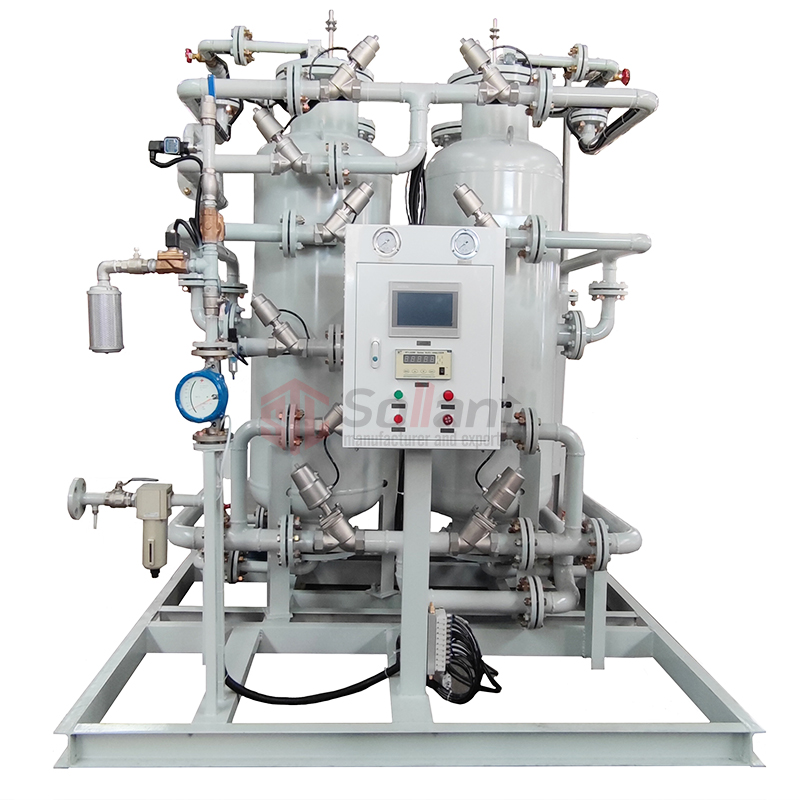
In modern industry and scientific experiments, the demand for high purity nitrogen generator. As an important equipment to meet this demand, high purity nitrogen generator are widely used in metal processing, chemical analysis, electronic manufacturing, and laboratory research. Correctly selecting a suitable nitrogen generator can not only improve production efficiency, but also save costs and ensure safety. This article will discuss in detail the key factors to consider when selecting a high-purity nitrogen generator to help users make wise decisions.
1. Purity requirements
Definition and standards of nitrogen purity
The first consideration for ahigh purity nitrogen generator is the purity of nitrogen. The purity of nitrogen is usually expressed as a percentage, such as 99.999% (five nines). Different applications have different requirements for the purity of nitrogen. For example, the semiconductor manufacturing industry requires extremely high purity (usually 99.9999% or higher) to ensure product quality and stability; while general industrial applications may only require 99.9% purity to meet the needs.
Purity testing and assurance
When choosing a nitrogen generator, it is crucial to understand whether the equipment can stably provide the required purity. Many manufacturers will provide purity assurance and test certificates. Users should ask the supplier to provide a test report on the purity of nitrogen and understand the purity stability and fluctuation range of the equipment.
2. Flow requirements
Flow calculation
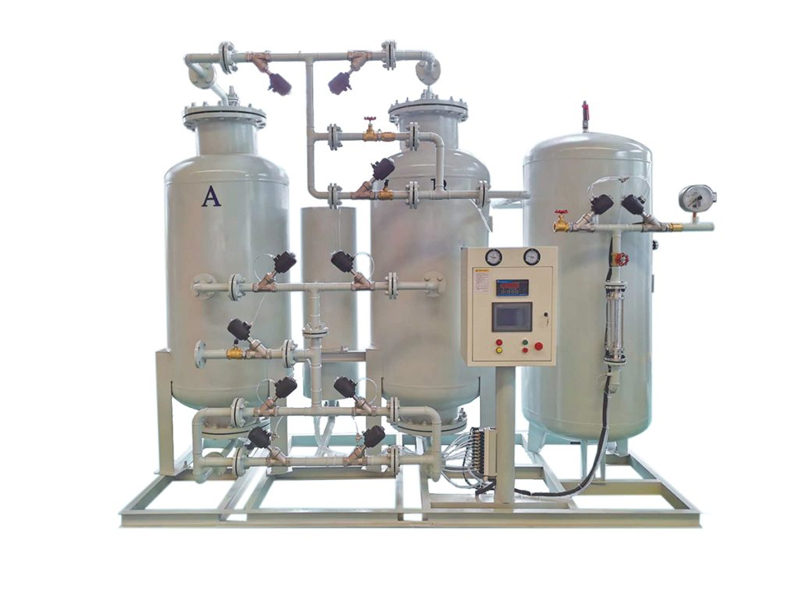
Flow refers to the amount of nitrogen produced by the nitrogen generator per hour or per minute. Choosing the right flow is crucial to ensuring production efficiency and avoiding resource waste. Flow requirements depend on specific application scenarios, such as chemical reactions, metal processing, laboratory testing, etc. Users need to calculate the required nitrogen flow according to actual needs and choose a generator that can meet this flow requirement.
Flow regulation and control
Some high purity nitrogen generator are equipped with a flow regulation function, which can adjust the nitrogen output flow according to actual needs. When choosing, you should consider whether the equipment has the ability to regulate flow to cope with the changing needs in different production stages and experimental processes.
3. Operating costs
Initial investment
The initial investment includes the purchase cost of the nitrogen generator and the installation fee. The prices of generators of different brands, models and specifications vary greatly. When choosing, you should consider the budget and needs comprehensively and choose the equipment with high cost performance.
Operation and maintenance costs
In addition to the initial investment, operation and maintenance costs are also important considerations when choosing a nitrogen generator. These costs include energy consumption, maintenance costs, and fault repair costs of the equipment. An efficient nitrogen generator can significantly reduce energy consumption, thereby reducing operating costs. In addition, understanding the maintenance cycle of the equipment, the required accessories and their prices can help users evaluate long-term operating costs.
IV. High purity nitrogen generator equipment size and installation
Footprint
The size and footprint of a high purity nitrogen generator may vary depending on the model and specification. When selecting equipment, the actual installation space of the equipment should be considered to ensure that the equipment can adapt to the existing environment. Oversized equipment may cause space waste, while undersized equipment may not meet actual needs.
Installation environment requirements
The installation environment of the nitrogen generator also needs to be considered. Some equipment may have specific requirements for the installation environment, such as temperature, humidity, ventilation conditions, etc. Ensuring that the installation environment meets the requirements of the equipment can extend the service life of the equipment and improve its operating efficiency.
V. Reliability and maintenance
Reliability of equipment
When selecting a high purity nitrogen generator, the reliability of the equipment is crucial. Reliable equipment can maintain stable nitrogen purity and flow rate in long-term operation, reducing failures and downtime. Users can refer to the technical specifications, user reviews and industry reputation of the equipment to evaluate the reliability of the equipment.
Maintenance and troubleshooting
High-purity nitrogen generators require regular maintenance to ensure their normal operation. Understanding the maintenance requirements, common faults and their treatment methods of the equipment can help users to perform maintenance and repairs in a timely manner. Choosing a supplier with good after-sales service can also provide support for equipment maintenance and troubleshooting.
VI. Technological development and future trends
Application of new technologies
Nitrogen generator technology is constantly developing, and many new technologies and materials are applied to equipment design. For example, advanced membrane materials and separation technologies can improve the purity and separation efficiency of nitrogen. Understanding the latest technological developments can help users choose equipment with advanced technology and excellent performance.
Intelligence and automation
Modern nitrogen generators are increasingly using intelligent and automated technologies. These technologies can improve the operating convenience and accuracy of the equipment, for example, through the automatic monitoring system to monitor the purity and flow of nitrogen in real time, and automatically alarm or adjust when abnormalities occur. Choosing equipment with intelligent functions can improve operating efficiency and safety.
Energy efficiency improvement and environmental protection
With the improvement of environmental protection requirements and the rise of energy costs, the energy efficiency and environmental performance of nitrogen generators have also become important factors for users to pay attention to. Choosing high-efficiency and low-emission equipment not only helps save energy and reduce operating costs, but also helps reduce environmental impact.
VII. High purity nitrogen generator case analysis
Successful cases
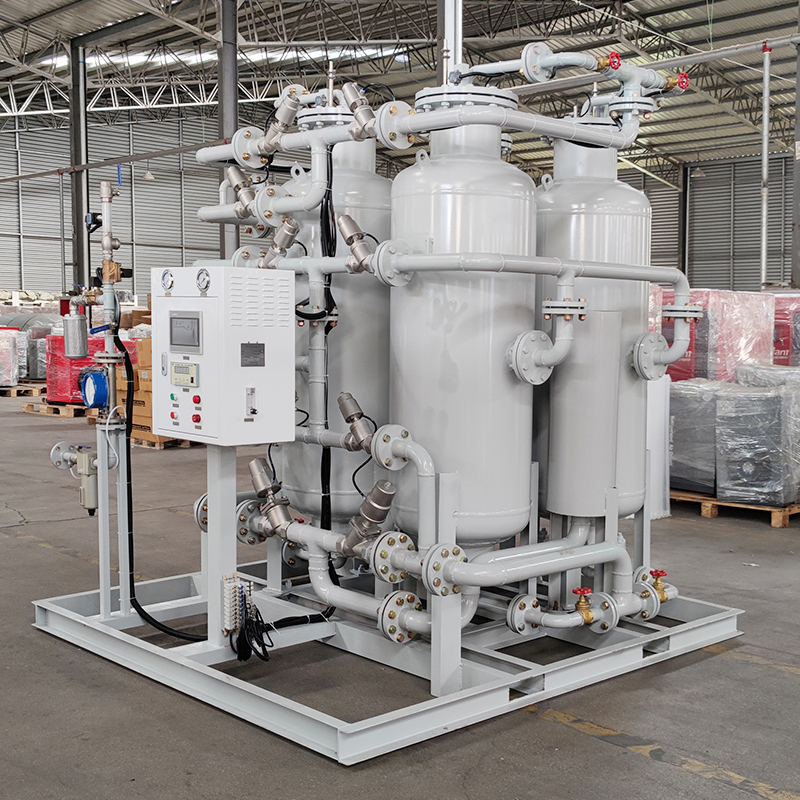
In practical applications, many companies and laboratories have achieved remarkable results by selecting suitable high purity nitrogen generator. For example, a semiconductor manufacturing company improved the stability and output of the production line by introducing advanced nitrogen generators; a chemical laboratory ensured the accuracy and repeatability of experimental results by using high purity nitrogen generator.
Failure cases
Some users also encountered problems when choosing high purity nitrogen generator, such as the equipment could not stably provide the required purity, insufficient flow, etc. These failure cases can usually be attributed to insufficient understanding of equipment specifications and performance, improper selection, etc. By analyzing these cases, users can avoid similar mistakes and make more informed choices.
VIII. Conclusion
When choosing a high purity nitrogen generator, it is crucial to understand and consider multiple factors. From purity requirements, flow requirements to operating costs, equipment size and installation requirements, every detail may affect the final use effect. Through a comprehensive evaluation of equipment technology, market trends and user feedback, users can choose the most suitable nitrogen generator to improve production efficiency, ensure safety, and achieve long-term economic benefits. With the development of technology and changes in market demand, continuing to pay attention to the technology and market trends of nitrogen generators is also an important factor in making a wise choice.
Request a Quick Quote Now
Shanghai Sollant Energy Saving Technology Co., Ltd.
Drawing on our years of experience and expertise in air separation and PSA technologies, we deliver customized solutions tailored to your specific needs.
