
Energy efficiency improvement strategies for industrial diaphragm compressors: 5 ways to save 30% of energy in real terms
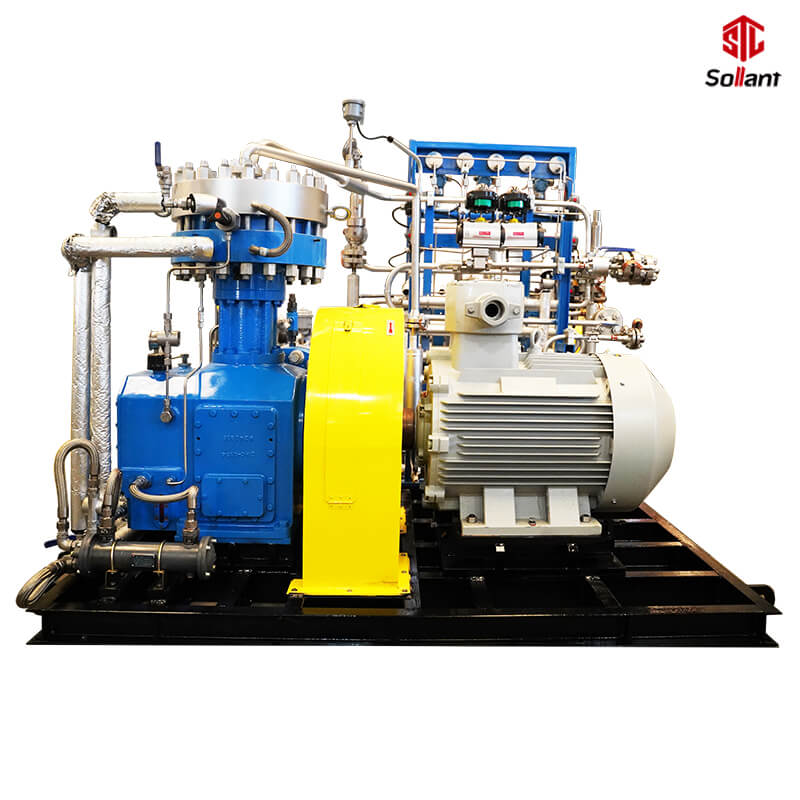
Against the backdrop of accelerating global industrialization, improving energy efficiency has become a core issue for corporate sustainable development and addressing climate change. Especially in industries with extremely high requirements for gas purity, such as chemicals, pharmaceuticals, food processing, semiconductor manufacturing, and aerospace, industrial diaphragm compressors have become indispensable key equipment with their unique oil-free lubrication, high cleanliness, zero leakage, and the ability to handle corrosive, toxic, flammable, explosive, and high-purity gases. However, this high-performance equipment is often also a “big spender” on corporate energy consumption. Electricity consumption accounts for the vast majority of its operating costs, which makes the energy efficiency management of diaphragm compressors directly affect the economic benefits and market competitiveness of the company.
The traditional design and operation mode of diaphragm compressors, while pursuing stability and reliability, often ignores the potential for energy optimization in subtle areas. With the fluctuation of energy prices and increasingly stringent environmental regulations, companies are in urgent need of more efficient and greener operating solutions. Through the actual measurement and analysis of thousands of diaphragm compressor systems, combined with cutting-edge industrial technology and management concepts, we have identified and summarized five proven strategies that can significantly improve the energy efficiency of diaphragm compressors. These strategies are not simple equipment upgrades, but cover comprehensive optimization solutions from fine-tuning operating parameters to the application of advanced technologies to comprehensive system management. This article will elaborate on these five strategies in detail, aiming to provide industrial enterprises with a practical energy efficiency improvement roadmap to help them achieve energy savings of up to 30%, thereby maintaining their leading edge in the fierce market competition and actively fulfilling their corporate social responsibilities.
The importance of energy efficiency of industrial diaphragm compressors: multi-dimensional analysis of its strategic value
The improvement of energy efficiency of industrial diaphragm compressors is not just at the level of “saving electricity”, it is also a multi-dimensional and strategic proposition that concerns the survival and development of enterprises, social responsibility and the global energy structure.
Significant driving force of economic benefits:
Direct cost reduction: Electricity is the core resource that drives the operation of diaphragm compressors. Depending on the industry and production scale, diaphragm compressors may consume 10% to 40% of the total electricity of the enterprise. For example, if a 100kW diaphragm compressor is calculated based on 8,000 hours of operation per year, even if the electricity price is only 0.8 yuan/kWh, its annual electricity bill is as high as 640,000 yuan. If a 30% improvement in energy efficiency can be achieved, nearly 200,000 yuan in electricity bills can be saved each year. For large enterprises with multiple compressors, this saving will be astronomical. This part of the saved funds can be directly converted into corporate profits, or invested in other value-added links such as research and development and market expansion, thereby improving the overall profitability of the enterprise.
Reduction of indirect costs: The improvement of energy efficiency is often accompanied by the optimization of equipment operation status. For example, lower operating temperature and more stable operating load can effectively reduce the wear of parts and components, reduce the failure rate, and thus reduce production losses and maintenance costs caused by downtime and maintenance. At the same time, the energy consumption of auxiliary equipment such as cooling systems will also be reduced accordingly. For example, when the exhaust temperature of the compressor is reduced, the load of post-processing equipment such as dryers and filters will be reduced, and their energy consumption and maintenance costs will also decrease accordingly.
Optimizing the return on investment (ROI): Although some energy efficiency transformation projects require a certain initial investment, the return on investment period is usually short given the huge energy consumption base of diaphragm compressors. For example, installing a variable frequency drive system may require an investment of hundreds of thousands of yuan, but if the cost can be recovered through electricity bill savings within two years, the return on this investment will far exceed many other types of investments and become an important indicator of corporate financial health.
Active fulfillment of environmental responsibilities and shaping of corporate image:
Reduction of carbon emissions: Most industrial electricity comes from thermal power generation, which is the main source of greenhouse gas emissions. The improvement of diaphragm compressor energy efficiency directly reduces electricity consumption, thereby reducing the indirect carbon emissions of enterprises in the power production link. This not only helps enterprises meet national and local carbon emission standards, but may even create revenue for enterprises in the carbon trading market.
Reduced resource consumption: Energy conservation means effective protection of natural resources. By reducing dependence on fossil fuels, enterprises not only fulfill their environmental responsibilities, but also contribute to the sustainable development of society.
Green brand image: In today’s society, consumers and investors are paying more and more attention to the social responsibility performance of enterprises. The promotion of energy efficiency optimization is a concrete manifestation of enterprises’ active response to the national energy conservation and emission reduction policies and the practice of the concept of green development. This helps to enhance the brand image and market competitiveness of enterprises and attract more environmentally friendly customers and investors.
Catalyst for technological innovation and productivity improvement:
Promoting technological upgrading: The pursuit of higher energy efficiency prompts manufacturers and users to continuously explore new materials, designs and control technologies. For example, more advanced diaphragm materials, more optimized valve structures, and intelligent control systems are all technological innovations driven by energy efficiency.
Optimizing production processes: Energy efficiency analysis often requires diagnosis of the entire gas system, which helps companies find bottlenecks and irrationalities in the production process, thereby driving the improvement of overall production efficiency. For example, precise pressure control can improve the operating efficiency of pneumatic tools, or ensure the stability of specific process parameters, ultimately improving product quality and production efficiency.
Risk management and resilience improvement: High energy efficiency means that companies are more resistant to external energy price fluctuations. Against the backdrop of increasing uncertainty in the global energy market, energy efficiency advantages can help companies better cope with potential energy crises and improve operational resilience.
In summary, the improvement of energy efficiency of industrial diaphragm compressors is not a stopgap measure, but an investment with far-reaching strategic significance. It can not only bring rich economic returns to enterprises, but also help enterprises achieve comprehensive breakthroughs in environmental responsibility, technological innovation and market competitiveness, so as to occupy a favorable position in the increasingly complex global economic environment.
Optimize the operating pressure and exhaust temperature of the compressor: the energy throttle valve of refined management
The energy efficiency optimization of diaphragm compressors is like a housewife who is careful in calculating, starting from every detail. Operating pressure and exhaust temperature are the two key “leakage” points in energy consumption. Refined management of them is one of the most direct and cost-effective ways to achieve energy saving.
Operating pressure optimization: reject “excess” energy waste
Linear relationship between pressure and energy consumption: The working principle of the compressor is to compress low-pressure gas to high pressure. The laws of physics tell us that the energy required to raise a certain amount of gas from a lower pressure to a higher pressure is positively correlated. Specifically, for most industrial compressors, every additional 0.1MPa (about 1bar) of exhaust pressure will result in about 5% to 7% additional energy consumption. This means that even a small pressure deviation will cause a staggering amount of energy waste over time. For example, a compressor designed for 0.7MPa may consume millions of yuan in electricity bills each year if it actually runs at 0.8MPa.
Comprehensively evaluate actual needs: Many companies tend to leave a large safety margin when setting the compressor outlet pressure, or even use historical, unoptimized settings. The first task is to conduct a detailed pressure demand assessment of the entire compressed air or specialty gas delivery system. This includes:
Terminal equipment pressure requirements: Verify the minimum pressure requirements of all pneumatic tools, actuators, and process equipment one by one. For example, a pneumatic wrench may require 0.6MPa to work properly, but the pressure upstream is set to 0.8MPa.
Pipeline system pressure loss: The length, diameter, number of elbows, valve type, and whether there is blockage in the pipeline will cause pressure loss along the way. By installing a pressure gauge, using a pressure sensor for real-time monitoring, and analyzing with professional fluid simulation software, you can accurately identify areas with large pressure losses.
Filter and dryer pressure drop: Air handling equipment (such as filters, refrigerated dryers, and adsorption dryers) will also produce a certain pressure drop during normal operation. Regularly checking the operating conditions of these equipment to ensure that they are in the best working condition and replacing clogged filter elements in time can effectively reduce unnecessary pressure drops.
Dynamic pressure control and zoning management: After clarifying the actual needs, the compressor outlet pressure should be set to the minimum required to meet the normal operation of all terminal equipment. For complex production lines and large differences in gas pressure requirements in various regions, zoning pressure management can be considered. That is, a relatively low pressure is set in the main pipeline, and then a booster is installed in the local area where a higher pressure is required to avoid the entire system running under high pressure. Use PLC (programmable logic controller) or DCS (distributed control system) to achieve dynamic pressure adjustment, automatically fine-tune the compressor operating pressure according to the real-time gas consumption and the pressure feedback of each branch pipeline, and ensure stable supply while maximizing energy saving.
Exhaust temperature control: Energy efficiency improvement by reducing “heat waste”
Relationship between heat and energy consumption: During the compression process, the temperature of the gas will rise sharply due to the collision and friction of molecules. This part of the increased temperature is actually the performance of the compressor converting electrical energy into thermal energy. If this part of the heat cannot be effectively removed, it will lead to energy loss. In theory, isothermal compression (i.e. the temperature remains unchanged during the compression process) is the most energy-efficient, but in reality, the diaphragm compressor performs approximately adiabatic compression. Therefore, approximating isothermal compression through cooling is the key to improving energy efficiency.
Construction and maintenance of efficient cooling system:
Optimization of cooling medium: Ensure that the flow, pressure and temperature of cooling water (or air) meet the design requirements. The water cooling system should be regularly tested for water quality to prevent scaling, corrosion or algae growth, which will seriously affect the heat exchange efficiency. The air cooler needs to clean the heat dissipation fins regularly to avoid dust clogging.
Intermediate cooling and post-cooling: For multi-stage diaphragm compressors, it is crucial to set up an intermediate cooler between each stage of compression. Through intermediate cooling, the temperature of the next stage of suction gas can be effectively reduced, thereby reducing the power consumption of the next stage of compression. For example, if the intercooler can reduce the gas temperature from 150°C to 40°C, the energy consumption of the next stage of compression will be significantly reduced. The aftercooler further reduces the temperature of the gas after it leaves the compressor, which is not only beneficial to energy saving, but also protects downstream equipment (such as dryers and filters) from high temperatures and prolongs their service life.
Cooler selection and maintenance: Select a cooler with high heat exchange efficiency and low pressure drop to ensure that it can effectively transfer heat without increasing additional energy consumption. Clean and inspect the cooler regularly to remove internal dirt and external dust to ensure that the heat exchange surface is clean.
Waste heat recovery: Diaphragm compressors generate a lot of heat during operation, and this part of the heat is not entirely “waste heat”. By adding a heat recovery device, the heat generated during the compression process can be recovered and reused, such as heating factory water, heating the heating system, or as a heat source for other processes. This not only improves the overall energy utilization efficiency of the compressor, but also creates additional value for the enterprise and realizes “turning waste into treasure”. For example, using the high-temperature cooling water or hot air discharged from the compressor to preheat boiler feed water or as a drying heat source on the production line can bring significant comprehensive energy-saving benefits.
Through the refined control of operating pressure and exhaust temperature, enterprises can not only directly reduce the energy consumption of diaphragm compressors, but also optimize the operating status of the entire gas supply system, laying a solid foundation for subsequent more complex energy efficiency improvement strategies.
Use variable frequency drive (VFD) technology to adjust compressor load: the revolution from “fixed gear” to “stepless speed change”
In the energy efficiency optimization strategy of diaphragm compressors, variable frequency drive (VFD) technology is undoubtedly a milestone innovation. It transforms the traditional “fixed gear” operation mode into an intelligent “stepless speed change”, so that the compressor can accurately adjust the power output according to the actual gas demand, significantly improving the operating efficiency under partial load conditions.
Limitations of traditional fixed speed operation mode:
Inefficiency of “load/unload” mode: After reaching the set pressure, traditional fixed speed diaphragm compressors will enter the unloading state, the motor is still idling, but no longer effectively compressing. Although there is no gas output, the motor still consumes about 20% to 40% of the rated power. If the system gas consumption is lower than the minimum output capacity of the compressor, the compressor will also frequently switch between loading and unloading, resulting in energy waste and component wear.
Energy consumption in “start-stop” mode: For small compressors, direct start-stop may be used to respond to demand. However, each start-up will generate a large surge current, which will impact the power grid and generate additional energy consumption. Frequent start-stop will also accelerate the aging of motors and mechanical components.
“Big horse pulling a small cart”: Many companies will reserve a large safety margin when selecting models, resulting in the compressor working at a condition far below the rated load most of the time in actual operation, that is, “big horse pulling a small cart”, which is inefficient.
Working principle and advantages of VFD technology:
Accurate speed control: VFD accurately controls the speed of the motor by changing the frequency and voltage of the power supply to the motor. For diaphragm compressors, changes in speed directly affect the intake and compression of gas. This means that the compressor can dynamically adjust its exhaust volume according to the actual changes in gas consumption to achieve “gas supply on demand”.
Energy-saving potential of the square law: The energy-saving principle of VFD is based on the “square law” of fluid machinery: the power consumption of fans and pumps is proportional to the cube of the speed, while the flow rate is proportional to the speed, and the pressure is proportional to the square of the speed. Although diaphragm compressors are not pure centrifugal fluid machinery, their flow rate and speed are also approximately linear. By reducing the speed to reduce the flow, its power consumption will drop significantly, thus achieving significant energy saving under partial load. For example, when the flow demand is reduced by 20%, the energy consumption of the traditional fixed speed compressor may only be reduced by 5%, while the energy consumption of the VFD compressor may be reduced by more than 30%.
Soft start and extended life: VFD can achieve soft start at startup, avoiding the huge impact current generated by the traditional direct start method, protecting the motor and the power grid. At the same time, due to the smooth adjustment of the speed, the impact and wear of mechanical parts are reduced, the service life of the compressor is extended, and the maintenance cost is reduced.
Stable system pressure: The VFD system can monitor the pipeline pressure in real time and fine-tune the compressor speed according to the pressure fluctuations to maintain the stability of the system pressure. This is crucial for production processes that are sensitive to pressure fluctuations.
Noise reduction: When running at low load, the VFD will reduce the operating speed of the compressor, which will significantly reduce the operating noise and improve the working environment.
Application scenarios and benefit analysis of VFD in diaphragm compressors:
Working conditions with large demand fluctuations: For enterprises with large differences in gas consumption between day and night shifts, obvious seasonal changes in gas consumption, or frequent adjustments to production processes that lead to gas consumption fluctuations, VFD energy efficiency advantages are most prominent. It can ensure that the compressor always operates in the optimal efficiency area.
Multi-machine joint control system: In situations where there are multiple diaphragm compressors, VFD can be used as the core control unit to form an optimized configuration of “base load + variable frequency” with fixed-speed compressors. For example, a high-power VFD compressor is used as the main control machine to adjust the pressure and flow of the entire system, and the remaining fixed-speed compressors are operated as base loads or provide supplements during peak hours. The intelligent control system will automatically determine whether to start more fixed-speed machines or adjust the speed of the variable-speed machine based on the real-time gas consumption, so that the entire compressed air system can achieve the best energy efficiency.
Compression of special gases: For high-purity, toxic or corrosive gases, the stable operation of diaphragm compressors is essential. The precise control capability of VFD helps to avoid frequent start-stop and pressure fluctuations, thereby reducing the potential risk of contamination or leakage of special gases and improving system safety and reliability.
Although the initial investment of VFD is relatively high, considering the significant energy-saving benefits, extended equipment life and improved system operation stability, its investment payback period is usually very short, and it is one of the preferred solutions for upgrading the energy efficiency of industrial diaphragm compressors.
Regular maintenance and optimization of the sealing system: the core of ensuring the “zero leakage” of diaphragm compressors
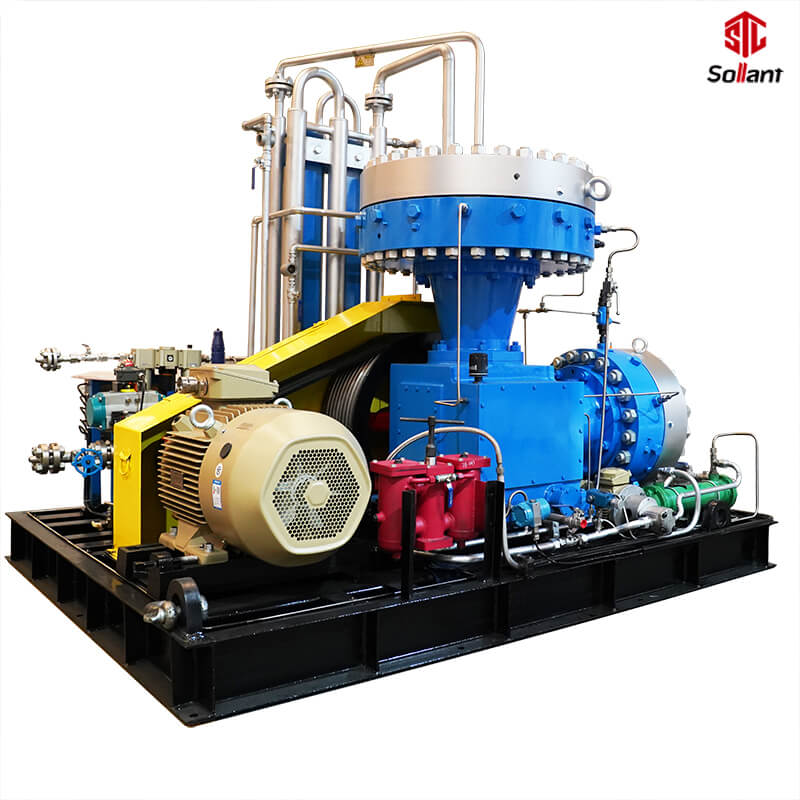
The reason why diaphragm compressors are unique in the field of high-purity, toxic and harmful gas treatment is that their excellent sealing performance achieves “zero leakage” between the medium and the outside world and oil-free pollution in the compression chamber. Therefore, regular maintenance and optimization of the sealing system is not only the basis for ensuring the safe and efficient operation of equipment, but also the key to avoiding invisible energy consumption and ensuring process purity.
Leakage: Invisible energy “thief”:
The prevalence and harm of leakage: The harmfulness of compressed gas leakage is underestimated in many industrial production sites. Data shows that an average of 20% to 30% of compressed air in a factory is leaked in vain. For diaphragm compressors that handle special gases, this leakage is not only a waste of energy, but it may also cause toxic and harmful gas leakage, causing safety accidents; or lead to the loss of precious gas, which directly affects production costs. Even tiny leaks that are difficult to detect with the naked eye can cause astonishing energy losses over time. For example, a small hole with a diameter of 1mm can leak tens of thousands of yuan worth of compressed air in a year at a pressure of 0.7MPa.
Leak detection technology:
Ultrasonic leak detector: This is currently the most commonly used and efficient leak detection tool. When leaking gas passes through tiny pores, it will generate high-frequency ultrasonic waves that cannot be heard by the human ear, but the ultrasonic leak detector can convert it into an audible sound signal and display the signal strength, thereby quickly locating the leak point.
Soap water method/foam spray: For obvious leaks, traditional soap water or professional foam spray is still a simple and effective verification method.
Infrared thermal imager: In some cases, gas leaks may be accompanied by temperature changes, and infrared thermal imagers can assist in positioning.
Leakage management system: For large and complex systems, an online leakage monitoring system can be deployed to monitor pressure changes in real time through a sensor network, and predict and locate leakage points in combination with big data analysis.
Leakage repair strategy: Once a leak is found, it should be repaired immediately. Establish a complete leakage management system, including regular detection, recording, evaluation and repair processes. Prioritize the repair of leaks with large leakage and high safety. Leaks that cannot be repaired immediately should be marked and included in the maintenance plan.
Diaphragm system: a barrier for isolation and safety:
Diaphragm integrity: The diaphragm is the core component of the diaphragm compressor. It completely isolates the compression chamber from the crankcase (or hydraulic chamber) to ensure that the compressed gas is not contaminated. Diaphragm materials are usually selected from Teflon (PTFE), stainless steel, nickel-based alloys, etc. to adapt to different gas media and operating temperatures. Long-term operation, medium corrosion, temperature stress or foreign body impact may cause diaphragm fatigue, wear and even rupture. Diaphragm rupture not only causes gas leakage, but is also likely to cause hydraulic oil or lubricating oil to enter the gas line, contaminating the process medium and causing serious consequences.
Regular inspection and replacement: Establish a strict diaphragm inspection and replacement cycle. This is usually based on the manufacturer’s recommendations and adjusted in combination with actual operating conditions (such as the corrosiveness of the gas medium, operating time, and start-stop frequency). The inspection content includes whether there are cracks, wear marks, deformation on the diaphragm surface, and whether the connection parts are tight.
Multi-layer diaphragm design: Many industrial-grade diaphragm compressors use a multi-layer composite diaphragm design (such as double or triple layers), and set pressure or vacuum monitoring devices between layers. Once the inner diaphragm ruptures, the monitoring system can immediately alarm to prevent external pollution from entering the gas line, thereby winning time for safe shutdown and maintenance.
Valve: The “gatekeeper” of compression efficiency:
Valve sealing: The suction valve and exhaust valve are key components for controlling the inlet and outlet of gas. Wear, deformation, spring fatigue or foreign matter stuck on the valve plate will cause the valve to close loosely. Leakage of the suction valve will cause the compressed gas to flow back to the suction side, reducing the effective exhaust volume; leakage of the exhaust valve will cause the high-pressure gas to flow back to the compression chamber, causing repeated compression, both of which will significantly reduce the volumetric efficiency of the compressor and increase energy consumption.
Regular inspection and replacement: Valves are consumable parts and need to be inspected, cleaned or replaced regularly according to the operating time, medium characteristics and wear degree. The inspection content includes whether the valve plate is cracked or deformed, whether the valve seat is flat, whether the spring is fatigued, and whether there is foreign matter.
Valve material selection: According to the characteristics of the compressed gas, wear-resistant and corrosion-resistant valve materials such as PPH, PEEK, stainless steel, etc. are selected to extend the service life of the valve and maintain its sealing performance.
Piston rod seal and oil seal (designed for some diaphragm compressors):
Although diaphragm compressors are mainly characterized by oil-free compression, for some types of drive mechanisms or piston rod drive diaphragms, piston rod seals and oil seals may exist. The failure of these seals will cause lubricating oil leakage, which will not only cause pollution but also affect mechanical efficiency. Regular inspection and replacement are also required.
Maintenance process and specialization:
Develop a detailed maintenance plan: According to the equipment manual and actual operation experience, develop a detailed maintenance plan covering daily inspections, regular maintenance and annual overhauls.
Training professional maintenance personnel: The maintenance of diaphragm compressors is professional and requires specially trained personnel to operate to ensure maintenance quality and safety.
Spare parts management: Establish a reasonable spare parts inventory to ensure the timely supply of key wearing parts (such as diaphragms, valves, and seals) to avoid downtime due to spare parts shortage.
By establishing a complete leakage management system and fine maintenance of key sealing components such as diaphragm systems and valves, enterprises can effectively plug the “black hole” of invisible energy consumption and ensure the safe and efficient operation of diaphragm compressors, thereby achieving significant energy saving effects and maintaining process purity.
Use efficient gas cooling technology: the “wisdom” and “strategy” of compression heat
When the gas is compressed in the diaphragm compressor, its temperature will rise sharply. This part of the temperature rise is actually the performance of the compression work converted into heat energy. If this heat cannot be effectively removed, it will not only lead to energy loss, but also have an adverse effect on the equipment life and downstream processes. Therefore, efficient gas cooling technology is an indispensable part of improving the energy efficiency of diaphragm compressors. It represents the “wisdom” and “strategy” of compression heat.
Understanding the heat generation during compression:
Adiabatic compression and isothermal compression: In theory, the most energy-efficient compression process is isothermal compression, that is, the temperature of the gas remains unchanged during the compression process. However, the actual diaphragm compressor operates close to adiabatic compression, that is, there is no heat exchange with the outside world during the compression process, resulting in a significant increase in gas temperature. This part of the temperature rise is inevitable, but through effective cooling, we can make it closer to isothermal compression, thereby reducing the required compression work. For example, to compress the gas temperature from 20°C to 0.7MPa, if the gas temperature is kept at 20°C throughout the process, the power consumption required is much lower than the compression process with a final temperature of 150°C.
Effect of temperature on gas density: The density of gas decreases at high temperature, which means that the compressor per unit volume needs to process more gas volume to achieve the same mass flow, thereby increasing ineffective work.
Intercooling and post-cooling: Multi-stage cooling strategy:
Intercooler: For multi-stage diaphragm compressors, it is crucial to set up an intercooler between each stage of compression. Its function is to reduce the temperature of the gas before it enters the next stage of compression. The advantages of doing so are:
Reduce the compression work of the next stage: The lower gas temperature means that its density increases, and when the next stage compressor inhales the same mass of gas, its volume is smaller, thereby reducing the power consumption required for the next stage of compression. It is estimated that for every 10°C reduction in intercooling, the next stage of compression can save about 2% of energy consumption.
Improve equipment safety: Lowering the gas temperature can effectively prevent the risk of medium decomposition, equipment overheating and even spontaneous combustion caused by excessive temperature during the compression process, especially for flammable and explosive gases.
Protect equipment: Lowering the temperature of the gas entering the next stage can reduce the thermal stress on valves, diaphragms and other components and extend their service life.
Aftercooler: After leaving the last compressor, the gas still maintains a high temperature. The function of the aftercooler is to further cool the gas to a temperature close to the ambient temperature or the temperature required by the process. Its importance is reflected in:
Condensed water vapor: High-temperature gas carries a large amount of water vapor. Through aftercooling, the water vapor will condense into liquid water and be discharged through the automatic drain valve, which will greatly reduce the load of the downstream dryer (such as freeze dryer, adsorption dryer), improve drying efficiency, and extend the service life of the desiccant.
Protect downstream equipment: Low-temperature gas is more friendly to downstream filters, instruments, pneumatic components and final process equipment, preventing damage or performance degradation caused by high temperature.
Improve measurement accuracy: Temperature-stable gas is conducive to the accurate measurement of instruments such as flow meters and pressure gauges.
Optimization and maintenance of cooling system:
Cooling medium management:
Cooling water: For water cooling systems, ensure that the water quality (hardness, pH value, chloride ion content, etc.) of the cooling water meets the standards to prevent scaling, corrosion or microbial growth inside the pipes and coolers, which will seriously affect the heat exchange efficiency and may cause blockage. Perform water treatment and cleaning regularly. Ensure that the flow rate and inlet temperature of cooling water meet the design requirements.
Cooling air: For air-cooled systems, ensure that the heat dissipation fins are clean and free of dust, oil or other debris to ensure smooth air circulation. Clean the fan blades regularly.
Cooler selection: Select a cooler with high heat exchange efficiency and low pressure drop. For example, a plate heat exchanger or an efficient fin-and-tube heat exchanger. Its design should maximize heat exchange without adding additional system resistance, thereby avoiding increased energy consumption of the fan or water pump.
Temperature monitoring and control: Install temperature sensors to monitor the inlet and outlet temperatures of each level of coolers in real time to ensure the cooling effect. If the temperature rises abnormally, the fault should be immediately checked (such as insufficient cooling medium flow, cooler blockage, fan failure, etc.).
Waste heat recovery: This is a high-level application of cooling technology and a “finishing touch” for improving energy efficiency. The heat generated by the diaphragm compressor is a waste if it is directly discharged into the atmosphere. By adding a heat recovery device, this part of heat can be converted into useful energy:
Heating hot water: heating the compressor cooling water as domestic water or industrial preheating water.
Space heating: in cold seasons, use the heat generated by the compressor to heat the factory or office.
Process heat source: as an auxiliary heat source for specific processes (such as drying, preheating), replace or reduce the consumption of other fuels.
Absorption refrigeration: convert heat into cold energy to provide refrigeration for industrial processes or buildings.
Waste heat recovery can not only further improve the comprehensive energy utilization rate of diaphragm compressors, but also create additional economic and environmental benefits for enterprises. It is one of the effective ways to achieve carbon neutrality goals.
By implementing an efficient gas cooling strategy, from intermediate cooling to post-cooling, combined with waste heat recovery, enterprises can more effectively manage the heat generated during the compression process, thereby significantly reducing the operating energy consumption of diaphragm compressors, while extending equipment life and optimizing downstream processes.
Optimize compressor load and operation scheduling: Build an intelligent and efficient “cluster brain”
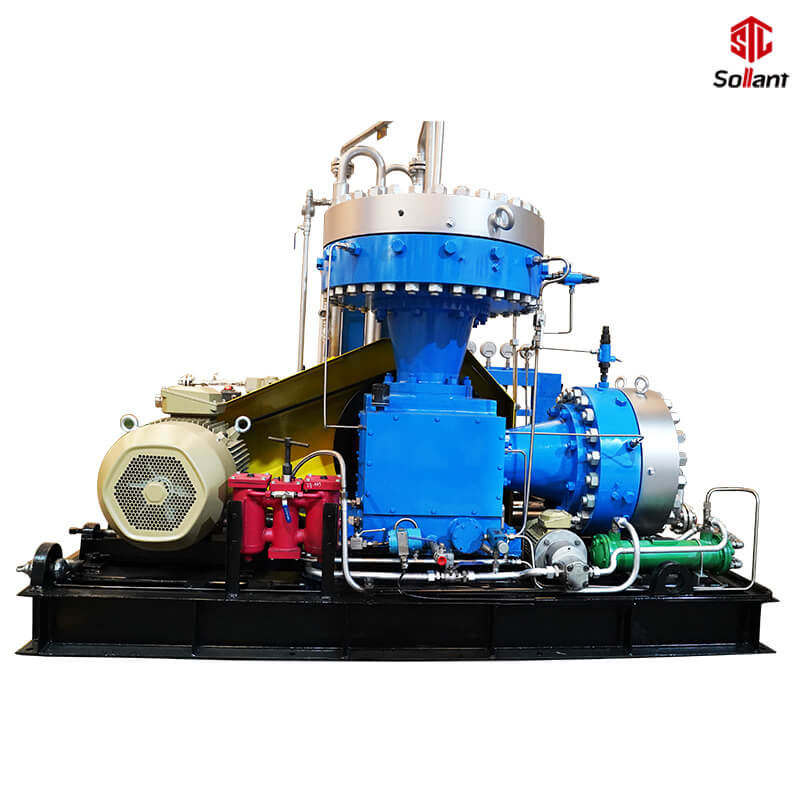
The energy efficiency optimization of a single diaphragm compressor is important, but to maximize the energy efficiency of the entire gas supply system, load optimization and operation scheduling must be carried out at the system level. Treating multiple compressors as an intelligent “cluster brain” and flexibly allocating resources according to actual needs through sophisticated collaborative operations is the key to achieving a leap in overall energy efficiency.
Understanding load characteristics and demand-side management:
Load fluctuation analysis: Gas demand in industrial production is usually not constant. It may be affected by a variety of factors such as production shifts, process flow, seasonal changes, equipment start-up and shutdown, and present a fluctuating pattern of peak, trough and average usage. First, it is necessary to conduct a detailed analysis of the company’s historical gas consumption data, draw an accurate gas load curve, and identify peaks, troughs, averages and fluctuations.
Demand-side management: While optimizing the supply side (compressor operation), attention should also be paid to the demand side. Reducing total demand from the source by optimizing production processes, rationally planning gas usage time, improving pneumatic tools and equipment, and reducing unnecessary gas usage is the most efficient way to save energy. For example, train employees to close pneumatic valves in time, check and close unused pneumatic tools.
Multi-machine joint control and intelligent scheduling system:
“Base load + variable frequency” strategy: For enterprises with multiple diaphragm compressors, the most classic optimization strategy is the “base load + variable frequency” combination. Select one or more fixed-speed compressors as the base load, run at the highest efficiency point close to full load, and be responsible for meeting most of the stable gas demand. Then, use one or more variable-frequency diaphragm compressors as “regulators” to accurately adjust the output flow and pressure according to the real-time fluctuations in gas consumption to ensure system pressure stability. This combination can take into account both efficiency and flexibility.
Intelligent control system (Master Controller): Deploying a central intelligent controller is the core of load optimization. The system can monitor the pressure, flow, and operating status of each compressor (start and stop, loading/unloading, power consumption, etc.) of the entire gas supply network in real time. Based on the preset optimization algorithm and real-time data, the intelligent controller can:
Automatic start and stop: Automatically start or stop redundant compressors according to pressure changes and gas demand to avoid no-load operation.
Optimization priority: According to the efficiency curve, operating time, maintenance cycle and other factors of each compressor, the most efficient compressor is intelligently selected for operation, or the least efficient compressor is shut down first.
Balanced operation time: Through intelligent scheduling, the operating time of each compressor is relatively balanced, avoiding excessive wear of certain equipment and extending the overall equipment life.
Fault switching: When a compressor fails, the system can automatically transfer the load to other available compressors to ensure the continuity of gas supply.
Predictive maintenance: Combining AI and big data analysis, the intelligent control system can perform predictive analysis on the operating status of the compressor, warn of potential failures in advance, arrange maintenance, and avoid unplanned downtime.
Optimization configuration and role of gas storage tanks:
Smoothing fluctuations: The gas storage tank plays the role of a “buffer” in the compressor system. It can store a certain amount of compressed gas. When the gas consumption increases instantly, the gas can be quickly released from the gas storage tank without the need to immediately start an additional compressor; when the gas consumption decreases, the excess gas can be stored in the gas storage tank. This effectively smooths out short-term gas consumption fluctuations and reduces the frequent start and stop and load/unload cycles of the compressor.
Reduce peak demand: A gas tank with a reasonable capacity can absorb part of the peak demand, so that the compressor does not have to be configured according to the maximum peak demand, thereby selecting a smaller and more efficient compressor.
Size and location: The capacity of the gas tank should be calculated based on the gas consumption fluctuation curve and the characteristics of the compressor. A gas tank that is too small will not work significantly, while a gas tank that is too large will increase investment costs and land occupation. At the same time, the gas tank should be placed closer to the main gas consumption point to reduce pipeline pressure loss.
Pipeline network optimization:
Pipe diameter rationalization: Ensure that the pipeline diameter can meet the maximum flow demand while minimizing the flow rate to reduce pressure loss along the way. Too thin pipes will significantly increase pressure loss, forcing the compressor to run at a higher pressure, resulting in increased energy consumption.
Reduce elbows and joints: Every elbow, valve, and joint in the pipeline system is a potential pressure loss point. When designing and renovating, the number of unnecessary elbows and joints should be minimized, and low-resistance valves should be selected.
Ring network design: Compared with linear networks, ring networks can provide multiple gas supply paths, reduce local pressure drops, improve gas supply stability, and will not affect gas consumption in other areas during local maintenance.
Continuous monitoring and optimization:
Energy efficiency optimization is a continuous process. Even after the initial transformation, the energy consumption data, operating parameters and gas consumption of the diaphragm compressor system should be continuously monitored, and energy efficiency evaluation should be performed regularly.
Use the energy management system (EMS) or SCADA system to analyze historical data, find new optimization opportunities, and continuously adjust the operation strategy according to changes in production processes.
By building an intelligent and efficient “cluster brain” and managing and scheduling diaphragm compressors as a whole system, enterprises can not only achieve energy efficiency improvements at the equipment level, but also tap into the huge energy-saving potential at the system level to ensure stable, efficient and economic gas supply.
Conclusion
Under increasingly severe energy challenges and environmental pressures, improving the energy efficiency of industrial diaphragm compressors has become an inevitable choice for modern industrial enterprises to enhance their core competitiveness and achieve sustainable development. This article discusses five energy efficiency improvement strategies that have been verified by field tests: optimizing operating pressure and exhaust temperature, using variable frequency drive (VFD) technology to adjust compressor load, regularly maintaining and optimizing sealing systems, using efficient gas cooling technology, and optimizing compressor load and operation scheduling.
These strategies do not exist in isolation. They are interrelated and complementary, and together they build a comprehensive and efficient diaphragm compressor energy efficiency optimization system. From fine management of each operating parameter to the introduction of cutting-edge VFD technology to achieve on-demand gas supply; from eliminating invisible leaks to ensure system purity and safety, to efficient use of heat energy to reduce energy waste; to building an intelligent multi-machine joint control system to achieve dynamic balance and maximize benefits of gas supply – each link contains huge energy-saving potential.
Practice has proved that by systematically implementing these strategies, enterprises can not only significantly reduce electricity consumption by up to 30%, directly cut huge operating costs, and improve economic benefits; they can also effectively reduce carbon emissions, actively fulfill corporate social responsibilities, and shape a green and environmentally friendly corporate image. In addition, the improvement of energy efficiency is accompanied by enhanced equipment reliability, reduced maintenance costs, and improved production efficiency, which brings multiple added values to enterprises.
Looking to the future, with the further development of the Internet of Things, big data and artificial intelligence technologies, the energy efficiency management of diaphragm compressors will become more intelligent and refined. Active predictive maintenance, AI-based operating parameter optimization, and intelligent scheduling deeply integrated with production plans will be the new trend of industry development. Therefore, for industrial enterprises, investing in the energy efficiency optimization of diaphragm compressors is not only an investment in equipment, but also a strategic investment in the future development of the enterprise, environmental friendliness and market competitiveness. Embracing these advanced energy efficiency improvement strategies will help enterprises to move forward steadily in the fierce market competition and create a green and efficient industrial future.
Request a Quick Quote Now

Shanghai Sollant Energy Saving Technology Co., Ltd.
Drawing on our years of experience and expertise in air separation and PSA technologies, we deliver customized solutions tailored to your specific needs.
