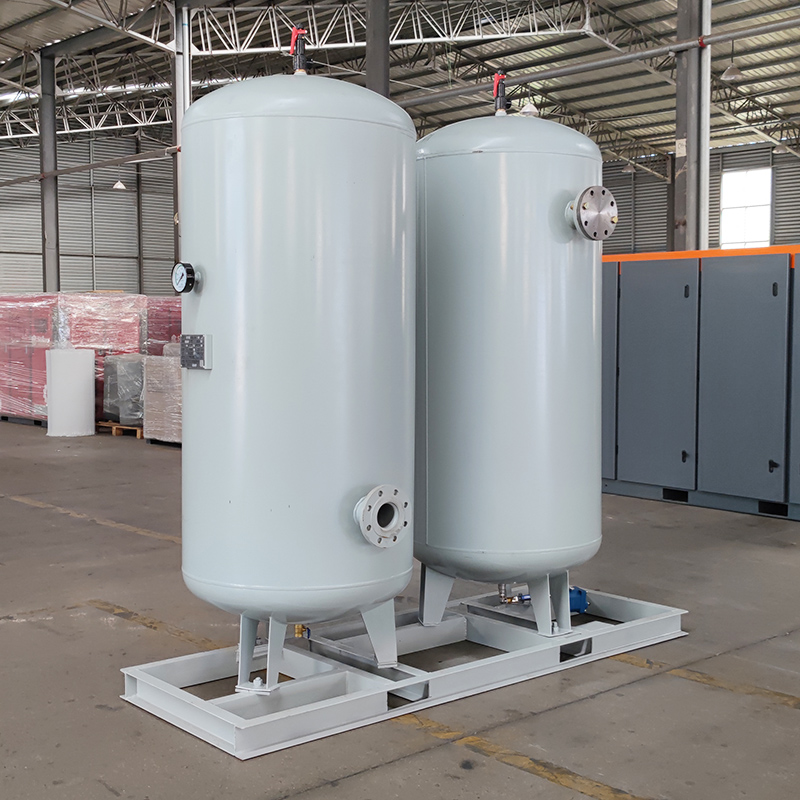
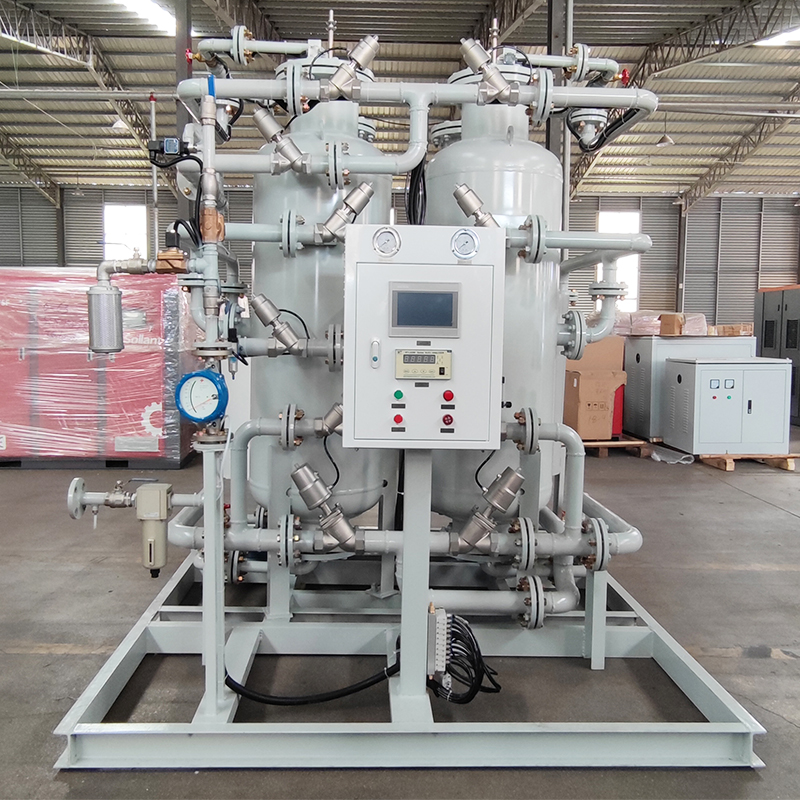
Food preservation has always been one of the core challenges of the global food industry. As consumers’ requirements for food safety and quality increase, companies are urgently required to adopt more advanced and effective technical means to extend the shelf life of food while ensuring that the nutrition and flavor of the food are not compromised. As an emerging technical tool, liquid nitrogen generator is gradually favored by food manufacturers and processing companies because of its significant advantages in the field of food preservation. This section will introduce the working principle and function of the liquid nitrogen generator, and discuss the main problems faced in the food preservation process.
Liquid nitrogen generator is a device that produces high-purity liquid nitrogen by separating and liquefying nitrogen in the air. Its working principle is mainly based on air separation technology, usually using cryogenic distillation (also called cryogenic separation) method to separate nitrogen, oxygen and other gases in the air. In this way, the nitrogen generator can generate liquid nitrogen with a purity of up to 99.999%, which has unique advantages in the food preservation process.
The main characteristics of liquid nitrogen include extremely low temperature (about -196°C) and inertness, which make it effective in preventing oxidation and microbial growth of food during storage and transportation. In addition, liquid nitrogen can quickly reduce the temperature of food and help maintain the texture, color and flavor of food. Therefore, liquid nitrogen generators are widely used in food processing links that require efficient freezing, quick freezing and improved modified atmosphere packaging.
During the production, storage and transportation of food, oxidation and microbial growth are two major factors affecting the shelf life and quality of food. Oxidation reactions mainly occur when food is exposed to air, especially foods with high fat content such as meat, dairy products and fried foods. Oxygen reacts with the fats in food, causing the oxidation of fatty acids, producing unpleasant odors and flavors, a process known as rancidity. In addition, oxidation will destroy the vitamins in food, especially vitamin C and vitamin E, thereby reducing the nutritional value of food.
Microbial growth is another factor that seriously affects food safety and quality. Microorganisms in food include bacteria, yeast and mold, which multiply rapidly under suitable temperature and humidity conditions, causing food spoilage. Certain pathogenic bacteria, such as Salmonella, E. coli and Listeria, may even produce harmful toxins in food, endangering consumers’ health.
To address these challenges, traditional food preservation methods include refrigeration, freezing, drying, salting, candiing, and smoking. However, these methods have limited effectiveness in extending the shelf life of food and may affect the nutrition and taste of the food. Therefore, the food industry urgently needs to introduce more efficient, economical and fresh-keeping technologies that do not affect food quality. It is in this context that liquid nitrogen generators, as an emerging food preservation solution, have shown great application prospects.
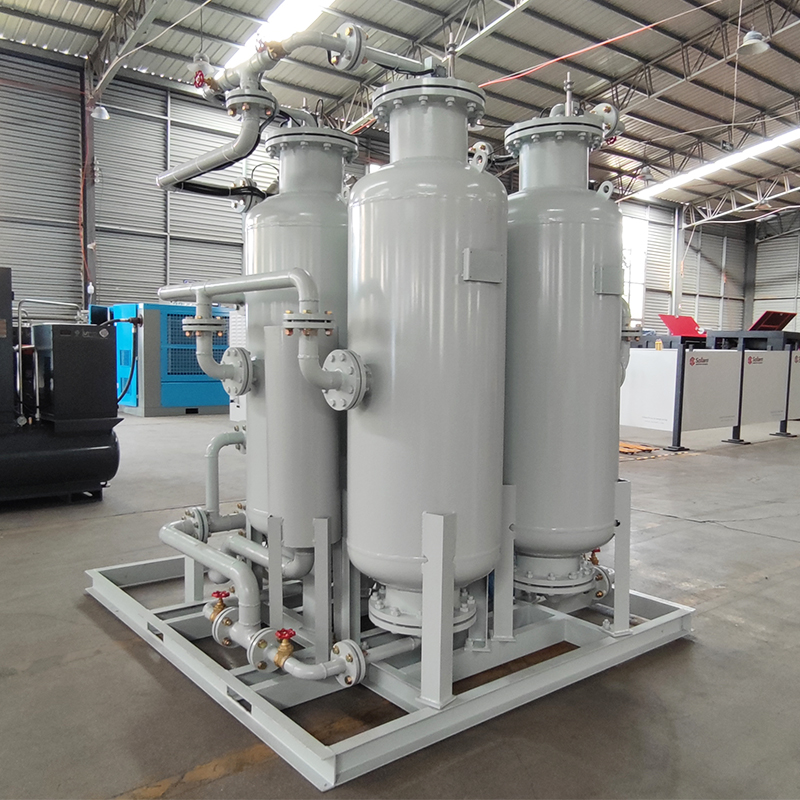
The liquid nitrogen produced by the liquid nitrogen generator can not only effectively isolate oxygen and delay the occurrence of oxidation reactions, but also quickly inhibit the growth and reproduction of microorganisms through its ultra-low temperature, providing a more comprehensive and effective guarantee for food preservation. As the quality requirements of the food industry continue to improve, the application prospects of liquid nitrogen generation technology will become increasingly broad.