Menu Close

Application and advantages of ammonia compressor in chemical industry

Ammonia compressor is an industrial equipment specially used for compressing ammonia, which is widely used in chemical, refrigeration, synthetic ammonia and other industries. Its basic principle is to compress the volume of ammonia by mechanical means, increase its pressure, and release heat in the process. This process usually requires multiple compression stages to ensure that ammonia can reach the required high pressure state for subsequent chemical processes or cooling applications.

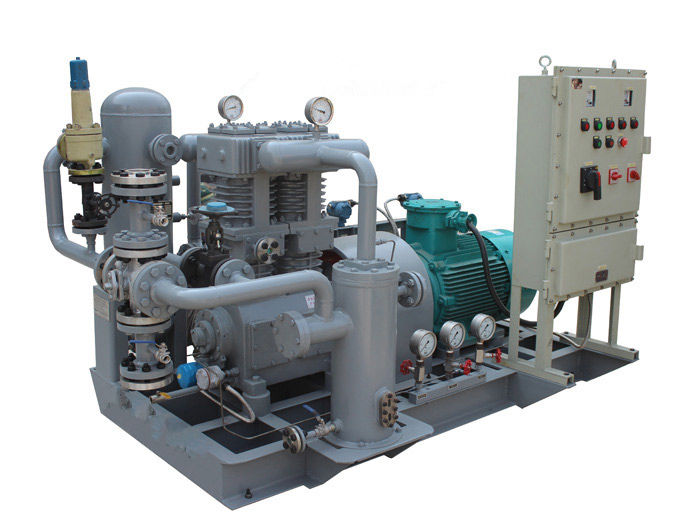
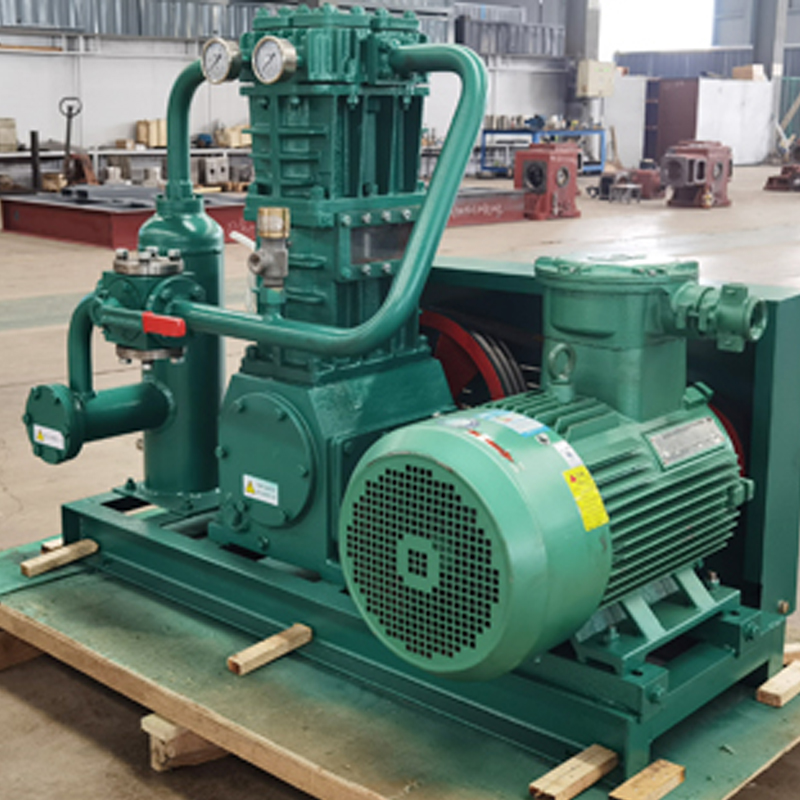
The main functions of ammonia compressors include compressing low-pressure ammonia to high pressure and effectively removing the heat generated during the compression process through the cooling system to maintain the stable operation of the equipment. It usually consists of multiple key components such as compressor head, lubrication system, cooling system, control system, etc., to ensure that ammonia is compressed and processed under efficient and safe conditions.

In the chemical industry, compression equipment plays a vital role. Chemical production processes usually involve the treatment, reaction and separation of multiple gases, and many processes need to be carried out under specific pressure and temperature conditions. Compression equipment can adjust the pressure of the gas to meet the requirements of these processes. For example, in the production process of chemical products such as synthetic ammonia, urea, nitric acid, etc., the high pressure state of ammonia is a prerequisite for the smooth progress of chemical reactions.

In addition, the chemical industry also needs to handle large amounts of gas mixtures, often including toxic, hazardous or flammable components. The design and operation of ammonia compressors must be highly reliable to ensure that these gases do not leak during the compression and processing process, thereby ensuring production safety.

Working principle of ammonia compressor

The core function of an ammonia compressor is to compress ammonia from a low pressure state to a high pressure state to meet the needs of various industrial applications. This compression process mainly relies on the conversion of mechanical energy, which is achieved by driving the piston, screw or other compression elements inside the compressor through an electric motor or other power source.

Specifically, ammonia first enters the compression chamber of the compressor through the inlet valve. In the compression chamber, as the piston or screw moves, the volume of the chamber gradually decreases, causing the pressure of the ammonia to gradually increase. During this process, the temperature of the ammonia will also increase, because the gas releases heat during the compression process.

In a multi-stage ammonia compressor, this process is repeated many times. Each stage of compression will further increase the pressure of the ammonia until the desired final pressure is reached. Between each stage of compression, the ammonia is usually cooled by an intercooler to reduce the temperature and ensure the efficiency and safety of the subsequent compression process.

After compression, the high-pressure ammonia is transported to the specified process through the exhaust valve or stored in a high-pressure container for subsequent use.

Main Components
Ammonia compressors consist of several core components, each of which plays a vital role in the compression process.

1. Compressor head
The compressor head is the core component of the ammonia compressor, which contains pistons, screws or other compression elements. It is responsible for performing the actual compression task, reducing the volume of ammonia through mechanical movement, thereby increasing its pressure. The design and material of the compressor head directly affect the efficiency and life of the compressor.

2. Lubrication system
The lubrication system is used to reduce the friction between the internal components of the compressor and ensure the smooth progress of the compression process. Lubricating oil not only reduces wear, but also helps seal the compression chamber to prevent ammonia leakage. Modern ammonia compressors are usually equipped with automatic lubrication systems that can automatically adjust the supply of lubricating oil according to the operating status.

3. Cooling system
The cooling system is another key component of the ammonia compressor, which is used to dissipate heat and reduce the temperature during the compression process. Since compressed gas releases a lot of heat, the cooling system removes excess heat by circulating cooling water or cooling air to prevent the compressor from overheating and ensure long-term stable operation of the equipment.

4. Inlet valve and exhaust valve
The inlet valve and exhaust valve control the entry and exit of ammonia respectively. The inlet valve is closed during the compression process to prevent gas backflow, while the exhaust valve opens after compression is completed to allow high-pressure ammonia to enter the next process link. The sealing performance and response speed of these valves are crucial to the overall efficiency of the compressor.

5. Control system
Modern ammonia compressors are usually equipped with intelligent control systems that can monitor the operating status of the compressor in real time and adjust various parameters during the compression process, such as pressure, temperature, lubricating oil supply, etc. The control system also has automatic alarm and shutdown functions, which can respond in time when abnormal conditions are detected to protect the equipment from damage.

Through the coordinated work of the above components, the ammonia compressor can efficiently and safely complete the compression task of ammonia and provide the necessary high-pressure ammonia for various applications in the chemical industry. The design and operating status of these components directly determine the performance, life and energy consumption level of the compressor. Therefore, it is very important to understand the functions and roles of these components when selecting and maintaining ammonia compressors.

ammonia compressor
ammonia compressor

Application of ammonia compressor in chemical industry

Role in Chemical Production

Ammonia compressors play an indispensable and key role in chemical production, especially in the production of synthetic ammonia, urea, nitric acid and other amino compounds. Synthetic ammonia is one of the most typical applications of ammonia compressors. In this process, ammonia compressors are used to compress ammonia to a high-pressure state so that it can react chemically with hydrogen to produce ammonia water or synthetic ammonia. This high-pressure environment is a prerequisite for ammonia to effectively react with other chemicals, and directly affects the quality and output of the product.

In the production of urea, ammonia compressors are used to compress synthetic ammonia and carbon dioxide to a high-pressure environment for reaction to produce urea. The high-pressure state of ammonia not only helps the reaction, but also improves the production efficiency of urea. In addition, in the production of nitric acid, ammonia compressors are used to compress ammonia and oxidize it into nitric oxide, and then generate nitric acid through a series of chemical reactions. The role of ammonia compressors in these reactions is to ensure the stability of the supply pressure and flow of ammonia to maintain the continuity and efficiency of the entire production process.

Ammonia compressors also play a vital role in the production of other amino compounds. For example, in the production of ammonia water, aminosulfonic acid, carbamate and other chemicals, ammonia compressors provide the necessary ammonia pressure to ensure the smooth progress of chemical reactions. These amino compounds are widely used in pesticides, medicines, dyes and plastics and other fields. The reliable operation of ammonia compressors is directly related to the stability of the supply chain of these products.

Refrigeration and freezing applications

In the chemical industry, ammonia compressors are also widely used in the field of refrigeration and freezing, especially in the storage and transportation of chemical products. Due to the excellent cooling performance of ammonia, ammonia compressors are often used to provide a low-temperature environment for chemical products to prevent physical or chemical changes in the products during storage and transportation.

For example, when producing synthetic ammonia or other volatile and easily decomposable chemical products, maintaining low temperatures is the key to ensuring product stability. Ammonia compressors compress and cool ammonia gas to produce low-temperature ammonia liquid, which is used to cool storage tanks or cold chain transportation equipment to maintain a low-temperature environment for the product. In addition, during the transportation and storage of liquid ammonia, ammonia compressors are used to compress ammonia gas and cool it to liquid state, which not only helps to reduce the pressure of the storage container, but also improves the efficiency of storage and transportation.

Another important area of ​​ammonia compressors in refrigeration and freezing applications is freeze drying. In the production process of some chemical products, the products need to be dehydrated and frozen to extremely low temperatures, which can extend the shelf life of the products or change their physical properties. The low-temperature environment provided by ammonia compressors enables these processes and ensures the quality of the products.

Gas treatment

In chemical production processes, ammonia compressors are also used to separate, recover and treat various gases. These processes often involve complex gas mixtures, some of which may be toxic, corrosive or flammable. Ammonia compressors can help separate the different components of these mixed gases and make them meet the standards for industrial applications by means of compression and cooling.

For example, in the treatment of ammonia mixed with other gases, ammonia compressors compress the mixed gas to high pressure to separate ammonia from other components, thereby recovering ammonia for reuse. Similarly, in certain chemical reactions, ammonia compressors are used to compress and treat the waste gas produced by the reaction, recovering and reusing the valuable gas, and treating the waste gas for safe discharge.

In addition, ammonia compressors are also used for gas purification in chemical processes, especially in the production process involving amino compounds. Ammonia compressors remove impurities and by-products from the gas through compression and cooling, thereby improving the purity and quality of the final product.

The application of ammonia compressors in the chemical industry is not limited to the above-mentioned fields. They also play an important role in many other production and processing processes. Whether in chemical production, storage and transportation, or gas processing, ammonia compressors ensure the smooth progress of chemical production with their efficient and reliable performance.

Advantages of Ammonia Compressors

High efficiency

Ammonia compressors stand out in the chemical industry for their excellent and efficient compression capabilities. Because they are specially designed to handle a specific working fluid such as ammonia, ammonia compressors can achieve an efficient compression process at a lower energy consumption.

This high efficiency comes from the optimized design inside the compressor, including the precision manufacturing of the compression chamber, the rapid response of the gas valve, and the effective heat dissipation of the cooling system. Through these designs, ammonia compressors can compress a large amount of ammonia to a high-pressure state in a short time to meet the needs of chemical production.

The high efficiency of ammonia compressors directly improves the efficiency of chemical production. During the ammonia compression process, ammonia compressors can continuously and stably provide high-pressure ammonia, ensuring the stability of the chemical reaction and the high yield of the product. This means that in the same amount of time, production lines using ammonia compressors can complete more work, thereby improving overall production efficiency.

In addition, due to the high efficiency of ammonia compressors, companies can respond to market demand more quickly, shorten product delivery cycles, and improve market competitiveness.

Low operating costs

Ammonia compressors also demonstrate significant economic advantages in terms of operating costs. First, ammonia compressors consume less energy. Thanks to its high-efficiency design, the ammonia compressor can minimize energy waste during operation and convert more mechanical energy into effective compression work.

This allows companies to significantly reduce energy costs during large-scale production, which is particularly important today as energy prices continue to rise.

Secondly, ammonia compressors have lower maintenance costs. Modern ammonia compressors are usually equipped with automatic lubrication systems and intelligent control systems. These systems can automatically adjust various parameters when the compressor is running, ensuring that the equipment is always in optimal working condition and reducing equipment wear and failure rates.

In addition, ammonia compressor components are designed to be durable and easy to replace, making routine maintenance simple and low-cost. This means businesses can reduce downtime and save significant repair costs.

Overall, the low operating costs of ammonia compressors enable companies to maximize savings while ensuring efficient production. This economy is not only reflected in daily operations, but also allows companies to obtain a higher return on investment when using ammonia compressors in the long term.

Environmental performance

Against the backdrop of increasingly stringent environmental regulations, ammonia compressors have become an ideal choice for the chemical industry with their excellent environmental performance. Ammonia, as a refrigerant and chemical working fluid, has a low global warming potential (GWP) and zero ozone depletion potential (ODP), which gives ammonia compressors a natural advantage in reducing greenhouse gas emissions.

In addition, ammonia compressors focus on reducing ammonia leakage during design and operation, thereby minimizing the impact on the environment. Advanced sealing technology and intelligent monitoring systems can detect the operating status of the compressor in real time, promptly detect and deal with any possible leakage points, and ensure the safe use of ammonia. Since ammonia can quickly decompose into harmless substances in the environment, this further reduces the potential threat of ammonia compressors to the environment.

Using ammonia compressors not only meets international environmental standards, but also helps companies enhance their environmental image and social responsibility. This is of great strategic significance for companies that want to remain competitive in the global market.

Reliability and durability

Ammonia compressors excel in reliability and durability, especially in harsh industrial environments, and can still operate stably. The chemical industry often involves harsh working conditions such as high temperature, high pressure, and corrosive gases, and ammonia compressors are specially designed and selected for materials to work stably and long-term in these environments.

The core components of ammonia compressors, such as compressor heads, lubrication systems, cooling systems, etc., are made of high-temperature resistant and corrosion-resistant high-quality materials to ensure that the equipment can withstand high-intensity workloads. At the same time, the structural design of the compressor is also optimized to reduce vibration and noise and improve overall operational stability.

In addition, the durability of ammonia compressors makes the equipment last longer and reduces the frequency of equipment replacement. This not only reduces the long-term investment cost of the equipment, but also reduces the downtime in the production process, thereby ensuring the continuity of production and the productivity of the enterprise.

The reliability and durability of ammonia compressors make them an indispensable equipment in the chemical industry, which can maintain high efficiency and stable performance during long-term operation, bringing continuous production benefits to enterprises.

Application Cases

Globally, ammonia compressors have been widely used in many key areas of the chemical industry. The following are several typical successful cases, demonstrating the specific effects and benefits of ammonia compressors in practical applications.

1. Synthetic ammonia project of a large fertilizer manufacturer
The company, one of the world’s leading fertilizer manufacturers, has introduced advanced ammonia compressor technology in its ammonia production line. By compressing ammonia to a higher pressure, the company significantly improved the reaction efficiency between ammonia and hydrogen, increasing the production of synthetic ammonia by 15%. In addition, the high-efficiency performance of the ammonia compressor reduces energy consumption and reduces the production cost per ton of ammonia by 10%. These improvements not only improve the company’s production capacity, but also significantly enhance its competitiveness in the market.

2. Frozen warehousing project of a cold chain logistics company
The company is an enterprise specializing in cold chain transportation of chemical products. To ensure the stability of chemical products during storage and transportation, the company installed an ammonia compressor system in its refrigerated warehouse. By using an ammonia compressor to produce low-temperature ammonia liquid, the company’s refrigerated warehouse temperature is stabilized at -30°C, effectively extending the shelf life of perishable chemical products. At the same time, the company’s energy costs were reduced by 20% due to the high energy efficiency ratio of the ammonia compressor. This enables the company to provide customers with high-quality cold chain services at lower operating costs.

3. Waste gas treatment project of a petrochemical enterprise
In the waste gas treatment process of a large petrochemical company, an ammonia compressor is used to compress the waste gas generated during the reaction process and recover valuable components. Through this technology, the company can recycle and reuse ammonia originally emitted as waste gas, saving an average annual cost of approximately US$500,000. At the same time, the use of ammonia compressors also reduces harmful gas emissions and helps companies comply with strict environmental regulations.

These successful cases and data analysis clearly show that ammonia compressors can not only significantly improve production efficiency and reduce operating costs, but also help companies achieve sustainable development goals. With the continuous advancement of technology, the application prospects of ammonia compressors in the chemical industry will be broader, creating more value for enterprises.

Summary and Outlook

Ammonia compressors play a vital role in the chemical industry, and their application value has been widely verified in many fields. Whether in the production of key chemical products such as synthetic ammonia, urea, nitric acid, or in refrigeration, freezing and gas treatment, ammonia compressors have become It is an indispensable equipment for chemical enterprises.

By providing stable, high-pressure ammonia gas, ammonia compressors not only improve the efficiency of chemical production, but also help companies significantly reduce production costs. In addition, the environmental performance of ammonia compressors complies with increasingly stringent environmental regulations, reduces greenhouse gas emissions, and establishes a good social responsibility image for the company. Its excellent durability and reliability enable ammonia compressors to operate stably for a long time in various harsh industrial environments, creating sustained economic benefits for enterprises.

Future development trends
Looking to the future, ammonia compressor technology will continue to develop in many aspects, bringing more innovations and breakthroughs to the chemical industry.

1. More efficient compression technology
In the future, ammonia compressors will move towards higher efficiency. This may include the use of advanced material technology and optimized mechanical design to further improve the energy efficiency ratio of the compressor and reduce energy loss. Through the introduction of intelligent control systems, the operation of ammonia compressors can be more precise and efficient, thereby further reducing energy consumption and improving production efficiency.

2. More environmentally friendly design
As global environmental protection requirements increase, ammonia compressors will continue to innovate in reducing greenhouse gas emissions and achieving higher environmental standards. Future ammonia compressors may adopt more environmentally friendly refrigerants and sealing technologies to further reduce ammonia leakage and reduce environmental impact. In addition, the manufacturing and operation processes of ammonia compressors will pay more attention to sustainability to reduce carbon footprint and promote green chemical production.

3. Intelligent digital integration

Future ammonia compressors will be increasingly combined with industrial Internet of Things (IoT) and intelligent manufacturing technologies. Through digital integration, ammonia compressors can achieve remote monitoring, predictive maintenance and self-optimization, thereby improving equipment reliability and efficiency. This intelligent ammonia compressor will help chemical companies better cope with various challenges in the production process and improve the overall operation level.

4. Multifunctional integration
As the chemical industry’s demand for compression equipment diversifies, ammonia compressors may be integrated with other industrial equipment to form multifunctional solutions. For example, future ammonia compressors may integrate multiple functions such as refrigeration, heating, and purification, thereby providing more comprehensive support for chemical production.

In short, the future of ammonia compressors is full of potential and opportunities. With the continuous advancement of technology, ammonia compressors will demonstrate their advantages in a wider range of applications, driving the chemical industry towards a more efficient, environmentally friendly and intelligent direction. This trend will not only help companies improve their competitiveness, but also contribute to global sustainable development.

Request a Quick Quote Now

  • Shanghai Sollant Energy Saving Technology Co., Ltd.

    Drawing on our years of experience and expertise in air separation and PSA technologies, we deliver customized solutions tailored to your specific needs.

  • Subscribe to Our Blog

    We will never rent or sell your email to anyone.