
Technical advantages of industrial nitrogen generators: a look at the cutting edge of modern gas supply
In today’s industrial field, nitrogen is used everywhere, from chemical production to food packaging, and its demand continues to grow. Traditional nitrogen supply methods include high-pressure gas cylinders and liquid nitrogen tanks, but these methods have problems such as high cost and unstable supply. The emergence of industrial nitrogen generators provides an effective solution to these problems. This article will explore the technical advantages of industrial nitrogen generator and reveal how they change the pattern of modern industrial gas supply.
High efficiency and energy saving
In modern industrial environments, energy consumption and operating costs are the focus of enterprises. Industrial nitrogen generators have become the first choice for many industries due to their excellent high efficiency and energy saving characteristics.
1. Advanced separation technology
One of the core technologies of industrial nitrogen generator is air separation technology. There are two main commonly used separation methods: pressure swing adsorption (PSA) technology and membrane separation technology.
Pressure swing adsorption (PSA) technology: PSA technology pressurizes the air and uses adsorbents (usually molecular sieves) to selectively adsorb oxygen and other gases in the air to separate nitrogen. When the adsorbent reaches saturation, the system regenerates the adsorbent by decompression and other methods. Compared with traditional liquid nitrogen or gas cylinder supply methods, the PSA system can effectively reduce energy consumption because it mainly relies on compressed air during operation and has relatively low energy consumption.
Membrane separation technology: Membrane separation technology uses selective permeable membranes to separate nitrogen and oxygen. When air passes through the membrane, nitrogen passes through the membrane faster than oxygen, thereby separating high-purity nitrogen. This technology consumes less energy because it does not require high pressure and complex regeneration processes, making it economical to operate.
2. Efficient energy use
Industrial nitrogen generator are designed to use energy efficiently. The equipment is usually equipped with an advanced energy management system that monitors and regulates energy use in real time. Through intelligent control algorithms, nitrogen generators can optimize operating parameters to ensure efficient energy use under different loads. For example, the equipment adjusts the operating speed and working time of the compressor according to actual demand, thereby reducing energy waste.
3. Energy-saving compressors
Many modern nitrogen generators use energy-saving compressors. These compressors use variable frequency drive technology, which can automatically adjust the speed according to changes in nitrogen demand to achieve optimal energy efficiency under different load conditions. Compared with traditional fixed speed compressors, energy-saving compressors can significantly reduce energy consumption and improve the energy efficiency of the overall system.
4. Low maintenance cost and long life
The high energy efficiency of nitrogen generators is not only reflected in the operation process, but also in the long-term maintenance and operating costs. Modern nitrogen generators use high-quality, durable materials and components, which not only reduce the failure rate but also extend the service life of the equipment. Less maintenance and longer service life mean that companies can save more costs in the long run.
5. Heat recovery system
Some high-end nitrogen generators are also equipped with a heat recovery system. This system can recover the waste heat generated by the equipment during operation and use it to preheat the intake air or other processes that require heat. This heat recovery technology not only improves the overall energy efficiency of the equipment, but also further reduces energy consumption.
6. Environmentally friendly
By reducing dependence on traditional gas supply methods, nitrogen generators reduce energy consumption while reducing environmental impact. Traditional gas supply methods, such as liquid nitrogen transportation and storage, involve a lot of energy consumption and transportation emissions. Nitrogen generators produce nitrogen on site, reducing energy waste and carbon dioxide emissions during transportation, which is in line with the development trend of green environmental protection.
Flexible purity control
Industrial nitrogen generator can provide nitrogen of different purities according to different application requirements. Through precise control systems, the purity of nitrogen can be adjusted between 99.5% and 99.999%. This flexibility allows nitrogen generators to adapt to various industrial needs, from high-purity electronic manufacturing to general industrial applications, to provide the right nitrogen quality.
Automation and intelligent control
In industrial production, the supply and demand of nitrogen often change, and traditional manual operation often cannot meet this flexibility. The automation and intelligent control system of industrial nitrogen generator not only improves the efficiency of operation, but also greatly improves the reliability and safety of the system. The following is a detailed expansion of this technical advantage.
1. Automated operating system
The industrial nitrogen generator is equipped with an advanced automated operating system, which allows the entire nitrogen production process to run unattended. The automation system includes:
Automatic start and shutdown: The nitrogen generator can automatically start and shut down according to the set parameters. For example, when an increase in nitrogen demand in the system is detected, the automation system will start the equipment to meet the demand; conversely, when the demand decreases, the system will automatically shut down, thereby saving energy and reducing operating costs.
Real-time monitoring: The automation system can monitor the operating status of the equipment in real time, including key parameters such as nitrogen purity, flow, and pressure. These data are fed back to the operator in real time through sensors and control systems to ensure that the system operates in the best condition.
2. Intelligent control and optimization
The intelligent control system can precisely control and optimize the nitrogen production process by integrating advanced algorithms and data analysis technologies:
Intelligent regulation: The intelligent control system can automatically adjust the working parameters of the nitrogen generator, such as flow, pressure and purity, according to actual needs and operating conditions. This intelligent regulation capability ensures that the equipment always operates in the optimal state under different loads, which not only meets production needs but also optimizes energy use.
Predictive maintenance: Using data analysis and machine learning algorithms, the intelligent control system can predict the maintenance needs of the equipment. The system will predict possible failure points and maintenance times based on historical data and real-time monitoring results, so as to perform preventive maintenance before the failure occurs, reducing downtime and maintenance costs.
3. Remote monitoring and control
Modern nitrogen generators usually support remote monitoring and control functions. Operators can manage and control the equipment from any location through the Internet or LAN connection:
Remote access: Operators can access the remote control interface of the equipment through a computer or smartphone to view real-time data, adjust settings or troubleshoot faults. Even when not on site, the normal operation of the equipment can be ensured.
Remote diagnosis: Through the remote monitoring system, the technical support team can obtain the operating data of the equipment in real time, perform remote diagnosis and troubleshooting. This remote diagnosis capability not only improves the response speed, but also reduces the need for on-site service and reduces maintenance costs.
4. Equipment self-diagnosis and fault alarm
The automation system of the industrial nitrogen generator has powerful self-diagnosis functions and fault alarm systems:
Self-diagnosis function: The equipment can monitor its own status in real time and detect possible faults and abnormalities. For example, when the sensor detects abnormal gas purity, the system will immediately perform a self-check and provide a detailed fault report.
Fault alarm: When a problem occurs, the system will automatically send an alarm signal and prompt the operator to perform necessary inspections and maintenance. The alarm system usually includes visual and sound alarms, as well as notifying the operator via SMS or email to ensure that the problem can be solved in time.
5. Data recording and analysis
Automation and intelligent control systems also include comprehensive data recording and analysis functions:
Historical data recording: The equipment will record data on all key parameters during operation, including nitrogen production, purity, equipment operation time, etc. This data can be used for subsequent analysis and reporting to help optimize the production process.
Data analysis: By analyzing historical and real-time data, intelligent control systems can identify operating patterns and trends, and thus make suggestions for improvement. For example, equipment settings can be adjusted based on the analysis results to optimize production efficiency and resource utilization.
6. User-friendly interface
The automation system of modern nitrogen generators is usually equipped with a user-friendly interface, allowing operators to easily manage the equipment:
Graphical interface: Most systems use a graphical interface, providing an intuitive operation panel and data display. This design allows operators to quickly understand the equipment status and adjust settings without complex training.
Custom settings: Users can customize system settings and operating procedures according to actual needs, providing greater flexibility and convenience.
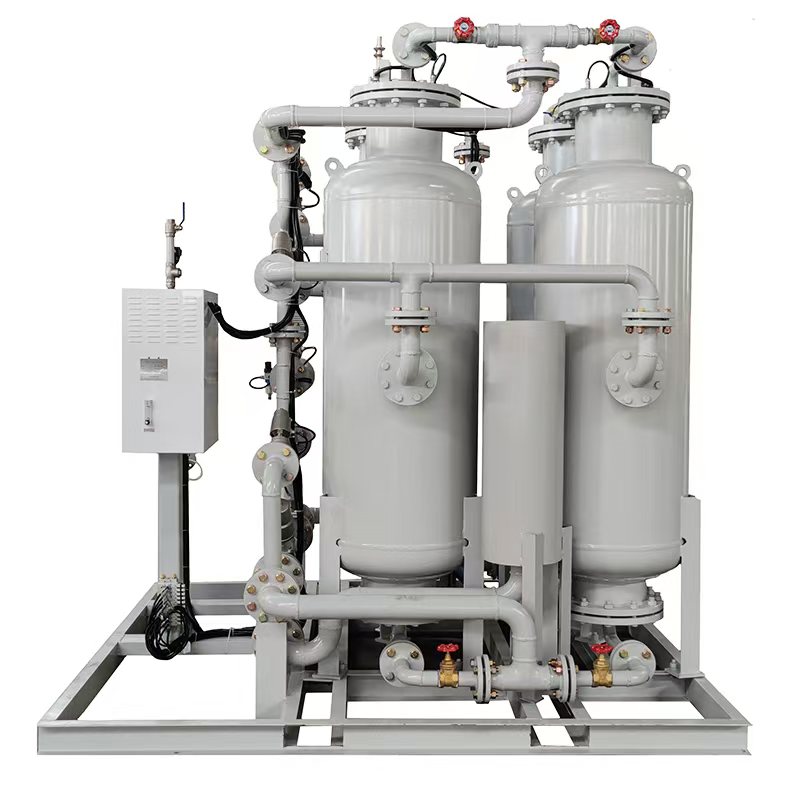
Stable supply and high reliability: the core advantages of industrial nitrogen generators
In the industrial production process, the stability of gas supply and the reliability of equipment are crucial to the continuous operation of the production line. Industrial nitrogen generators provide reliable nitrogen supply solutions for all walks of life with their excellent stability and high reliability. This article will explore in depth the technical advantages of nitrogen generators in terms of stable supply and high reliability.
1. Continuous and stable nitrogen supply
Industrial nitrogen generators ensure the continuity and stability of nitrogen supply through advanced technology:
Real-time adjustment and load adaptation: The nitrogen generator is equipped with an intelligent control system that can monitor nitrogen demand in real time and automatically adjust the operating status of the equipment. This real-time adjustment function enables the equipment to quickly respond and adjust nitrogen output according to changes in actual production load, ensuring the stability of nitrogen supply and maintaining stable gas output even in the case of demand fluctuations.
Redundant design: Many nitrogen generator systems are designed with redundant functions to prevent supply interruptions caused by single component failures. For example, the equipment may be equipped with multiple parallel compressors and separation units. When one component fails, the other components can continue to work normally to ensure that the nitrogen supply is not affected.
Automatic switching and backup systems: To further ensure the stability of supply, nitrogen generator systems usually include backup equipment and automatic switching functions. When the main equipment fails or requires maintenance, the backup system can automatically start to ensure that the production process is not affected.
2. High reliability equipment design
The high reliability of nitrogen generators is one of the key factors for their widespread use in industrial applications:
High-quality materials and components: Industrial nitrogen generator use high-quality, durable materials and components, and undergo rigorous manufacturing and testing processes to ensure that the equipment can operate stably in harsh industrial environments. These materials generally have excellent corrosion resistance, high temperature resistance and mechanical strength, and can cope with long-term high-load operation.
Reliable technology and process: The design and manufacturing process of nitrogen generators follows strict technical standards and process requirements. Modern equipment usually uses computer simulation and test verification to ensure that each system component performs well in actual use. During the production process, the equipment will undergo comprehensive performance testing and quality inspection to ensure its reliability in actual applications.
Comprehensive safety system: Nitrogen generators are equipped with comprehensive safety systems, including functions such as pressure protection, temperature monitoring and gas leak detection. These safety systems can promptly identify and handle potential safety hazards, prevent equipment failures from affecting production, and ensure the safety of operators and the production environment.
3. Long life and low maintenance requirements
The high reliability of nitrogen generators is also reflected in their long-term operational stability and low maintenance requirements:
Long-term durability: The design and material selection of the equipment take into account the needs of long-term use. Many nitrogen generators use advanced technology and structural design to reduce the frequency of wear and failure, thereby extending the service life of the equipment.
Reduce maintenance frequency: High-reliability nitrogen generators usually have low maintenance requirements. The design of the equipment takes into account the convenience of easy maintenance and replacement of parts. Operators can quickly perform routine maintenance and necessary repairs, reducing equipment downtime.
4. Maintenance and support services
High-reliability nitrogen generators not only focus on reliability during design and manufacturing, but also provide comprehensive maintenance and support services:
Technical support: Many manufacturers provide comprehensive technical support, including on-site service, remote diagnosis and online consultation. The technical support team can respond quickly to customer needs and provide professional solutions to ensure that the equipment can quickly resume normal operation.
Training and guidance: In order to ensure that operators can master the operation and maintenance of equipment, many manufacturers also provide training and guidance services. These trainings include equipment operation manuals, operation videos and on-site training to help operators understand the working principle and maintenance points of the equipment and improve the efficiency and reliability of the equipment.
5. Guarantee the continuity of the production line
Stable nitrogen supply and high reliability design are essential for the continuity of the production line:
Minimize production interruptions: High-reliability nitrogen generators can effectively reduce the possibility of production line interruptions. By ensuring the stability of nitrogen supply and the high reliability of equipment, enterprises can maintain the continuous operation of the production line and avoid production stoppages caused by gas supply problems, thereby improving production efficiency and economic benefits.
Optimize production processes: Stable nitrogen supply and high-reliability equipment help enterprises optimize production processes, reduce production bottlenecks caused by gas supply problems, and improve the overall stability and consistency of the production process.
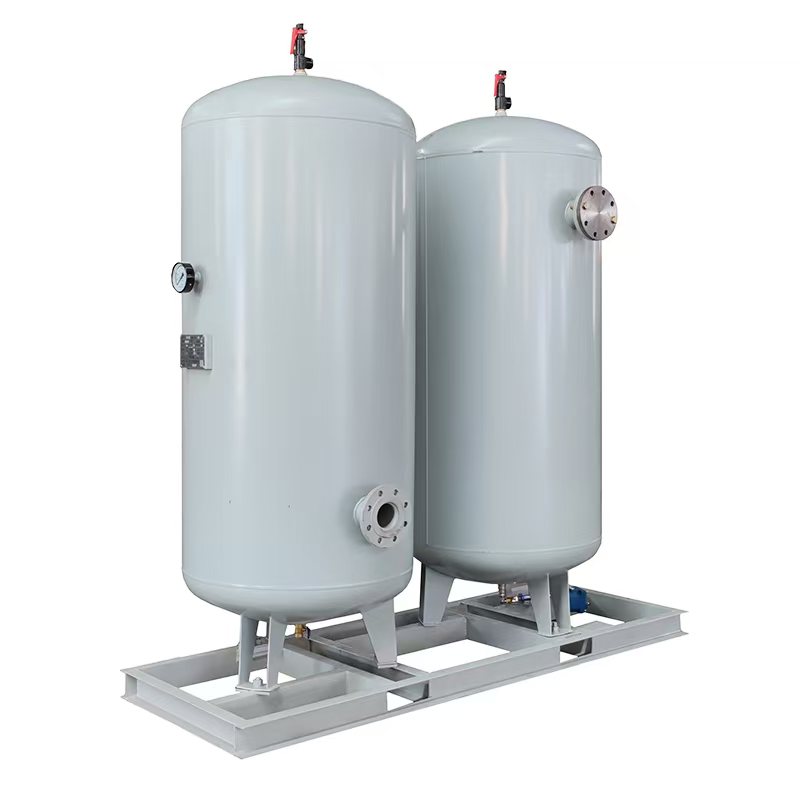
Environmentally Friendly: The Green Advantages of Industrial Nitrogen Generators
Against the background of increasing global environmental awareness, the environmental friendliness of industrial production equipment has received increasing attention. As an important piece of equipment in modern gas supply systems, industrial nitrogen generators are environmentally friendly not only in reducing energy consumption, but also in reducing other potential impacts on the environment. This article will deeply explore the technical advantages and practical results of nitrogen generators in environmental protection.
1. Reduce carbon footprint
Industrial nitrogen generators excel in reducing carbon footprints:
Reduced energy consumption: Compared with traditional nitrogen supply methods (such as liquid nitrogen transportation or high-pressure gas cylinders), nitrogen generators significantly reduce energy consumption by producing nitrogen on-site. The production and transportation of liquid nitrogen consumes huge amounts of energy and involves large amounts of carbon dioxide emissions. The nitrogen generator generates nitrogen on site, avoiding the storage and transportation process of liquid nitrogen, thereby reducing overall energy consumption and carbon emissions.
High-efficiency utilization: The high-efficiency separation technology used in the nitrogen generator (such as pressure swing adsorption (PSA) and membrane separation technology) can maximize the production efficiency of nitrogen and reduce energy waste. For example, PSA technology reduces dependence on high-energy-consuming equipment by optimizing the adsorption process, further reducing the energy consumption and carbon footprint of the system.
2. Reduce waste and by-products
Nitrogen generators produce minimal waste and by-products during operation, effectively reducing environmental impact:
No waste liquid by-products: Unlike the waste that can be generated during the storage and transportation of liquid nitrogen, nitrogen generators produce no waste liquid by-products during the production process. This design reduces waste disposal complexity and environmental burden.
Zero gas leakage: Modern nitrogen generators adopt strict gas sealing technology to ensure that gas does not leak into the environment. Through effective gas recovery and treatment systems, equipment can reprocess or recycle waste gases or by-products to avoid negative impacts on the environment.
3. Noise control
Noise pollution is an important environmental impact of industrial equipment. The nitrogen generator has also been optimized in terms of noise control:
Low-noise operation: Many modern nitrogen generators incorporate advanced noise reduction technology to ensure that the equipment operates with low noise levels. The low-noise design not only improves the comfort of the operating environment, but also reduces noise pollution to the surrounding environment.
Sound-insulating materials: Sound-insulating materials are often used in the casing and internal structure of the device, further reducing noise levels. This design effectively reduces the impact of noise on operators and the surrounding community.
4. Save resources
Nitrogen generators reduce the need for natural resources through efficient use of resources:
Reduce resource waste: The nitrogen generator’s efficient production capacity and optimized design reduce resource waste in nitrogen production and use. The equipment’s intelligent control system can accurately adjust nitrogen production volume and quality to ensure optimal utilization of resources.
Avoid the consumption of gas bottles and liquid nitrogen: Traditional gas supply methods such as high-pressure gas bottles and liquid nitrogen tanks require a large amount of raw materials and energy for production and transportation, while nitrogen generators produce nitrogen on site, thus reducing the consumption of these resources .
5. Comply with environmental regulations
Many nitrogen generators are designed and operated to adhere to strict environmental regulations and standards:
Environmental certification: Many nitrogen generators have obtained environmental certifications such as ISO 14001, proving that their design and production processes comply with international environmental standards. These certifications indicate that the environmental impact of equipment during production, use and maintenance has been controlled to a minimum.
Compliance and continuous improvement: Nitrogen generator manufacturers generally comply with relevant environmental regulations and are committed to continuously improving their environmental protection technologies and management measures to meet increasing environmental protection requirements.
6. Carbon trading and emission reduction
The environmental protection characteristics of nitrogen generators also provide support for companies in carbon trading and emission reduction:
Carbon emission reduction certificate: Enterprises can reduce carbon emissions by using nitrogen generators and obtain corresponding carbon emission reduction certificates. These certifications not only help companies fulfill their environmental commitments, but may also bring financial incentives, such as emission reduction credits and rewards.
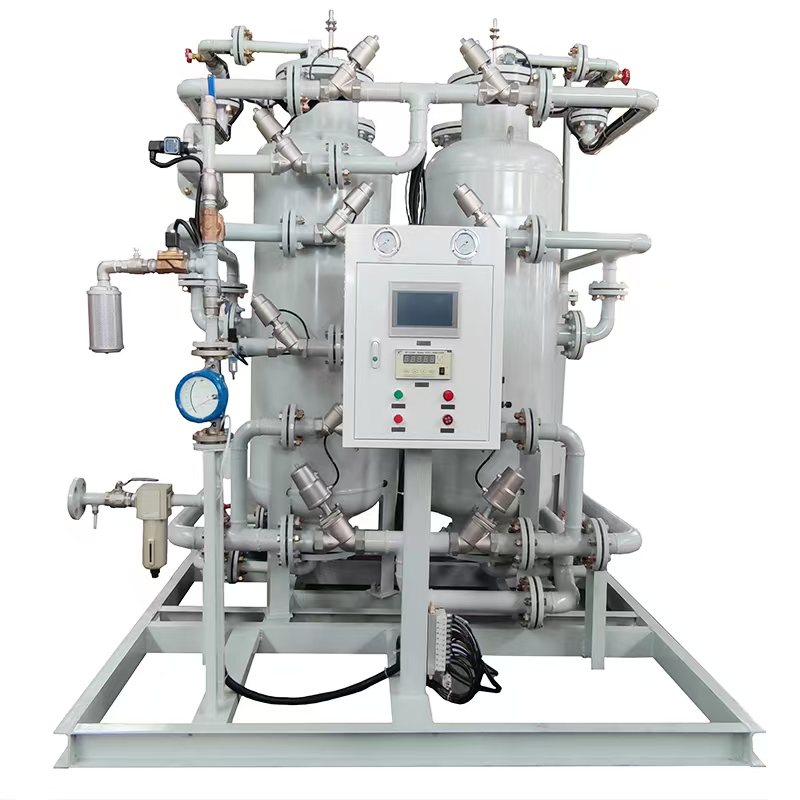
Significant economic benefits
From an economic perspective, industrial nitrogen generator have significant cost advantages over traditional gas supply methods. Although the initial investment may be high, over the long term, companies can obtain considerable returns on investment by reducing gas purchase costs and energy consumption. As technology advances and equipment becomes more popular, the cost-effectiveness of nitrogen generators will further increase.
Summary
Industrial nitrogen generator are becoming an important choice for modern industrial gas supply due to their technical advantages such as high efficiency and energy saving, flexible purity control, automated intelligence, stability and reliability, environmental protection, low noise and convenient maintenance. It not only improves the reliability and economy of nitrogen supply, but also provides more optimized solutions for various industrial applications. With the continuous advancement of technology, nitrogen generators will play an important role in more industries and promote the sustainable development and innovation of industrial production.
Request a Quick Quote Now
Shanghai Sollant Energy Saving Technology Co., Ltd.
Drawing on our years of experience and expertise in air separation and PSA technologies, we deliver customized solutions tailored to your specific needs.
