
In-depth analysis of energy-saving technology of oilfield oil well gas compressors
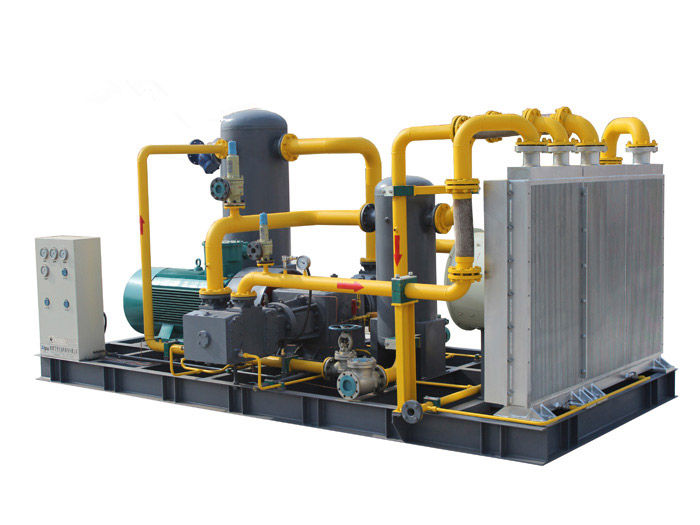
In the modern oil and gas production and processing process, oilfield oil well gas compressors play a pivotal role. They are widely used in natural gas gathering and transportation, pressurization, associated gas recovery, gas injection and gas treatment. However, with the continuous expansion of oilfield production scale and the continuous rise of energy costs, the energy consumption problem of oilfield gas compressors has become increasingly prominent. The high operating cost not only squeezes the profit space of oilfields, but also runs counter to the green and low-carbon development concept advocated by the world. Therefore, in-depth research and application of energy-saving technology of oilfield oil well gas compressors is not only an inevitable choice to reduce production costs and improve economic benefits, but also the key to achieving sustainable development and building environmentally friendly oilfields. This article will start with the basic working principle of the compressor, analyze the necessity and challenges of energy saving, analyze various energy-saving technologies in detail, and provide a selection strategy for high-efficiency and energy-saving compressors, in order to contribute to the sustainable development of the oil and gas industry.
Basic working principle and energy consumption characteristics of oilfield oil well gas compressors
The core function of oilfield oil well gas compressors is to boost low-pressure, low-energy gas to a high-pressure, high-energy state that meets process requirements. Its working mechanism can be roughly divided into two categories, volumetric and velocity types, based on different compression principles. Each type has unique structural characteristics, operating characteristics, and applicable scope in oil and gas field applications, and also corresponds to different energy consumption characteristics.
Volumetric compressor: precise displacement, forced pressure increase
Volumetric compressors periodically seal a certain volume of gas through a mechanical device, and then force the gas pressure to increase by reducing the sealed volume. Its notable features are relatively stable exhaust volume (affected by speed), usually high exhaust pressure, and strong adaptability to changes in gas composition and medium (such as liquid and impurities), and good reliability under complex working conditions in oil fields.
Reciprocating compressor: As one of the oldest and most mature types of oil field natural gas compressors, the working principle of the reciprocating compressor is similar to that of an internal combustion engine. It uses a crank-connecting rod mechanism to drive the piston to reciprocate in a precision-machined cylinder. When the piston is pulled outward, negative pressure is formed, sucking in low-pressure oil well gas; when the piston is pushed inward, the gas is gradually compressed until the pressure reaches the preset value and is discharged through the exhaust valve. Reciprocating compressors are favored for their excellent pressure adaptability (up to ultra-high pressure) and wide flow adjustment range, and can handle various complex media including wet gas and acid gas. Its advantages are high single-stage compression ratio and relatively stable efficiency. However, its inherent disadvantages are also prominent: there are many parts (such as piston rings, valve plates), and the inertia force of moving parts causes large vibration and noise; the cleanliness requirements of the medium are high, and the wearing parts need to be replaced regularly, and the maintenance workload is large; and the exhaust is pulsating, and a buffer tank is often required to stabilize the flow field. In oilfield applications, reciprocating compressors are often used for gas lift production increase, high-pressure gas injection, long-distance pipeline pressurization, and natural gas gathering and transportation occasions with low gas purity requirements, especially under high-pressure and low-flow conditions. It is still the first choice. Its energy consumption characteristics are manifested in that when it deviates from the design operating point, the efficiency drops significantly, especially under partial load, the energy efficiency performance is poor.
Screw compressor: Screw compressor is a modern volumetric compressor whose popularity in the oil field has increased rapidly in recent years. It uses the precisely meshed yin and yang spiral rotors to rotate at high speed in a special cavity, and realizes gas compression through the periodic change of the screw groove volume (intake, compression, exhaust). The gas enters the screw groove from the suction port, and as the rotor rotates, the screw groove volume gradually decreases, the gas is continuously and steadily compressed, and finally discharged from the exhaust port. Screw compressors have many advantages: compact structure, small size; stable operation, low vibration and noise; continuous exhaust, no pulsation; no need for lubricating oil (dry screw machine) or excellent separation of lubricating oil and gas (oil injection screw machine), pure compressed air/gas can be obtained; the efficiency attenuation is relatively small when running at partial load, and it is easy to realize frequency conversion control. In oil fields, screw compressors are widely used in the fields of associated gas recovery, gas gathering station boosting, compressed air supply and process gas transportation, especially for medium and low pressure occasions that require continuous and stable gas supply and fluctuating working conditions. Its energy consumption characteristics respond well to variable frequency speed regulation and have a wide range of efficient operation.
Speed compressor: kinetic energy conversion, high-speed boost
Speed compressor converts mechanical energy into kinetic energy of gas through high-speed rotating impeller, and then efficiently converts kinetic energy into pressure energy in diffuser or volute. It is characterized by large flow, compact structure and smooth operation, and is particularly suitable for large-scale and continuous gas processing.
Centrifugal compressor: Centrifugal compressor is the “main force” of large natural gas processing plants in oil fields and long-distance pipeline booster stations. The gas enters the high-speed rotating impeller from the axial direction. Under the action of strong centrifugal force, the gas is accelerated radially and thrown to the periphery of the impeller, and the kinetic energy increases sharply. Subsequently, the gas enters the diffuser, the flow rate decreases, and the kinetic energy is efficiently converted into pressure energy, and finally discharged through the volute. Multi-stage series connection can achieve higher pressure increase. Centrifugal compressors have the advantages of large single-machine flow, stable and reliable operation, no pulsation, and easy to realize automatic control. However, its disadvantage is that it is relatively poor in adaptability to changes in operating conditions. When the flow rate is lower than a certain design value, dangerous “surge” phenomenon is prone to occur, requiring a complex anti-surge control system. Its energy consumption characteristics are characterized by the highest efficiency near the design operating point. When it deviates from the design point, the efficiency drops rapidly, especially in the small flow area. In oil fields, it is mainly used in key occasions such as large-scale natural gas gathering and transportation, natural gas liquefaction, and gas desulfurization that require large flow and stable gas supply.
Axial flow compressor: Axial flow compressors are speed-type compressors like centrifugal compressors, but their gas flow direction is parallel to the impeller axis. It consists of multiple stages of moving blades (rotors) and stationary blades (stators). The gas obtains kinetic energy under the action of the moving impeller, and then converts the kinetic energy into pressure energy in the stationary impeller to achieve step-by-step pressure increase. Axial flow compressors usually have higher single-stage flow and efficiency, and are especially suitable for occasions with ultra-large flow and low pressure rise. However, its structure is complex, with high requirements for manufacturing precision, and its adaptability to operating conditions is worse than that of centrifugal compressors, making it more prone to surge. In the oil field, axial flow compressors are relatively rarely used, mainly in ultra-large natural gas processing projects or long-distance pipeline booster stations with extremely high efficiency requirements.
Understanding the working principles of various oil field oil well gas compressors and their inherent advantages and limitations is the basis for energy-saving technology selection and system optimization design. For example, the efficiency of reciprocating compressors decreases significantly under partial load, while screw and centrifugal compressors are more suitable for variable frequency regulation, which is directly related to the operating energy consumption of oil field compressors.
The necessity and challenges of energy saving in oil field oil well gas compressors

Against the background of profound changes in the current global energy structure and the in-depth promotion of the “dual carbon” strategy, the energy efficiency improvement of oil field oil well gas compressors is no longer a simple cost control issue, but a strategic issue related to the survival and development of oil and gas companies, national energy security and global climate governance.
The necessity of energy saving in oilfield oil well gas compressors
Core driver: Reducing huge operating costs and maximizing economic benefits: The energy consumption of oilfield oil well gas compressors occupies a pivotal position in the total energy consumption of oil and gas fields, and its electricity consumption is the “big head” of daily operating costs. In the macro environment where international oil prices fluctuate violently and domestic electricity prices continue to rise, the electricity expenses of compressors directly affect the profit margins of oil and gas companies. Implementing oilfield oil well gas compressor energy-saving technology directly reduces this part of rigid expenditure, which is like “reducing the burden” on enterprises, thereby significantly improving the profitability and core competitiveness of oil and gas fields. In the long run, the cumulative benefits brought by energy saving are extremely considerable and are crucial to the sustainable development of enterprises.
Strategic compliance: responding to the “dual carbon” goal and fulfilling corporate social responsibility: China has solemnly promised the world the grand goal of “carbon peak and carbon neutrality”, and energy conservation and emission reduction are the cornerstone path to achieve this goal. As a traditional high-energy-consuming industry, the energy consumption and greenhouse gas emissions of oil and gas fields directly affect the total carbon emissions of the region and even the country. By improving the energy efficiency of oilfield oil well gas compressors, enterprises can effectively reduce electricity consumption, thereby reducing the associated carbon emissions, actively respond to the call of national policies, fulfill social responsibilities as large energy companies, and establish a green and environmentally friendly corporate image. This not only helps enterprises gain government support and public recognition, but also actively contributes to the global sustainable development trend.
Empowering equipment: Improving operational reliability and extending asset service life: Optimizing the operating parameters of oilfield oil well gas compressors so that they can operate under more efficient and stable conditions often means lower operating temperatures, smaller mechanical friction losses, and smoother load impacts. For example, variable frequency speed regulation operation can significantly reduce the frequent start and stop and transient impacts of equipment, and reduce the wear rate of key components such as bearings, seals, and valve groups. This can not only effectively reduce the failure rate of equipment and reduce unplanned downtime, thereby reducing maintenance frequency and high maintenance costs, but also significantly extend the overall service life of oilfield oil well gas compressors and their supporting facilities (such as drive motors, cooling systems, and pipelines), and reduce the total life cycle ownership cost (TCO). The improvement of reliability and life directly improves the production efficiency and stability of oil and gas fields.
Challenges of Energy Saving in oilfield oil well gas compressors
Although the necessity of energy saving in oilfield oil well gas compressors is unquestionable, we still face a series of complex and severe challenges in the actual promotion process, which require us to adopt more comprehensive and targeted solutions.
Extreme complexity and dynamic variability of oilfield operating conditions: The pressure, flow rate and composition of oilfield gas sources are not static, but are affected by multiple factors such as formation pressure depletion, water injection/gas oil recovery effect, seasonal temperature changes, production strategy adjustments (such as intermittent production, block rotation), and associated gas component fluctuations (such as CO2, H2S, heavy hydrocarbon content changes), showing complex and dynamic characteristics. This “non-constant” operating condition makes it difficult for oilfield oil well gas compressors to operate at the optimal design point (i.e., the highest efficiency point) for a long time. When the operating conditions deviate from the design point, the compressor efficiency will drop significantly, resulting in a lot of energy waste. How to adapt to this complexity and variability is the key challenge of energy saving.
Energy efficiency bottlenecks of existing equipment and the difficulty of transformation: Many oil and gas fields’ oil well gas compressor equipment has been in service for many years, and generally has relatively outdated technology, backward design concepts, and manufacturing processes that are not in line with modern high-efficiency energy-saving standards. These old equipment are usually accompanied by problems such as low efficiency, severe mechanical wear, and backward control systems. Energy-saving transformation not only involves high initial investment, but also may face challenges such as equipment compatibility, long shutdown and transformation time, and uncertain transformation effects. In some extreme cases, it is even necessary to consider the difficult decision of “scrapping old machines and purchasing new ones”, which requires careful economic analysis.
Accurate evaluation of investment payback period and economic benefits: oilfield oil well gas compressor energy-saving technology transformation usually requires considerable investment, and companies must conduct a strict evaluation of the investment payback period (ROI) before making decisions. How to balance initial investment and long-term benefits and ensure that energy-saving projects have an attractive return on investment is an important factor that management needs to weigh. In addition, the quantification of the effects of certain energy-saving measures (such as waste heat recovery and intelligent optimization) is relatively complex, which increases the difficulty and uncertainty of economic benefit evaluation.
In-depth analysis of high-efficiency energy-saving technology for oilfield oil well gas compressors
Facing the complex challenges in the operation of oilfield oil well gas compressors, energy-saving technology is not an isolated single solution, but a comprehensive and systematic project covering multiple dimensions such as equipment selection, operation control, system integration and management strategy.
Selection of high-efficiency compressors and system optimization matching: source control, double benefits
Energy saving starts with design and selection. In the initial selection stage of oilfield oil well gas compressors, the concept of energy saving must be carried through to lay the foundation for efficient operation in the later stage.
Accurate selection and adaptability to working conditions: Accurately evaluate according to the actual working condition data of the oilfield gas source, including key parameters such as flow range (minimum, average, maximum value and its duration), inlet and outlet pressures, gas components (especially corrosive gases such as H2S, CO2, water vapor content), ambient temperature, altitude, etc. Make it clear whether there are special working conditions such as flow fluctuations and intermittent operation. These data will directly determine the type of oilfield oil well gas compressor (reciprocating, screw, centrifugal), number of stages, transmission mode and main material selection. For example, for natural gas gathering and transportation systems with large flow fluctuations, variable frequency screw compressors that can adapt to wide range flow changes or centrifugal compressors with inlet guide vane adjustment should be given priority. For the needs of high pressure, small flow and corrosive media, reciprocating compressors still have their unique advantages in material selection and seal design.
System optimization matching and energy balance: Oilfield oil well gas compressors do not operate in isolation. They form a complex energy conversion system together with suction filters, coolers, gas-liquid separators, dryers, gas pipelines and subsequent gas equipment. Energy saving should not only focus on the efficiency of the compressor itself, but also optimize the overall system level to achieve cascade utilization of energy and minimize losses.
Gas pipeline network optimization: Reasonably plan the direction of the pipeline network, avoid unnecessary elbows and valves, reduce the length of the pipeline, and select the most optimized pipe diameter to significantly reduce flow resistance and pressure loss. For every 0.01MPa (about 0.15 psi) reduction in the pressure drop of the pipeline network, the energy consumption of the oilfield oil well gas compressor may be reduced by about 0.5%~1%, which is a significant benefit.
System leakage control: Regularly and thoroughly inspect and maintain all pipeline connection points, valves, flanges, instrument interfaces, etc., and plug any tiny leaks in time. Oilfield gas leakage is a huge invisible waste of energy, and the long-term cumulative losses are extremely alarming. Implementing a strict leak detection and repair (LDAR) program is particularly important for associated gas recovery and natural gas gathering and transportation systems.
Cooling system optimization and thermal management: Ensure that the heat exchange efficiency of the cooler (air cooler, water cooler) is always in the best state, regularly clean dirt, scaling and blockage, and ensure the flow and temperature of the cooling medium, thereby effectively reducing the temperature of the gas entering the next stage of compression and reducing the compression work. The use of efficient cooling technology and intelligent cooling control systems is also an important part of energy saving.
Pressure setting optimization: Under the premise of strictly meeting the minimum pressure required by the oilfield production process, try to reduce the exhaust pressure setting value of the oilfield oil well gas compressor. According to experience, every 0.1 MPa (about 14.5 psi) reduction in exhaust pressure can bring about 5%~8% of significant energy savings. By establishing a dynamic pressure management system and adjusting the pressure according to real-time gas demand, further energy saving can be achieved.
Variable frequency speed regulation technology: precise response, on-demand gas supply
Variable frequency speed regulation is one of the most mature, widely used and energy-saving technologies in the field of oilfield oil well gas compressors, especially suitable for working conditions with large fluctuations in oilfield gas sources.
Core principle: The inverter changes the power frequency and voltage supplied to the AC motor through advanced power electronics technology, thereby achieving precise stepless control of the drive motor speed. For centrifugal compressors and screw compressors, the exhaust volume is approximately linearly related to the speed, while the power consumption is approximately proportional to the cube of the speed (fan-pump load characteristics).
Significant energy-saving effect: When the demand for oilfield gas decreases, the inverter can automatically reduce the speed of the oilfield oil well gas compressor, thereby directly reducing the exhaust volume and significantly reducing energy consumption. Compared with traditional throttling regulation (reducing pressure and flow by closing valves to block air flow, but the motor still runs at full speed, with extremely low efficiency) or unloading regulation (no-load operation, high energy consumption), variable frequency speed regulation can make oilfield oil well gas compressors always run in the high-efficiency range, and energy consumption can be saved by 20% or even higher. Under the condition of oilfield operation with a long partial load time, the energy saving effect is particularly prominent, and the investment payback period is short.
Application prospects: widely used in the drive of screw air compressors, process gas compressors and large centrifugal natural gas compressors in oilfields. For the existing fixed-frequency compressors in service in oil and gas fields, adding frequency converters to transform the electrical control system has become a common means of energy saving and consumption reduction.
Waste heat recovery technology: turning waste into treasure, green efficiency
During the operation of oilfield oil well gas compressors, 70%-90% of the input electrical energy will eventually be converted into heat energy and dissipated. If this huge “waste heat” is directly discharged, it will undoubtedly be a huge waste of energy.
Sources of heat energy: mainly including the high-temperature heat of the oilfield oil well gas compressor lubricating oil, the heat taken away by cooling water (or cooling air), and the sensible heat of the high-temperature gas after compression.
Diversified recovery methods and applications:
Hot water supply: Use high-efficiency heat exchangers to recover the heat generated by the oilfield oil well gas compressor, which is used to heat domestic hot water, heating or hot water required for oil and gas field production auxiliary systems, replacing gas/oil boilers, and directly saving fuel costs.
Crude oil preheating: In the oilfield environment, the recovered heat can be used to preheat high-viscosity crude oil and reduce its viscosity, thereby significantly reducing the energy consumption of the crude oil delivery pump, improving the efficiency of crude oil gathering and transportation, and reducing the risk of winter transportation.
Drive absorption refrigeration: In summer or when the oilfield process needs to be cooled, the waste heat of the oilfield oil well gas compressor can be used to drive the lithium bromide absorption refrigeration unit to generate cold water for process cooling or office area air conditioning, realizing the cascade and efficient utilization of energy.
Air or fuel preheating: Recover heat to preheat the combustion air or fuel of the boiler or heating furnace, improve combustion efficiency, and reduce fuel consumption.
Organic Rankine cycle (ORC) power generation: For the waste heat of oilfield oil well gas compressors with higher temperatures, the ORC system can be used to convert the waste heat into electricity to achieve waste heat power generation, further improving the energy utilization efficiency and self-sufficiency rate of oil and gas fields.
Comprehensive benefits: The waste heat recovery of oilfield oil well gas compressors not only directly saves traditional energy consumption, reduces greenhouse gas emissions such as CO2, but also improves the working environment of the compressor room. It has significant economic and environmental benefits and is an important part of green oilfield construction.
How to scientifically select efficient and energy-saving oilfield oil well gas compressors
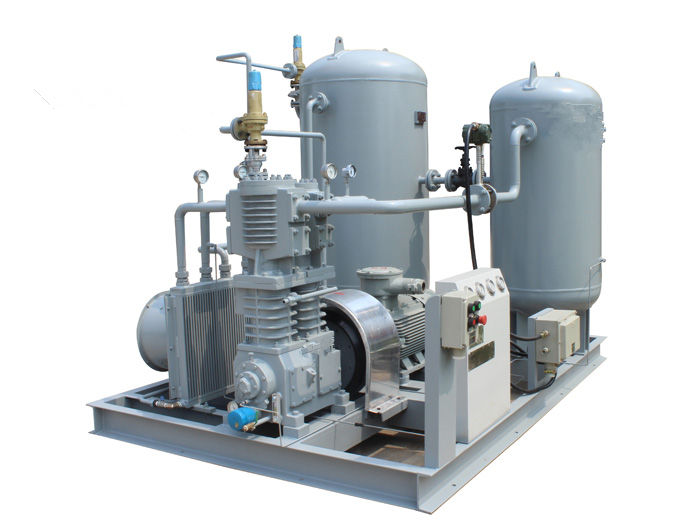
To select a truly efficient and energy-saving oilfield oil well gas compressor, we must not just stay at the equipment purchase price, but need to abandon the concept of “price only” and adopt the life cycle cost (LCC) analysis method to comprehensively consider the following key factors to ensure the best energy saving and consumption reduction benefits.
In-depth analysis and precise matching of oilfield working conditions:
This is the basis for selecting the right oilfield oil well gas compressor and the prerequisite for achieving energy saving. Detailed on-site investigation and data analysis must be carried out to fully understand the key operating parameters of the oilfield gas source, such as the flow range (minimum, average, maximum and their duration), inlet and outlet pressures, gas composition (especially corrosive gases such as H2S, CO2, water vapor content, and the possible presence of heavy hydrocarbons and liquid hydrocarbons), ambient temperature (extremely low and high temperatures), altitude, power supply conditions, etc. It is necessary to clarify whether there are special operating conditions such as flow fluctuations, intermittent production, and seasonal load changes. These precise data will directly determine the type of oilfield oil well gas compressor (reciprocating, screw, centrifugal), number of stages, transmission mode, main material selection (such as stainless steel, special alloys), and necessary explosion-proof grade. For example, if the H2S content in the oilfield natural gas is high, special materials and sealing structures that are resistant to hydrogen sulfide corrosion must be selected; if the flow fluctuation is large, variable frequency screw compressors or centrifuges with variable frequency drives and guide vane adjustment will have more energy-saving advantages.
Strictly examine energy efficiency indicators and core technical parameters:
When selecting equipment, do not only focus on the nameplate power of the oilfield oil well gas compressor, but also deeply analyze its core energy efficiency indicators:
Specific Power: This is the most critical indicator for measuring the energy efficiency of oilfield oil well gas compressors. It refers to the input power consumed per unit exhaust volume under a specific exhaust pressure (usually expressed in kW/m³/min, kW/(m³/min·bar) or kWh/1000m³). The lower the specific power, the higher the energy efficiency of the oilfield oil well gas compressor. Suppliers should be required to provide specific power curves or detailed test data under different load conditions.
Motor efficiency level: Permanent magnet synchronous motors (PMSM) or ultra-high efficiency asynchronous motors that meet national or international first-level energy efficiency standards (such as China Energy Efficiency Level 1, EU IE3 or IE4) are preferred. These motors use more advanced technologies in design and manufacturing, which can significantly reduce power loss.
No-load/unload loss and loaded energy consumption: Understand the actual power consumption of oilfield oil well gas compressors under no-load, loaded and unloaded conditions. Especially in oilfield conditions where the partial load operation time is long, the ratio of no-load and unloading energy consumption will significantly affect the overall operating cost, so these indicators are particularly important.
Adjustment method and range: Understand the flow adjustment method and adjustment range of oilfield oil well gas compressors. Variable frequency speed regulation is currently recognized as the most energy-saving adjustment method and should be given priority. If throttling or unloading regulation is used, its energy efficiency performance under partial load needs to be evaluated.
Waste heat recovery potential: Ask the supplier whether it can provide a mature waste heat recovery solution for oilfield oil well gas compressors, as well as the specific parameters of its recovery efficiency and recoverable heat. This is crucial to achieving comprehensive energy efficiency improvement in oil and gas fields.
Conclusion
In summary, the high efficiency and energy saving of oilfield oil well gas compressors is not only the inherent demand of oil and gas enterprises to improve economic benefits, but also the inevitable choice to respond to the national “dual carbon” goal, build green oil fields, and promote the sustainable development of the oil and gas industry. It is not a single measure that can be achieved overnight, but a systematic and strategic project covering multiple levels such as precise selection, variable frequency speed regulation, waste heat recovery, intelligent control, system optimization and refined maintenance.
Although the energy saving of oilfield oil well gas compressors faces many challenges such as complex oil and gas field conditions, aging of existing equipment and initial investment, with the rapid development of science and technology and the popularization of energy management concepts, by adopting advanced oilfield oil well gas compressor energy saving technology, implementing scientific full life cycle cost analysis, and choosing reliable partners, oilfield enterprises can significantly reduce operating costs and carbon emissions, and ultimately achieve a “win-win” of economic and environmental benefits.
Looking to the future, with the deep integration of cutting-edge technologies such as industrial Internet of Things (IIoT), big data, artificial intelligence (AI) and digital twins in oil and gas fields, the energy saving of oilfield oil well gas compressors will move towards a new stage of greater intelligence, refinement and integration. By building an intelligent oilfield energy management system, we can achieve “intelligent” operation and optimization of oilfield oil well gas compressors, inject strong impetus into the sustainable development of the oil and gas industry, and jointly open a new era of green oilfields.
Request a Quick Quote Now

Shanghai Sollant Energy Saving Technology Co., Ltd.
Drawing on our years of experience and expertise in air separation and PSA technologies, we deliver customized solutions tailored to your specific needs.
