
5 key measures to improve the performance of natural gas compressors
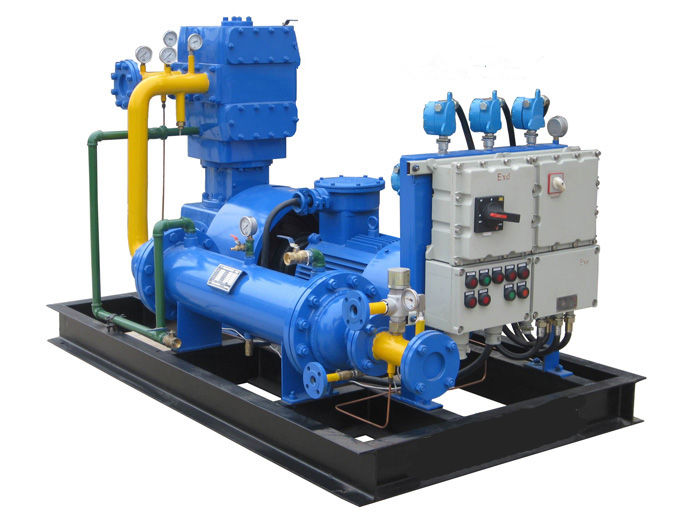
Today, as the global energy structure is transforming and clean energy is increasingly sought after, natural gas, as an efficient and environmentally friendly fossil fuel, has become increasingly strategic. As the core equipment that connects all aspects of natural gas from mining, transportation, storage to final utilization, the operating efficiency and reliability of natural gas compressors are directly related to the smoothness and economic benefits of the entire industrial chain. A high-performance natural gas compressor can not only significantly reduce operating costs and improve energy utilization, but also play a key role in meeting increasingly stringent environmental regulations.
Faced with the ever-changing energy market and technical challenges, how to systematically improve the comprehensive performance of natural gas compressors has become an urgent issue in the industry. This article will deeply analyze and reveal to you the five core strategies for improving the performance of natural gas compressors, from daily operation and maintenance to high-end intelligent control, aiming to provide practitioners in the natural gas industry with a reference with practical guidance significance, and jointly promote the industry towards a more efficient and greener future.
Key Strategy 1: Refined Regular Maintenance and Inspection – Securing the “Lifeline” of Natural Gas Compressors
For any industrial equipment, a sound maintenance system is the cornerstone of its longevity and efficient operation, especially for natural gas compressors that carry high-pressure, flammable media. Refined regular maintenance and inspection is not only a “vaccine” for failures, but also a “mitigator” for performance degradation. It can effectively identify potential hidden dangers and prevent small problems from causing major failures, thereby maximizing the availability and operating efficiency of natural gas compressors.
Establish a maintenance cycle plan based on working conditions:
A scientific and reasonable maintenance plan should fully consider the model, operating hours, load rate, environmental conditions and professional recommendations of the natural gas compressor. The plan should cover all levels from daily inspections, weekly routine inspections, monthly minor repairs to annual overhauls. For example, daily inspections can focus on the oil level, coolant level, operating noise and vibration abnormalities of natural gas compressors; monthly inspections may involve cleaning or replacement of air filters and oil-gas separators; and annual overhauls require comprehensive disassembly, inspection and wear assessment of core components of natural gas compressors such as cylinders, valve plates, bearings, etc., and necessary component replacement or repair.
Lubrication system: Heart care of natural gas compressors:
The quality and supply of lubricating oil are the key to determining the life of moving parts inside natural gas compressors. Lubricating oils need to be regularly analyzed to monitor their viscosity, acid value, moisture content, wear particles and other indicators. For the specific working conditions of natural gas compressors, select matching synthetic or semi-synthetic lubricants and replace them in time according to the results of oil analysis. At the same time, be sure to check the working status of the oil pump and the smoothness of the oil circuit to ensure that the lubricating oil can accurately and adequately cover all friction pairs of the natural gas compressor to minimize friction and wear.
Filter system: “respiratory tract” and “blood purifier” of natural gas compressors:
The air filter, oil filter and oil-gas separator of natural gas compressors are like the “respiratory tract” and “kidney” of the equipment. The air filter is responsible for blocking foreign impurities from entering the cylinder of the natural gas compressor to avoid damage to the piston and cylinder wall; the oil filter ensures the cleanliness of the lubricating oil and prevents wear particles from circulating and damaging the bearings; the oil-gas separator needs to efficiently separate the compressed natural gas and lubricating oil. Once these filter elements are blocked or fail, they will directly lead to increased pressure drop and energy consumption of the natural gas compressor, and even more serious failures due to poor lubrication or decreased gas purity. Therefore, it is very important to regularly check and clean or replace the filter element in time according to the degree of pollution in the operating environment.
Transmission system: reliable transmission of power:
Whether it is a belt-driven or gear-driven natural gas compressor, the health of its transmission system directly affects the power transmission efficiency. The belt should be regularly checked for tension, wear and aging cracks. If it is too loose, it will slip, and if it is too tight, it will increase the bearing load; the gears need to pay attention to the meshing clearance, tooth surface wear and operating noise. Any transmission abnormality should be adjusted or replaced immediately to maintain the smooth operation of the natural gas compressor.
Valves and seals: Dual guarantee of efficiency and safety:
The intake valve, exhaust valve, and various shaft seals and gas seals of natural gas compressors are key barriers to maintain compression efficiency and prevent natural gas leakage. Long-term high-pressure and high-speed movement can cause valve components to wear and close loosely, or seals to age and lose elasticity, resulting in reduced compression efficiency and natural gas leakage, which not only causes energy loss, but also brings potential safety hazards. Be sure to check the integrity and functionality of these key components regularly, and make precise adjustments or timely replacements according to the wear conditions.
Vibration and noise monitoring: “early warning signs” of failures:
During the operation of natural gas compressors, abnormal vibration and noise are often early signs of internal component failures, such as bearing damage, rotor imbalance, loose components, or pipeline resonance. Through professional vibration analyzers and sound level meters, the vibration and noise baseline data of natural gas compressors are established, and periodic monitoring and trend analysis are carried out, which helps to find problems in the budding stage of failures, so as to take preventive measures and avoid sudden downtime.
Key Strategy 2: Optimize gas source quality – improve the purity of the “blood” of natural gas compressors
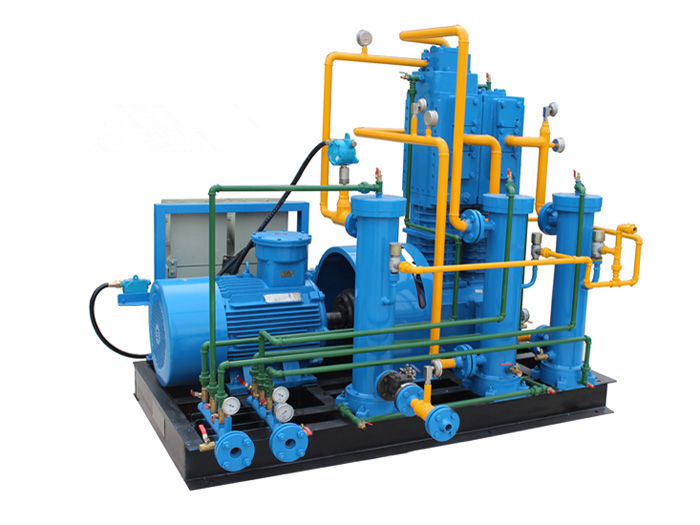
The quality of the original natural gas entering the natural gas compressor has a decisive impact on its subsequent compression efficiency, equipment wear rate and the quality of the final gas. Optimizing the quality of the gas source is a fundamental measure to protect the natural gas compressor, extend its service life and reduce operating costs.
Strictly control solid particles:
Untreated natural gas often contains fine solid particles, such as mud, pipeline corrosion products, dust, etc. These particles act like “abrasives” in high-speed airflow, causing irreversible erosion and wear on the cylinder, piston, valve plate and rotor of the natural gas compressor, accelerating the aging of components, and in severe cases, causing jamming or damage. Therefore, before the natural gas compressor intakes, a high-efficiency multi-stage filter must be installed, and the appropriate filtration accuracy must be selected according to the actual cleanliness of the gas source to ensure that the particles are effectively intercepted. Regular cleaning and replacement of the filter should also not be ignored.
Accurately manage moisture content:
Moisture is the number one enemy of natural gas compressors. During the compression process, water vapor in natural gas will condense into liquid water as the pressure increases. Liquid water combines with acidic gases such as hydrogen sulfide (H2S) and carbon dioxide (CO2) that may exist in natural gas to form corrosive acid liquid, which will cause serious electrochemical corrosion to metal parts inside the natural gas compressor, especially valve plates and cylinder walls. In addition, liquid water will dilute the lubricating oil and affect the lubrication effect; in low temperature environments, it may even form hydrates or ice blockages, blocking pipelines or damaging equipment. Therefore, efficient dehydration treatment at the front end of the natural gas compressor, such as the use of molecular sieve adsorption, ethylene glycol (TEG) absorption or low-temperature condensation separation, is a necessary condition to ensure the long-term stable operation of the equipment.
Effectively remove corrosive gases:
Common corrosive gases in natural gas include hydrogen sulfide (H2S) and carbon dioxide (CO2). Even at low concentrations, hydrogen sulfide can cause severe sulfide stress corrosion and pitting corrosion on carbon steel and stainless steel parts of natural gas compressors once water is present, resulting in reduced strength or even cracking of parts. Although carbon dioxide is relatively less corrosive, it can also form carbonic acid corrosion in high-pressure wet environments. Therefore, according to the results of natural gas component analysis, if necessary, desulfurization or decarbonization treatment should be carried out before the natural gas compressor enters the air intake, such as the amine liquid absorption method, to protect the natural gas compressor from corrosion.
Eliminate the risk of “liquid hammer” of liquid hydrocarbons:
Some natural gas sources may carry trace amounts of liquid hydrocarbons (such as condensate oil). Once these liquid hydrocarbons enter the high-speed natural gas compressor, especially in the piston compressor, they may cause “liquid hammer”. Liquid hammer is due to the incompressibility of liquid, which causes the piston or rotor to be suddenly subjected to a huge impact at the end of the compression stroke, which may damage the valve plate at the least, or cause the connecting rod to bend, the crankshaft to break or the cylinder to rupture, causing a devastating blow to the natural gas compressor. Therefore, setting an efficient gas-liquid separator at the front end of the natural gas compressor intake pipeline and draining the liquid regularly is a mandatory safety measure to prevent liquid hammer accidents.
Stabilize the gas source pressure and temperature:
The ideal natural gas compressor should operate under relatively stable intake pressure and temperature conditions. Severe fluctuations in gas source pressure will cause frequent loading/unloading of natural gas compressors, increase energy consumption and equipment wear; excessively high inlet temperature will reduce gas density, resulting in a decrease in the volumetric efficiency of natural gas compressors and even affect equipment cooling. By setting up buffer tanks, pressure-stabilizing valves and necessary pre-cooling devices, gas source fluctuations can be effectively smoothed to ensure that natural gas compressors always operate efficiently near the design conditions.
Key Strategy 3: Improve natural gas compressor load management – carefully calculate every kilowatt-hour of electricity

Effective load management is the core of improving the energy efficiency of natural gas compressors and reducing operating costs. Through intelligent control, the gas output of natural gas compressors can be accurately matched to gas demand, avoiding unnecessary no-load operation and energy waste, which is the key to achieving economic operation.
Wide application of variable frequency drive technology (VFD):
Traditional natural gas compressors mostly use industrial frequency operation, that is, fixed speed. When the actual gas consumption is lower than the maximum design load, the compressor is often forced to maintain system pressure by unloading or venting, resulting in huge energy waste. Variable frequency drive technology adjusts the speed of the drive motor in real time to accurately control the exhaust volume of the natural gas compressor so that its output is fully matched with the actual gas demand. This not only enables the natural gas compressor to maintain high efficiency when operating at partial load, usually achieving 20% or even higher energy saving effect, but also effectively reduces the starting impact current, reduces mechanical wear, and extends the service life of the natural gas compressor.
Optimize loading/unloading control strategy:
The frequent loading (full load operation) and unloading (no load or shutdown) cycles of natural gas compressors are an important reason for the increased wear of components and increased energy consumption. The control logic should be optimized according to the characteristics of gas consumption fluctuations: for short-term gas consumption reduction, it can be considered to keep the natural gas compressor running at low load rather than completely shutting down to avoid the impact of frequent start and stop; for long-term low load demand, it should be intelligently selected to shut down to reduce no-load energy consumption. At the same time, the pressure dead zone of loading/unloading should be reasonably set to avoid frequent switching of natural gas compressors near the pressure setting value.
Coordinated scheduling and group control of multiple natural gas compressors:
In a system with multiple natural gas compressors, it is crucial to adopt an advanced group control system. The system can intelligently distribute the load of each natural gas compressor based on the real-time total gas consumption. For example, high-efficiency natural gas compressors are started first to run at the optimal efficiency point close to full load; when demand decreases, low-efficiency natural gas compressors or natural gas compressors with approaching maintenance cycles are stopped in sequence to ensure the lowest total energy consumption of the system. This “peak-shaving and valley-filling” intelligent scheduling can maximize the operating efficiency of the entire compression station.
Optimal configuration and function of gas storage tanks:
Configuring appropriate gas storage tanks downstream of natural gas compressors can effectively buffer instantaneous fluctuations on the gas consumption side. When gas consumption suddenly increases, the gas storage tank can provide a short-term supplementary gas source to avoid the natural gas compressor from running at full load immediately; when gas consumption suddenly decreases, excess natural gas can be stored to avoid immediate unloading of the natural gas compressor. A reasonably sized gas storage tank can significantly reduce the number of starts and stops of the natural gas compressor, making its operating curve smoother, thereby reducing energy consumption and equipment wear.
Combination of predictive maintenance and load management:
Integrate predictive maintenance (PdM) technology into the load management strategy. By continuously monitoring the key operating data of the natural gas compressor (such as temperature, vibration, current, pressure fluctuations, etc.), combined with big data analysis and machine learning, the potential failure risk of the equipment can be predicted. When the system determines that a natural gas compressor may have early signs of failure, it can intelligently transfer its load to other healthy units or arrange planned shutdowns for maintenance to avoid the failure from worsening, ensuring production continuity while optimizing load distribution.
Key Strategy 4: Improve the efficiency of the natural gas compressor cooling system – heat dissipation is a performance guarantee
Natural gas compressors generate a lot of heat during the compression process. If this part of the heat cannot be effectively and timely removed, the internal temperature of the compressor will be too high, which will not only seriously affect the gas density and compression efficiency, but also accelerate the deterioration of lubricating oil, wear of components, and even induce safety accidents. Therefore, an efficient and reliable cooling system is a necessary condition for the continuous high-performance operation of natural gas compressors.
Cleaning and maintenance of coolers (heat exchangers):
Whether it is the cooling fins of air-cooled natural gas compressors or the shell and tube heat exchangers of water-cooled natural gas compressors, they are easily blocked or form an insulation layer due to dust, oil, scale or microbial algae, which seriously hinders the dissipation of heat. A strict regular cleaning system should be established: for air-cooled types, the cooling fins need to be regularly flushed with compressed air or high-pressure water; for water-cooled types, chemical cleaning or physical cleaning of the water side and gas side tube bundles is required regularly. Ensuring the cleanliness of the cooler surface or the inner wall of the tube is the primary condition for ensuring heat exchange efficiency.
Optimize the flow and temperature control of the cooling medium:
Ensuring sufficient cooling medium flow at an appropriate temperature is the key to efficient cooling. For air-cooled natural gas compressors, the operating status of the cooling fan and whether the air volume is sufficient should be checked to ensure that the ventilation duct is not blocked and the environment is well ventilated. For water-cooled natural gas compressors, it is necessary to regularly monitor the operating parameters of the cooling water pump, the inlet and outlet temperatures and flow rates of the cooling water, and intelligently adjust the cooling water flow or cooling tower fan speed according to the ambient temperature and the load changes of the natural gas compressor to keep the cooling water temperature within the optimal range. 3. Accurate control of cooling oil temperature: In oil-lubricated screw or centrifugal natural gas compressors, the lubricating oil also plays the role of cooling medium. Excessive temperature of the cooling oil will significantly reduce its viscosity, resulting in a decrease in lubrication performance, accelerated oxidation and deterioration of the oil, and even carbonization and coking. Therefore, the temperature of the cooling oil should be monitored in real time to ensure that the cooling system can accurately control it within the operating temperature range recommended by the manufacturer, usually using a temperature control valve for adjustment. 4. Cooling tower performance optimization and upgrade (for water cooling system):
For the water cooling circulation system commonly used in large natural gas compressor stations, the efficiency of the cooling tower directly determines the temperature of the cooling water. Regularly check whether the cooling tower packing is intact, whether the water distribution is uniform, whether the fan is operating normally, and whether the water density meets the standard. Consider upgrading to more efficient cooling tower packing, or introducing variable frequency fan control, which can reduce the energy consumption of the cooling system while ensuring the cooling effect.
Innovative heat recovery technology:
The waste heat generated by natural gas compressors is a huge potential energy source. By integrating a heat recovery device, the waste heat generated during the compression process (such as the heat of high-temperature compressed air or cooling water) can be used to heat production water, provide heating, drive absorption chillers, or preheat intake air. This can not only greatly reduce the burden on the cooling system and reduce cooling energy consumption, but also convert waste heat into valuable energy, significantly improve the comprehensive energy utilization efficiency of the entire plant, reduce total operating costs, and achieve true “green compression”.
Key Strategy 5: Upgrading the Intelligent Control System of Natural Gas Compressors – Intelligently Driving the Future
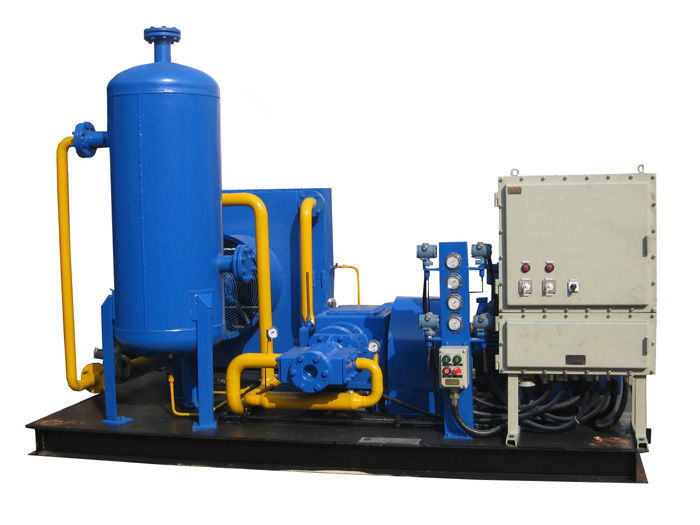
The modern intelligent control system is the “smart brain” that improves the comprehensive performance of natural gas compressors. It can realize real-time perception, data analysis, intelligent decision-making and precise control of the operating status of natural gas compressors, thereby maximizing operating efficiency, reducing the risk of failures and improving operational safety.
Introducing advanced PLC/DCS control architecture:
Upgrading traditional relays or simple microcontrollers to powerful programmable logic controllers (PLCs) or distributed control systems (DCS) is the basis for realizing intelligent control. Advanced PLC/DCS systems can handle complex logic control and accurately control the start and stop, loading/unloading cycles, pressure regulation, temperature control, fault protection, etc. of natural gas compressors. At the same time, it can be seamlessly integrated with the factory’s SCADA (supervisory control and data acquisition) system, MES (manufacturing execution system) and even ERP (enterprise resource planning) system to build a comprehensive digital management platform to achieve centralized monitoring, remote operation and data sharing.
Implement real-time operation data monitoring and big data analysis:
Deploy high-precision sensors at key parts of natural gas compressors to collect massive operation data such as pressure, temperature, flow, vibration, current, power, and lubricant quality in real time. Upload these data to the cloud platform or local server, and use big data analysis tools and machine learning algorithms for in-depth mining. Through trend analysis and abnormal pattern recognition of historical data and real-time data, it is not only possible to grasp the health status of natural gas compressors in real time, but also to predict potential performance degradation or failure risks, providing a scientific basis for preventive maintenance.
Intelligent fault diagnosis and early warning mechanism:
Modern natural gas compressor control systems are embedded with complex fault diagnosis logic and expert systems. When the sensor detects that the abnormal data exceeds the set threshold, the system can immediately identify the fault type (such as bearing wear, valve damage, motor overload, etc.), and issue early warnings to operators through sound and light alarms, text messages, emails, etc., and even provide preliminary troubleshooting guides. This fast and accurate diagnostic capability can greatly shorten downtime and reduce economic losses.
Realize remote monitoring and intelligent operation:
With the help of Industrial Internet of Things (IIoT) technology, operators can view the operating status, historical data, alarm information of natural gas compressors in real time through PCs, tablets or smart phones, and remotely start and stop and adjust parameters anywhere with network connection. This is especially important for widely distributed pipeline booster stations or unmanned stations, which greatly improves operation and maintenance efficiency and emergency response speed, and reduces the cost of on-site inspections.
Apply advanced optimization control algorithms:
Break through the limitations of traditional PID control and introduce more advanced control algorithms such as fuzzy control, neural network control, model predictive control (MPC), etc. These algorithms can more accurately predict the dynamic behavior of natural gas compressor systems under different working conditions, and adaptively adjust control parameters according to factors such as changes in the external environment and fluctuations in gas demand. For example, MPC can optimize the start and stop plan and load distribution of natural gas compressors in advance based on future gas consumption forecasts, so that natural gas compressors always operate at the highest efficiency point and achieve deeper energy saving effects.
Integration of energy management and optimization modules:
Incorporate energy consumption data (such as electricity and natural gas consumption) of natural gas compressors into the energy management system. Through the visualization, comparative analysis and energy efficiency evaluation of energy consumption data, we can find out the energy waste points and formulate targeted energy-saving plans. For example, during the valley period of electricity prices, we can increase the gas output of natural gas compressors for gas storage, reduce the operation during the peak period, achieve peak electricity consumption, and reduce the overall energy cost.
Summary
Improving the performance of natural gas compressors is not a single link improvement, but a complex and sophisticated system engineering. It requires us to optimize and integrate the entire chain from the most basic regular maintenance, refined gas source processing, to advanced load management, efficient cooling, and finally to the intelligent control system upgrade. These five key strategies are interrelated and mutually supportive, and together they build a solid foundation for high-performance natural gas compressors.
Faced with the growing energy demand and strict environmental protection standards, the performance improvement of natural gas compressors is particularly urgent. By continuously investing in advanced technologies, such as high-efficiency permanent magnet motors, magnetic bearing technology, and better material science applications; by optimizing operational management processes and improving the professional skills of operation and maintenance personnel; and by making full use of digital and intelligent tools, we can not only significantly reduce the operating costs of natural gas compressors and extend the life of equipment, but also significantly improve energy efficiency, reduce carbon emissions, and inject strong momentum into the sustainable development of enterprises.
Looking to the future, with the deep integration of artificial intelligence, big data, the Internet of Things and edge computing technologies, natural gas compressors will enter a smarter and more autonomous operating era. It will no longer be just a tool for gas pressurization, but will also become an indispensable smart node in the energy system, driving the natural gas industry to serve the overall situation of global energy transformation in a more efficient and environmentally friendly way.
Request a Quick Quote Now

Shanghai Sollant Energy Saving Technology Co., Ltd.
Drawing on our years of experience and expertise in air separation and PSA technologies, we deliver customized solutions tailored to your specific needs.
