
Maintenance and care of hydrogen compressors: the key to extending the service life of equipment
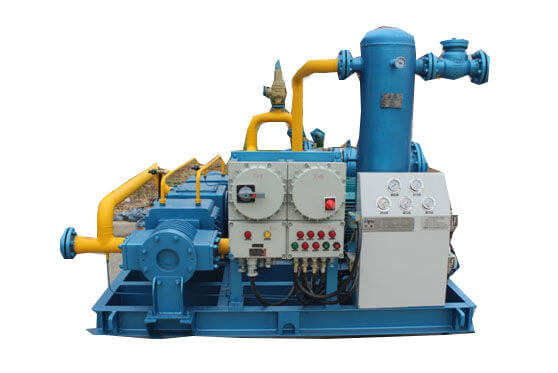
In the modern industrial field, hydrogen compressors, as key gas compression equipment, are widely used in hydrogen production, petrochemicals, energy storage and gas transmission. Hydrogen itself has the characteristics of flammability and explosion, which makes the safety of hydrogen compressors the most concerned issue for enterprises in production. The service life of hydrogen compressors is not only limited by the design and manufacturing quality of the equipment itself, but also closely related to its maintenance and care.
Regular inspection and maintenance are important measures to ensure the long-term stable operation of hydrogen compressors, which can effectively prevent equipment failures, reduce downtime, and ensure safe production. This article will discuss in detail the common faults and causes of hydrogen compressors, daily maintenance and inspection, regular maintenance and replacement, and emergency plans and fault handling, to help enterprises and operators improve the safety and operation efficiency of hydrogen compressors.
1.Common faults and causes of hydrogen compressors
As high-pressure gas processing equipment, common faults of hydrogen compressors will not only affect production efficiency, but also may bring serious safety hazards. Understanding the common faults and causes of hydrogen compressors is the basis for effective maintenance and care. The following are several common types of hydrogen compressor faults and their causes.
1.1 Hydrogen Leakage
Hydrogen leakage is one of the most serious safety hazards of hydrogen compressors. Due to the high diffusivity and flammable and explosive properties of hydrogen, even a small amount of leakage may cause a fire or explosion.
Main causes of leakage
Aging of seals: Over time, the seals in hydrogen compressors will gradually age due to high temperature, pressure and chemical reactions. The aged seals lose their elasticity and cannot effectively seal the interfaces where gas flows, resulting in gas leakage.
Aging or damage of valves: The valve sealing parts inside the compressor are prone to wear and corrosion under the action of high-pressure hydrogen for a long time, which affects their sealing effect and causes hydrogen leakage.
Loose or damaged pipeline connections: If the pipelines and joints of the hydrogen compressor are improperly installed or not checked for a long time, they are prone to loosening, leakage or rupture.
Hazards of leakage
Fire and explosion: Once hydrogen leaks and encounters a fire source or high-temperature object, it is very easy to cause a fire or explosion accident. Even if the leakage is very small, a violent explosion may occur after the hydrogen concentration in the air exceeds a certain proportion.
Equipment failure and performance degradation: Gas leakage may cause the system pressure to drop, which in turn affects the working efficiency and stability of the compressor, and even causes the equipment to be shut down for a long time.
1.2 High temperature failure
Hydrogen compressors work in a high-pressure environment and generate a lot of heat during operation. If the cooling system fails to work properly or there are design defects in the equipment itself, the temperature may be too high, causing equipment failure.
Causes of high temperature failure
Cooling system failure: Poor coolant circulation, cooling equipment failure or insufficient coolant can cause the hydrogen compressor to overheat. The cooling system is an important component to keep the compressor temperature within a safe range, and any failure will cause the equipment temperature to be out of control.
Failure of the temperature control system: If the compressor’s temperature control system fails, it cannot accurately adjust the operating temperature of the equipment, causing the equipment to be in an overheated state for a long time.
Overload operation: When the equipment is in an overloaded operation state for a long time, due to excessive load, the components of the compressor are subjected to excessive pressure and temperature, which is also prone to high temperature failure.
Impact of high temperature failure
Equipment damage: Long-term excessively high temperatures will accelerate the wear of the internal components of the compressor (such as bearings, pistons, seals, etc.), causing these components to be damaged prematurely, affecting the service life of the equipment.
Increased safety risks: Excessive temperature may cause other safety hazards, such as overheating of the electrical system and fire in the oil line.
1.3 Abnormal pressure
Hydrogen compressors rely on stable pressure to ensure the effective transportation and storage of gas. Too high or too low pressure may cause the compressor to fail or operate unstable.
Causes of abnormal pressure
Failure of the pressure regulating valve: If the pressure regulating valve inside the compressor fails, it may lead to the inability to effectively control the system pressure, resulting in too high or too low pressure.
Pipeline blockage or wear: If the pipeline system is not cleaned or corroded for a long time, it may cause poor gas flow, resulting in unstable system pressure.
Leakage or unstable gas supply: Leakage or unstable gas supply source will affect the balance of system pressure and cause abnormal pressure.
Consequences of abnormal pressure
Equipment damage: Excessive pressure will cause the equipment to be subjected to great pressure and even explode. If the pressure is too low, the compressor efficiency will decrease and it will not be able to meet the gas processing needs.
Production interruption: Abnormal pressure directly affects the stability of production, which may cause downtime and affect production plans.
1.4 Mechanical wear and corrosion
The mechanical parts of hydrogen compressors will wear due to continuous friction during long-term operation. In addition, the chemical properties of hydrogen in a high-pressure environment may also cause corrosion of the equipment.
Causes of wear and corrosion
Lack of lubrication: If there is a problem with the lubrication system or the quality of the lubricating oil is unqualified, the internal parts of the compressor (such as pistons, bearings, etc.) will not be able to obtain sufficient lubrication, resulting in mechanical wear.
Chemical corrosion: In some industrial environments, hydrogen compressors may come into contact with some corrosive gases or chemicals, causing corrosion of internal metal parts and affecting the service life of the equipment.
Impact of wear and corrosion
Increase maintenance costs: Mechanical wear and corrosion will lead to frequent replacement and repair of parts, increasing maintenance costs.
Performance degradation: Wear and corrosion will cause the equipment to have a reduced working efficiency, or even failure, resulting in production interruption.
1.5 Electrical system failure
Electrical system failures are usually manifested as motor failure, control system failure, or electrical component damage. Such failures are often hidden, but once they occur, they may cause the equipment to fail to work properly.
Causes of electrical failure
Poor electrical contact: Aging or poor contact of cables, connectors, switches, etc. may cause unstable current, leading to electrical failure.
Excessive electrical load: The motor or control system of the compressor will overheat or short-circuit when the load is too large, causing electrical failure.
Electrical failure impact
Equipment shutdown: Failure of the electrical system will cause the compressor to fail to start or run, causing production stagnation.
Equipment damage: Failure of electrical components may cause more serious consequences, such as motor burnout, electrical fire and other safety accidents.
2.Daily maintenance and inspection of hydrogen compressors
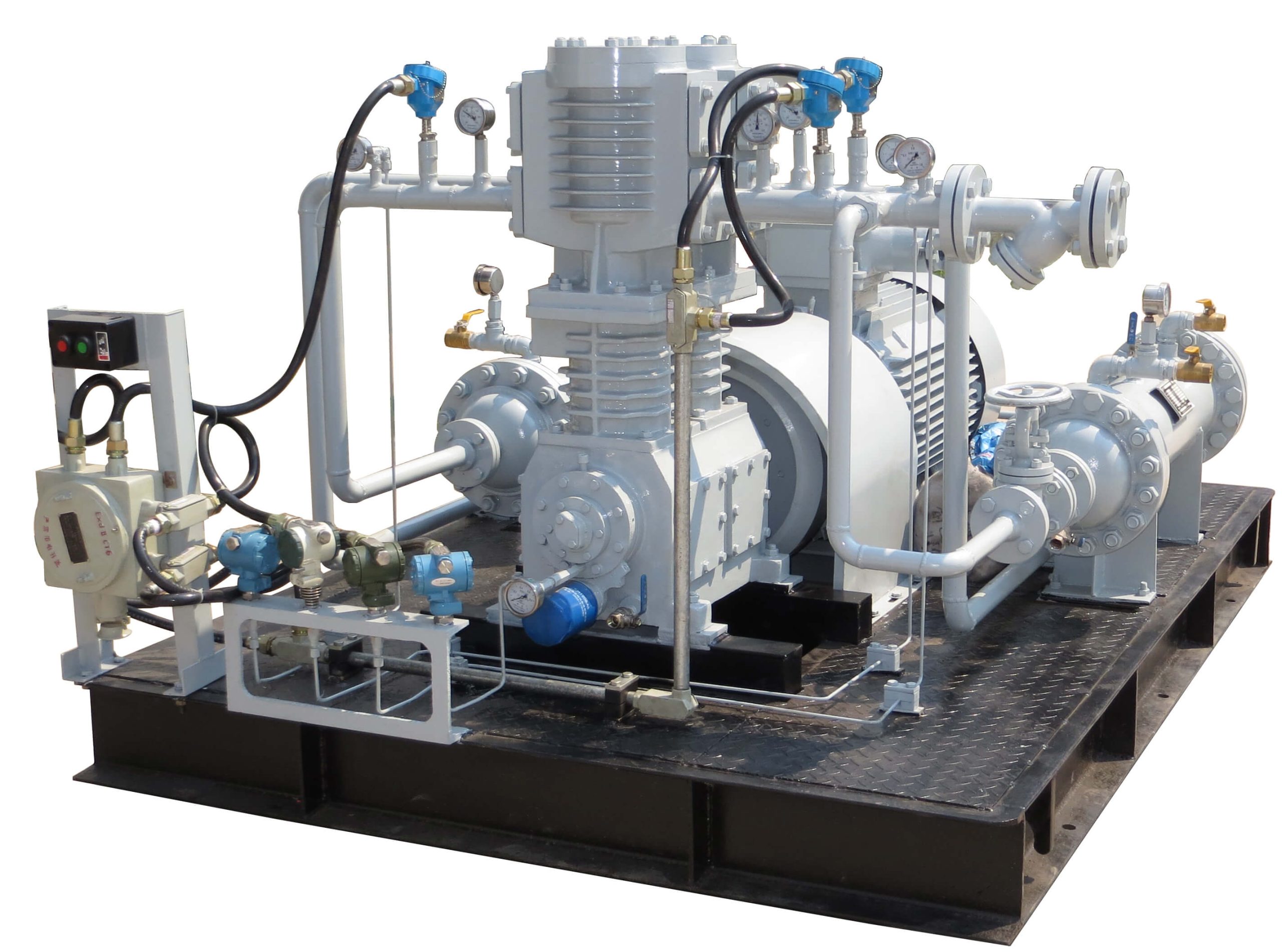
Daily maintenance and inspection of hydrogen compressors are essential to ensure efficient and safe operation of equipment. Regular inspections can detect potential problems and take timely measures to avoid failures.
2.1 Hydrogen leakage inspection
Hydrogen leakage is one of the most serious safety hazards of hydrogen compressors, so daily inspections for leakage are essential. Operators should conduct inspections according to the following methods:
Use leak detection instruments: Special hydrogen leak detection instruments can help detect whether there is hydrogen leakage in pipelines, valves, and joints.
Check seals and joints: Check the seals and joints of the compressor regularly to ensure that they are not aged, broken or loose. Replace worn or damaged seals in time.
Observe the outside of the equipment: Determine whether there is a leak by observing whether there are abnormal signs such as moisture, bubbles or odor on the outside of the equipment.
2.2 Pressure and temperature inspection
The stability of pressure and temperature is crucial to the safe operation of the compressor. Operators should regularly check the following aspects:
Pressure gauge calibration: Ensure the accuracy of the pressure gauge. Operators should regularly calibrate the pressure gauge to ensure that it can accurately reflect the pressure of the system.
Check the temperature system: Check whether the temperature control system is working properly, whether there is enough coolant, and whether the temperature is maintained within a safe range.
Monitor equipment operation: View the working pressure and temperature of the equipment in real time through the monitoring system, and adjust the temperature control system in time to avoid overheating or excessive pressure.
2.3 Lubrication system inspection
The lubrication system is the key to keeping the internal components of the hydrogen compressor running smoothly. Regularly check the oil level, oil quality and oil system of the lubricating oil:
Check the oil level and oil quality: Regularly check the oil level of the lubricating oil to ensure that the lubricating oil is sufficient, and check whether the oil quality is deteriorated or has contaminants.
Replace the lubricating oil: Replace the lubricating oil according to the use of the equipment and the manufacturer’s recommendations to prevent the lubrication system from failing.
Clean the oil filter: Regularly clean the oil filter to prevent impurities from clogging the oil circuit and affecting the lubrication effect.
2.4 Electrical system inspection
The inspection of the electrical system is an important part of the daily maintenance of the hydrogen compressor. Operators should pay attention to the following aspects:
Check the electrical connection: Ensure that the cables, connectors and other parts are not aged, loose or damaged to avoid poor contact in the electrical system.
Motor inspection: Regularly check the operating status of the motor to ensure that it is not overloaded or overheated.
Check the control panel: Check the control system panel to ensure that the operating system is stable and the alarm system can work normally.
2.5 Safety valve inspection
The safety valve of the hydrogen compressor is an important device to protect the equipment from overpressure risks. Regularly check the working status of the safety valve to ensure that it can start normally when needed:
Test the safety valve: Regularly test the opening pressure of the safety valve to ensure that it can release gas in time when the pressure exceeds the standard.
Replace damaged valves: If the safety valve is found to be loosely sealed or faulty, replace it immediately.
3.Regular maintenance and replacement of hydrogen compressors
Regular maintenance and replacement of parts are key measures to extend the service life of hydrogen compressors. Regular maintenance can effectively maintain the working efficiency of the equipment and prevent the occurrence of faults.
3.1 Replace seals and valves
With the long-term operation of hydrogen compressors, seals and valves will gradually age and wear due to repeated changes in pressure and temperature. Therefore, it is very important to regularly check and replace seals and valves:
Seal replacement cycle: According to the manufacturer’s recommendations or actual working environment, regularly check the status of the seals. It is usually recommended to replace them every six months or every year.
Valve inspection and replacement: Check whether the valve can be opened and closed normally and whether the valve seat is sealed. If the valve is worn or leaking, it should be replaced immediately.
3.2 Replacement of filters and filter elements
The filters and filter elements of the compressor are prone to accumulate impurities during long-term use, affecting gas circulation. Regular replacement of filters and filter elements is an important measure to maintain the operating efficiency of the compressor:
Air filter: Regularly replace the air filter to ensure that there are no impurities in the intake system.
Oil filter: Regularly replace the oil filter to prevent oil line blockage and pollution and keep the lubricating oil clean.
3.3 Lubricating oil replacement
The quality of lubricating oil will decrease with the passage of time and lose its lubricating effect. Therefore, it is crucial to replace the lubricating oil regularly:
Check the lubricating oil status: Check the color, viscosity and whether the lubricating oil contains impurities.
Replace the lubricating oil: According to the equipment usage and the replacement cycle recommended by the manufacturer, replace the lubricating oil in time to avoid affecting the operation of the equipment due to oil deterioration.
4.Emergency plan and troubleshooting of hydrogen compressors
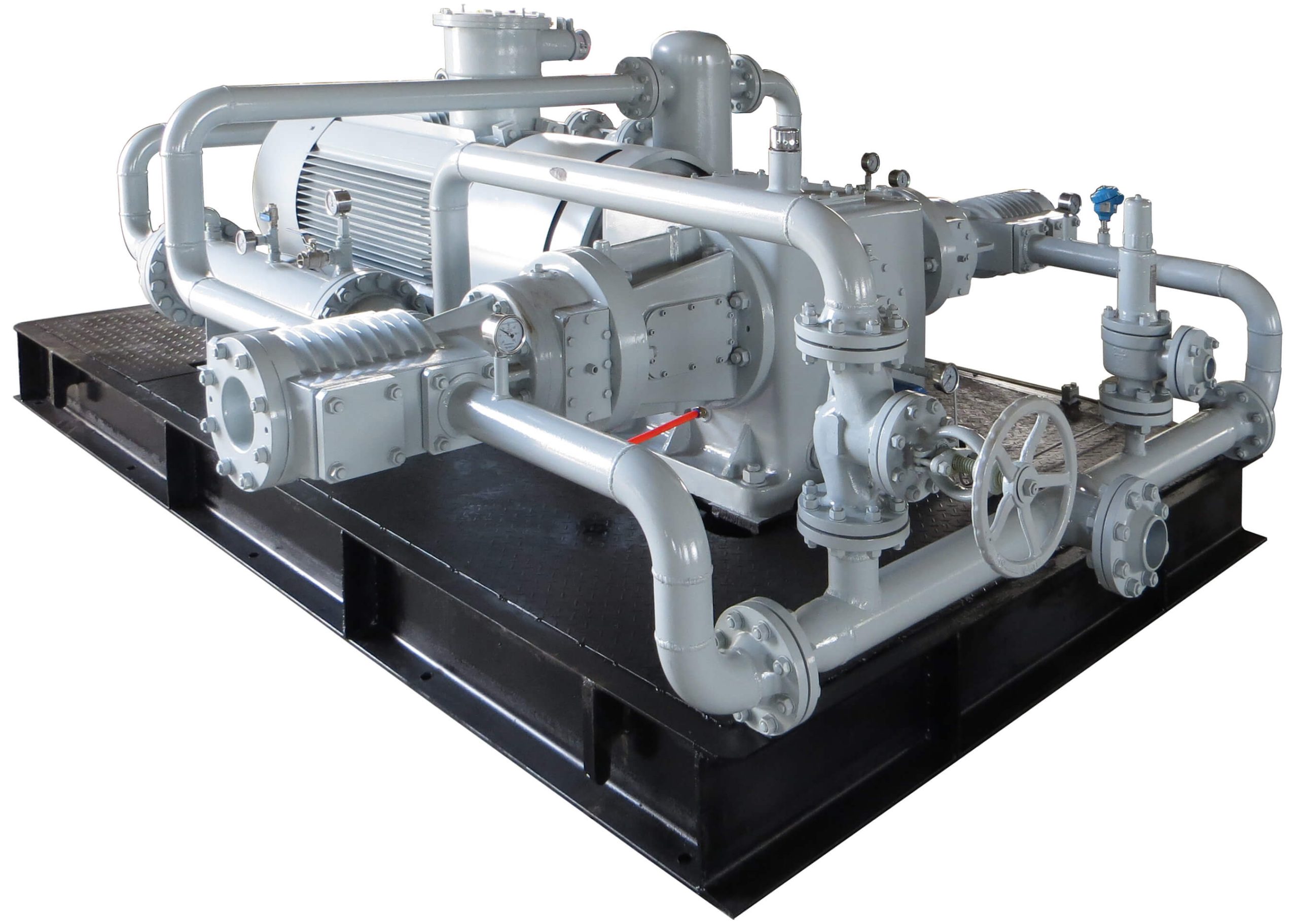
Although regular maintenance and inspection can greatly reduce the occurrence of hydrogen compressor failures, some sudden failures are inevitable. When a failure occurs, the operator should respond quickly and take effective emergency measures.
4.1 Emergency treatment of hydrogen leakage
Hydrogen leakage is the most serious type of fault. Once a leak occurs, emergency treatment measures must be taken immediately:
Immediate shutdown: quickly stop the operation of the hydrogen compressor, shut down the hydrogen supply, and cut off the power supply.
Ventilation: turn on the ventilation equipment to ensure that the hydrogen in the leakage area can be discharged in time to avoid explosion caused by excessive hydrogen concentration.
Evacuation and alarm: ensure that on-site personnel are away from the leakage area, evacuate quickly, and call the police in time to start fire fighting and emergency response procedures.
4.2 Emergency treatment of high temperature fault
If the hydrogen compressor overheats, cooling measures must be taken quickly:
Stop operation: shut down immediately to prevent further overheating of the equipment.
Check the cooling system: check whether the cooling system is normal, add coolant, and clean the cooling channel.
Check the temperature control system: confirm whether the temperature control system has a fault, and repair or replace the temperature control device.
4.3 Emergency treatment of electrical failures
If an electrical system failure occurs, the operator should first cut off the power supply and follow the steps below to handle it:
Check the electrical connectors: Check whether the cables, connectors, switches and other parts have poor contact or short circuit.
Replace damaged electrical components: If the electrical components are found to be damaged, they should be replaced in time to ensure that the equipment can start normally.
Conclusion
Hydrogen compressors are indispensable equipment in modern industry, and their maintenance and care are directly related to production efficiency, safety and the service life of the equipment. By understanding common faults and their causes, taking effective daily maintenance and inspections, regularly maintaining and replacing parts, and quickly responding and taking emergency measures when faults occur, the occurrence of hydrogen compressor failures can be significantly reduced and the service life of the equipment can be extended.
In the daily production process, enterprises should strictly follow the operating procedures, regularly inspect and maintain hydrogen compressors, and establish a complete emergency plan and fault handling mechanism to ensure long-term stable and safe operation of the equipment. This not only helps to improve production efficiency, but also creates a safer working environment for staff.
Request a Quick Quote Now

Shanghai Sollant Energy Saving Technology Co., Ltd.
Drawing on our years of experience and expertise in air separation and PSA technologies, we deliver customized solutions tailored to your specific needs.
