
Best Uses for High-Pressure Air Compressors: How to Get the Most Out of Your Industry
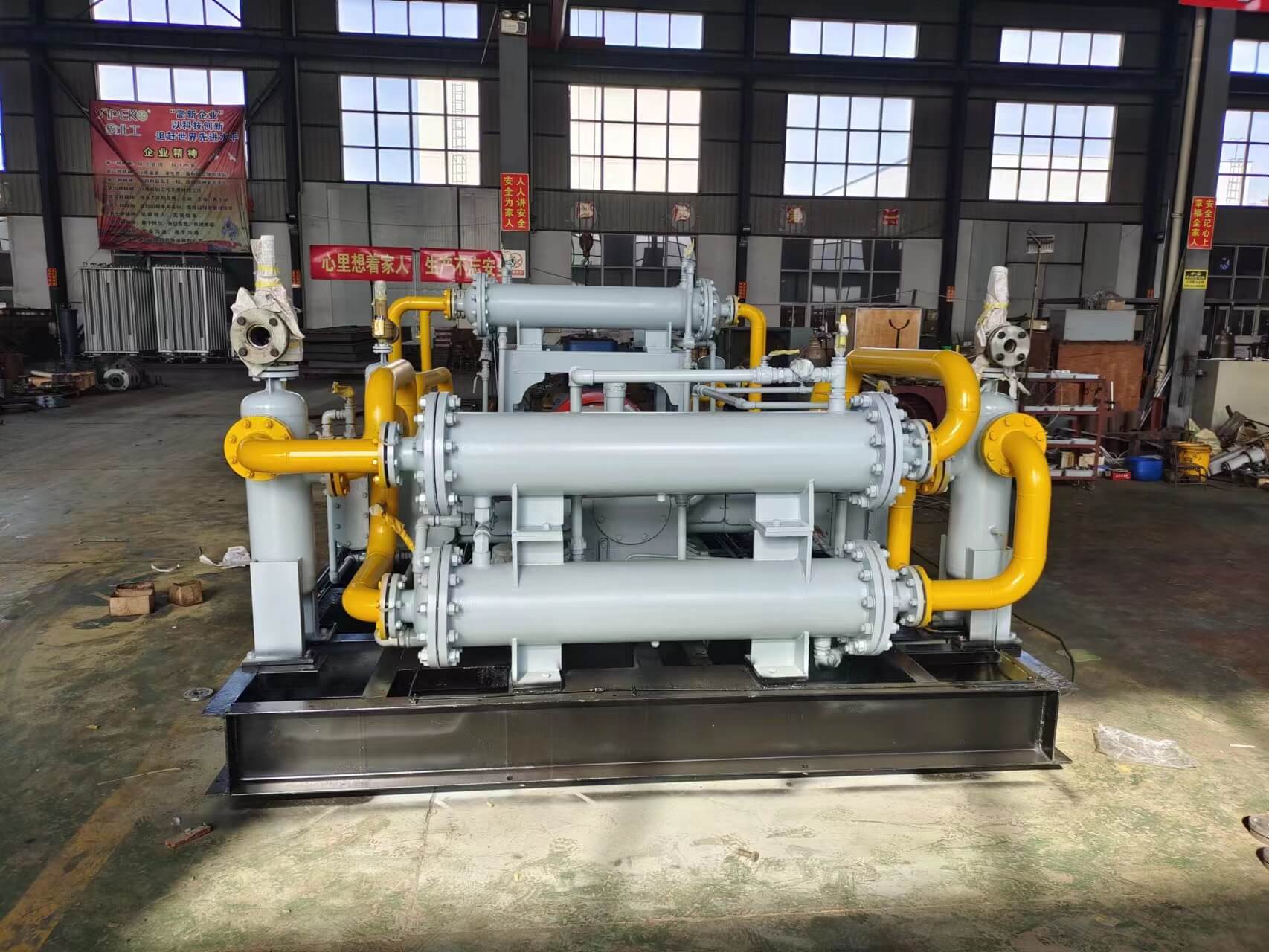
In the context of modern industrial production, compressed air plays a pivotal role as a clean, efficient and widely used power source. High-pressure air compressors, as the core production equipment, are known as the “power heart” of the industrial field. By compressing ambient air to a pressure level far beyond the norm, it provides a stable and powerful driving force for various precision machinery, automation equipment and specific process flows. From traditional manufacturing to emerging biomedical fields, from the depths of energy mining to towering construction sites, high-pressure air compressors are everywhere, silently supporting the progress and development of industry.
However, just having a high-pressure air compressor does not mean that you can fully realize its potential. Under increasingly fierce market competition and increasingly stringent environmental regulations, how to maximize its effectiveness and achieve the unity of energy efficiency and production efficiency has become a key issue facing industrial enterprises. This article will explore the various uses of high-pressure air compressors, reveal their unique value in different industrial scenarios, and elaborate on a series of optimization strategies to help companies effectively improve equipment performance and reduce operating costs, so as to truly maximize their effectiveness in industrial production.
1.Core advantages of high-pressure air compressors
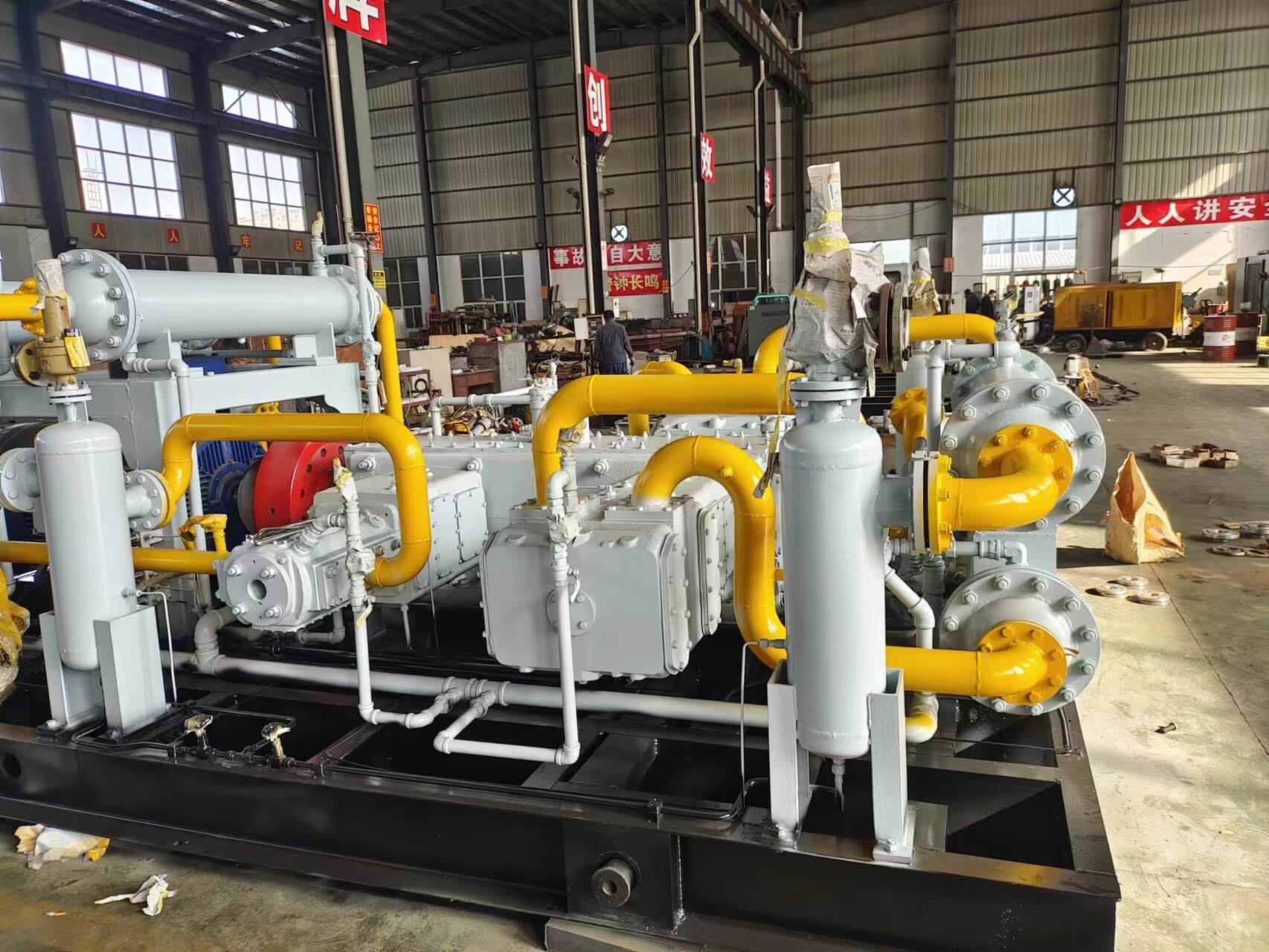
The reason why high-pressure air compressors can occupy an irreplaceable position in the industrial field is due to a series of core advantages that make them the preferred power solution in many application scenarios.
(1) Energy efficiency: Compared with other power sources
Compared with traditional power sources such as electricity, hydraulics or steam, high-pressure air compressors show excellent energy efficiency in many specific applications. First, compressed air can be easily stored, avoiding energy loss caused by excessive load of the power system during peak hours or leakage of the hydraulic system. Second, when transporting over long distances, the energy loss of compressed air is usually lower than that of electrical energy, and it is not easily affected by voltage fluctuations. Although there is a certain energy conversion loss when converting electrical energy into mechanical energy and then into compressed air energy, when considering the energy efficiency of the terminal actuator (such as pneumatic tools) itself, and the safety of using pneumatic tools in certain flammable and explosive environments, the comprehensive energy efficiency advantage of high-pressure air becomes prominent. Especially in situations where frequent start-stop, rapid response or precise control is required, pneumatic systems can often achieve better performance with lower energy consumption.
(2) Environmental protection: reducing emissions and pollution
High-pressure air compressors have significant advantages in environmental protection. First, as an inexhaustible natural resource, the compression and use process of air itself does not produce any harmful gas emissions, which is in sharp contrast to coal-fired, fuel-fired and other power systems. Secondly, the use of oil-free high-pressure air compressors can ensure that the output compressed air is pure and oil-free, avoiding the potential pollution of oil mist to the production environment, product quality and operator health, which is crucial in industries with extremely high cleanliness requirements such as food, medicine, and electronics. In addition, modern high-pressure air compressors generally use advanced noise reduction technology to effectively control noise pollution during equipment operation, creating a more comfortable and safe working environment for employees.
(3) Flexibility and adaptability: meeting different industrial needs
High-pressure air compressor systems have extremely strong flexibility and adaptability. By adjusting the exhaust volume and pressure of the compressor, it is easy to meet the differentiated requirements of air source parameters for different industrial applications. For example, a large-flow low-pressure air source is required for dust removal, or a small-flow high-pressure air source is required for precision control. A high-pressure air compressor system can often achieve multiple functions through simple regulation. In addition, pneumatic actuators (such as cylinders and pneumatic motors) have simple structures, easy maintenance, and compact size, and can be flexibly integrated into various mechanical equipment and automated production lines. In scenarios where space is limited or rapid deployment is required, high-pressure air systems show unparalleled advantages.
(4) Convenience of maintenance and operation
Compared with the complex oil circuits, high leakage risks, and high maintenance costs that may exist in hydraulic systems, high-pressure air compressor systems are easier to maintain and operate. Its main maintenance work focuses on regular replacement of filter elements, checking lubricating oil (for oil-containing models), cleaning radiators, and checking the sealing of pipeline systems. The failure rate of pneumatic components is relatively low, and the diagnosis and replacement process is usually more intuitive. Operators can master the operation, monitoring, and basic maintenance skills of high-pressure air compressor systems through simple training, which greatly reduces dependence on professional technicians, thereby improving the overall operating efficiency and stability of the production line.
2.Specific applications of high-pressure air compressors in different industrial fields
With their unique performance advantages, high-pressure air compressors have found broad application space in various industrial segments and have become a key driving force for the development of various industries.
(1) Manufacturing industry
Manufacturing is one of the most widely used fields for high-pressure air compressors, and many links in its production process cannot be separated from the strong support of compressed air.
Pneumatic tools and equipment drive: In the automobile manufacturing, mechanical processing, electronic assembly and other industries, various pneumatic tools such as pneumatic wrenches, pneumatic grinders, and pneumatic rivet guns are favored because of their lightness, safety, high torque, and low overload. High-pressure air compressors provide them with a steady stream of power to ensure the efficient assembly, fastening, cutting and other operations on the production line. In addition, many actuators on automated production lines, such as cylinders, pneumatic clamps, and pneumatic valves, are also driven by high-pressure air to achieve functions such as material transportation, component positioning, and product sorting.
Spraying and surface treatment: In the manufacturing process of furniture, automobiles, home appliances and other products, surface treatment processes such as painting, sandblasting, and powder spraying are the key to improving the appearance quality and protective performance of products. High-pressure air compressors provide stable and dry compressed air, which acts as an atomizing medium to evenly spray paint or abrasive onto the surface of the workpiece to form a smooth, highly adhesive coating. The purity of the high-pressure air source directly affects the spraying effect, so oil-free high-pressure air compressors are particularly important in such applications.
Parts cleaning and drying: In the production process of precision machinery, electronic components, and optical devices, parts cleaning and drying are key steps to ensure product quality. High-pressure compressed air can be used to blow away dust, chips, water droplets or cleaning fluid residues on the surface of the workpiece to avoid contamination or corrosion. Its non-contact cleaning method is particularly suitable for precision parts that are sensitive to heat or easily damaged.
Pneumatic handling and lifting: In large-scale equipment manufacturing, warehousing and logistics, high-pressure pneumatic hoists, pneumatic balance cranes, pneumatic conveyor belts and other equipment can use the power of high-pressure air to achieve smooth handling, precise positioning and efficient lifting of heavy objects. These pneumatic equipment usually have explosion-proof functions, are suitable for hazardous environments, and are easy to operate, reducing the labor intensity and safety risks of manual handling.
(2) Energy and mining
In the fields of energy mining and mineral resource development, high-pressure air compressors are indispensable heavy equipment that provide strong power for various difficult operations.
Pneumatic Drilling Equipment: Whether it is tunneling deep in the mine or geological exploration on the surface, pneumatic drills are the main drilling tools. High-pressure air compressors provide them with high-pressure air sources, driving the drill bit to rotate at high speed and impact the rock, achieving fast and efficient drilling operations. Its explosion-proof characteristics make it incomparably safe in flammable and explosive environments such as coal mines.
Mine Ventilation and Safety: Oxygen is thin in the depths of the mine, and harmful gases such as gas are easy to accumulate, requiring an efficient ventilation system to protect the lives of miners. High-pressure air can be used to drive fans and air ducts to deliver fresh air to the working surface and exhaust harmful gases. In addition, in emergency rescue, high-pressure air can also provide air sources for escape respirators.
Natural Gas and Oil Extraction Auxiliary: In the exploration and production of oil and gas fields, high-pressure air compressors are often used for gas lift oil production, pneumatic tool maintenance, pipeline pressure testing and cleaning, etc. For example, by injecting high-pressure air or natural gas into the oil well, the density of crude oil can be reduced and the oil production efficiency can be improved.
(3) Construction and Engineering
The demand for high-pressure air compressors in the construction and engineering fields is also strong, and they play a key role in various construction links.
Concrete spraying and rock drilling: In tunnel construction, slope protection, and water conservancy projects, spraying concrete is a common construction technology. High-pressure air compressors spray concrete or mortar mixtures onto the designated surface at high speed through a spray gun to form a solid protective layer or structure. During road construction and foundation excavation, pneumatic rock drills and breakers use the impact force of high-pressure air to efficiently break rocks and concrete structures.
Pneumatic crushing and demolition: In the process of urban transformation and demolition of old buildings, high-pressure air-driven breakers and pneumatic picks are the main demolition tools. Their powerful impact force can quickly decompose concrete walls, pavements, and steel structures.
Maintenance of infrastructure such as bridges and roads: In the daily maintenance and repair of bridges and roads, high-pressure air can be used to remove road debris, blow dry wet surfaces, or drive small pneumatic tools for local repairs and cleaning.
(4) Food and medicine
In the food and medicine industries, which have extremely high requirements for hygiene and cleanliness, oil-free high-pressure air compressors play a vital role and are directly related to the quality and safety of products.
Application of oil-free compressed air in production lines: In food processing, beverage filling, pharmaceutical production and other links, compressed air may directly contact products or packaging materials. Therefore, 100% oil-free clean compressed air must be used to avoid the potential harm of oil contamination to product quality and consumer health. High-pressure air compressors provide power for pneumatic valves, conveying systems, mixers and packaging machinery to ensure the cleanliness and efficiency of the production process.
Packaging and filling: Pneumatic components are widely used in automated packaging and filling equipment for food and medicine. High-pressure air drives filling heads, sealing machines, labeling machines, etc. to achieve precise filling and aseptic packaging of products, ensuring the freshness and shelf life of products.
Cleaning and disinfection: In food and pharmaceutical production workshops, high-pressure clean air can be used to purge pipes, containers and equipment to remove residues and assist in disinfection. Some disinfection equipment also requires high-pressure air as an atomization medium to spray the disinfectant evenly onto the surface of objects.
3.How to maximize the efficiency of high-pressure air compressors
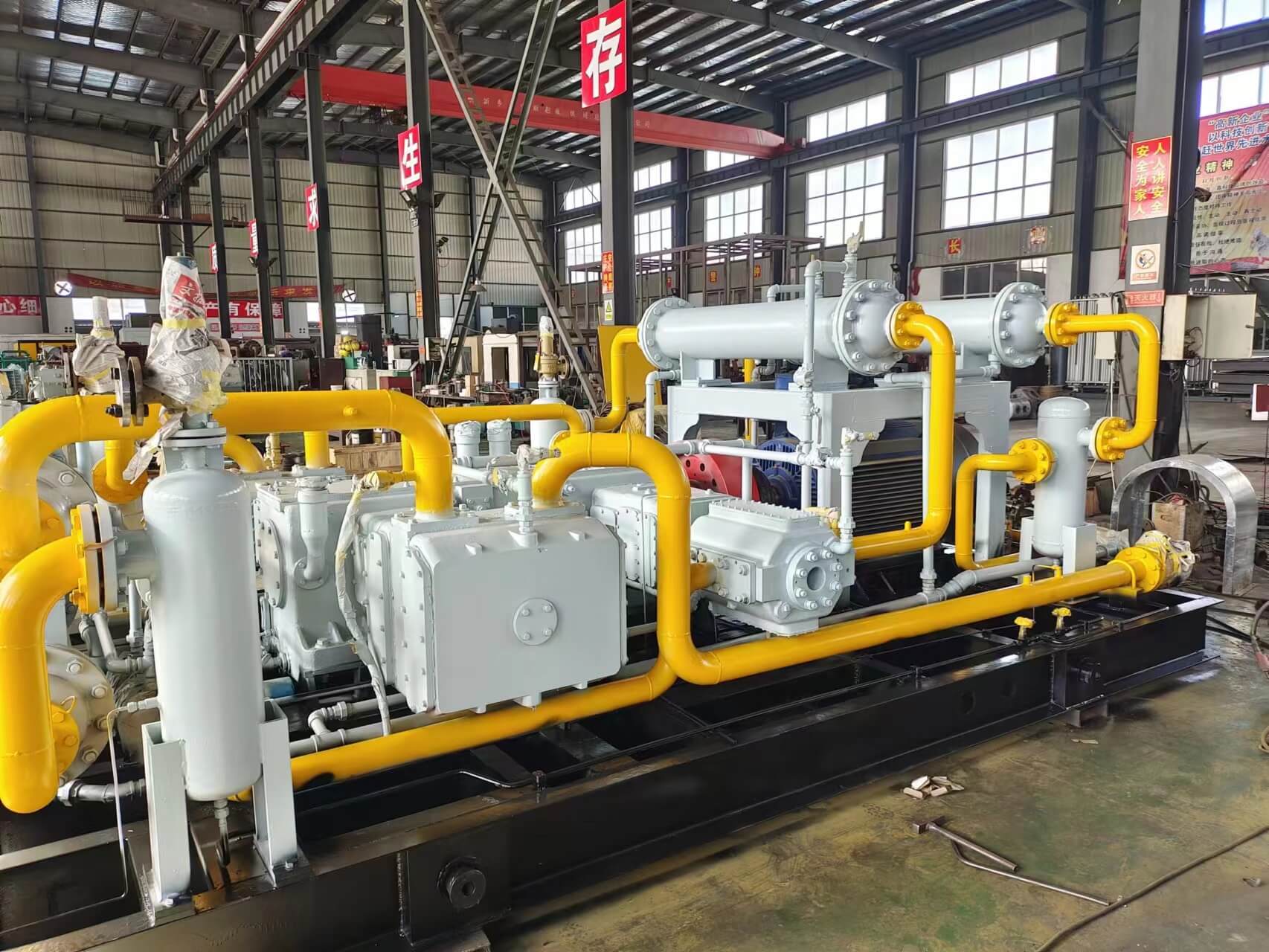
It is not enough to just have a high-pressure air compressor. The key is how to maximize its efficiency in industrial production through scientific management and maintenance, thereby reducing energy consumption and improving productivity.
(1) Equipment selection and configuration
Equipment selection and configuration are the basis for affecting the efficiency of high-pressure air compressors.
Choose appropriate pressure and flow according to actual needs: This is the most core consideration. Excessive pressure and flow will lead to energy waste, while insufficient pressure and flow will affect production efficiency. Through a comprehensive assessment of the gas equipment used in the production line, the required minimum pressure, maximum flow and average flow should be accurately calculated, and appropriate margin should be left. For intermittent gas use or large fluctuations in gas consumption, variable frequency screw high-pressure air compressors should be considered, which can automatically adjust the motor speed according to the actual gas consumption, significantly saving energy.
Consider energy efficiency rating and brand reputation: When purchasing high-pressure air compressors, products with high energy efficiency ratings should be given priority. The higher the energy efficiency rating, the less electricity consumed and the lower the long-term operating cost under the same output gas volume. At the same time, it is crucial to choose well-known brands and suppliers with good after-sales service. They usually have more advanced technology, more reliable quality and more professional services, which can provide guarantee for the stable operation of the equipment.
Optimization of supporting equipment (air storage tank, dryer, filter, etc.): The high-pressure air compressor system is a whole, and its efficiency depends not only on the main engine, but also on the supporting equipment.
(2) Daily maintenance and care
Standardized daily maintenance and care are the key to ensuring the long-term and efficient operation of high-pressure air compressors.
Regular inspection and cleaning: Visually inspect the compressor exterior, radiator, and air inlet every day or week to remove dust and debris and ensure good ventilation. Regularly check the oil level (for oil-containing models), pressure gauge, and thermometer readings to see if they are normal.
Lubrication and parts replacement: According to the manufacturer’s recommendations, regularly replace consumables such as lubricating oil (for oil-containing models), air filter element, oil filter element, and oil-gas separator filter element. Blockage or aging of these components will seriously affect the efficiency of the compressor and even cause equipment failure.
Troubleshooting and preventive maintenance: Establish a complete equipment file to record operating data and maintenance status. Through trend analysis, potential problems can be discovered in advance, and preventive maintenance can be carried out to avoid the impact of sudden failures on production. For example, by monitoring parameters such as operating current, vibration, and noise, it can be determined whether the equipment is abnormal.
(3) Operating specifications and personnel training
The human factor is equally important in the performance of equipment.
Correct operating procedures: Strictly follow the operating manual of the high-pressure air compressor, including the correct startup, operation, shutdown and emergency handling procedures. Avoid equipment damage or safety accidents caused by improper operation.
Safety awareness: Provide professional safety training for operators to make them understand the risks of high-pressure gas and master basic protection knowledge, such as wearing protective glasses and earmuffs, and avoiding contact with high-temperature components. Conduct safety drills regularly.
Emergency handling: Train operators to identify and handle common fault alarms, such as overtemperature, overpressure, motor overload, etc., and master the methods of emergency shutdown and alarm reset.
(4) Energy management and optimization
Refined energy management is the core of maximizing the performance of high-pressure air compressors.
Leak detection and repair: Leaks in compressed air systems are a huge source of energy waste. According to statistics, up to 20%-30% of compressed air may be lost due to leakage. Ultrasonic leak detectors or other methods should be used regularly to detect leaks in pipes, valves, joints, etc., and repair them in time. This is the most direct and effective energy-saving measure.
Load management and intelligent control: For systems with multiple high-pressure air compressors running in parallel, an intelligent control system should be used to automatically adjust the start and stop and load of each compressor according to the actual gas demand, avoid no-load operation and frequent loading and unloading, and thus optimize the overall energy consumption. Frequency conversion technology can significantly save energy in situations where the load fluctuates greatly.
Waste heat recovery and utilization: High-pressure air compressors generate a lot of heat during operation. By installing a waste heat recovery device, this heat can be used to heat production water, heating or as a heat source for other process processes, thereby realizing the recycling of energy and greatly reducing overall energy consumption.
Summary
As the “artery” of modern industry, the importance of high-pressure air compressors is self-evident. It is not just a simple power equipment, but also a key force to promote industrial production towards intelligence, efficiency and environmental protection. From providing strong production power to ensuring product quality and operational safety, high-pressure air compressors play an irreplaceable role in manufacturing, energy, construction, food and medicine and other industries.
However, to truly maximize their efficiency in industry, companies need to attach importance to them from a strategic level and implement them in daily operations and management. This includes: accurately matching needs when selecting equipment, paying attention to energy efficiency levels and brand reputation; strictly implementing maintenance procedures in daily operations, strengthening personnel training, and ensuring standardized operations; more importantly, energy management should be promoted to a core position, and energy waste should be minimized through leak detection, intelligent control and waste heat recovery.
Looking to the future, with the continuous advancement of science and technology, high-pressure air compressors will develop in a more intelligent, green and integrated direction. Embracing these emerging technologies will help companies build a more resilient and sustainable production system, thereby maintaining a leading position in the fierce market competition. High-pressure air compressors, the beating heart of industry, will continue to inject inexhaustible power into the continued prosperity of industry with its powerful energy.
Request a Quick Quote Now

Shanghai Sollant Energy Saving Technology Co., Ltd.
Drawing on our years of experience and expertise in air separation and PSA technologies, we deliver customized solutions tailored to your specific needs.
