
PSA Pressure Swing Adsorption Nitrogen Generator Selection Guide
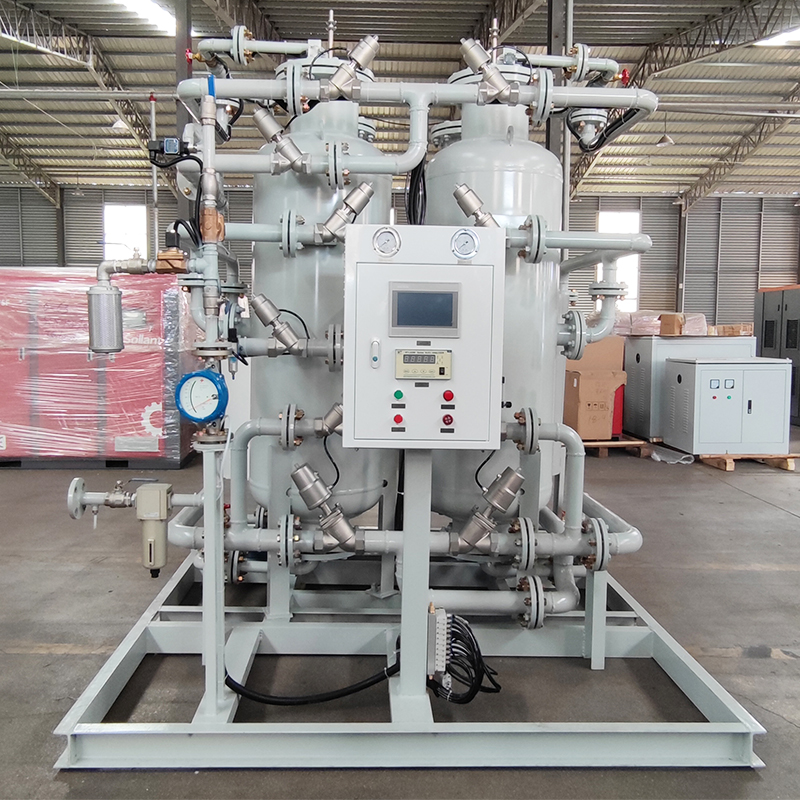
PSA (pressure swing adsorption) nitrogen generator is a commonly used industrial nitrogen generator. Through the selection of adsorption materials and reasonable process parameter design, oxygen and nitrogen are separated under pressure. Selecting a suitable PSA nitrogen generator is crucial to ensuring production efficiency and product quality. The following is a detailed PSA nitrogen generator selection guide to help users make scientific decisions and purchase efficiently.
1. Selection considerations
1. Nitrogen purity: Determine the required nitrogen purity according to the actual application requirements. Different application scenarios have different requirements for gas purity. Common purity requirements are 99.5%, 99.9%, 99.99%, etc. High-purity nitrogen is particularly important in the fields of electronics, medicine, etc. to ensure product quality and process stability. For example, the medical, food and beverage industries usually require higher purity nitrogen.
2. Nitrogen flow rate: The nitrogen flow rate required for the method (usually in Nm³/h) can be calculated based on the company’s production and operation scale, gas equipment and future development capacity planning. Nitrogen flow is an important parameter in the selection of PSA pressure swing adsorption nitrogen generator. It is necessary to accurately predict the maximum output and fluctuation range of the required nitrogen to ensure that the equipment meets the actual needs and has a certain redundancy capacity.
3. Outlet pressure: According to the inlet pressure requirements of the gas-using equipment, select a nitrogen generator that can stably output the required pressure. It should be considered that the gas-using end needs to add a pressure margin of 1~2bar.
4. Process pressure and temperature: According to the requirements of the production process, determine the working pressure and temperature range of the PSA pressure swing adsorption nitrogen generator. For example, in some chemical processes, specific process pressure and temperature requirements may limit the selection range of the equipment.
5. Stability and reliability: Evaluate the operating stability, failure rate and mean time between failures (MBE) of the equipment to ensure that the equipment can meet the needs of continuous production.
6. Energy consumption and efficiency: Examining the power consumption of the equipment and selecting a nitrogen generator with a high energy efficiency ratio can reduce long-term operating costs. Considering factors such as energy efficiency, recycling and exhaust emissions, select equipment that matches the budget and environmental protection requirements.
The purity of the nitrogen generator is different, and the required air compressor supply is also different. Generally speaking, the higher the purity of the nitrogen generator, the greater the air compressor supply required. For example, when the purity of the nitrogen generator is 99.9%, the air compressor supply needs to be about 3.5 times the nitrogen output of the nitrogen generator; and when the purity of the nitrogen generator is 99.99%, the air compressor supply needs to be about 4.5 times the nitrogen output of the nitrogen generator.
7. Land occupation and noise: Consider the size, weight and structure of the equipment to ensure that the equipment is compatible with existing facilities and meets environmental protection requirements. Choose a low-noise design, especially for equipment installed near office areas or residential areas.
8. Budget and cost: Comprehensive equipment purchase, installation, operation, maintenance and other costs, conduct a full life cycle cost analysis, and select cost-effective equipment.
2. Selection steps
1. Clarify nitrogen demand: According to the process flow, output, gas equipment and other information, list the specific requirements of nitrogen purity, flow, pressure, continuity, etc. in detail.
2. Equipment selection: According to the results of the demand analysis, select the nitrogen generator model that meets the requirements. Compare the performance parameters, price, brand reputation and other factors of each model to preliminarily determine the candidate equipment.
3. Equipment specifications: Determine the final equipment specifications and prepare the equipment technical specifications based on factors such as budget, site conditions, and future scalability.
III. Technical parameters and characteristics evaluation
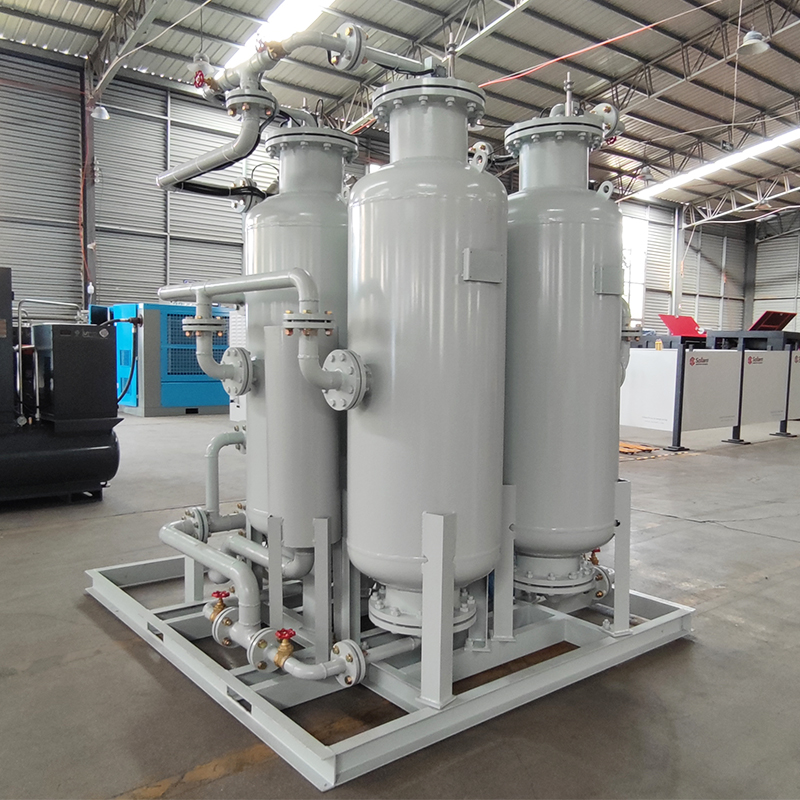
1. PSA cycle: Understand the absorption and regeneration cycle of the equipment. Short cycles usually mean higher production efficiency and more stable nitrogen output.
2. Molecular sieve type and quality: The quality of molecular sieve directly affects the purity of nitrogen and the service life of the equipment. High-quality molecular sieves can improve adsorption efficiency and extend service life.
3. Automation: A highly automated control system can improve the convenience of operation and the stability of the system, and reduce manual intervention and errors.
4. Environmental adaptability Consider the energy consumption performance of the equipment in different seasons and environmental conditions, and whether it has an energy-saving mode.
5. Maintenance and after-sales service: Understand the frequency and cost of daily maintenance, as well as the replacement cycle and cost of wear parts. Choose a supplier with good after-sales management services and technical support to ensure economical rapid response and professional maintenance.
6. Safety measures: Ensure that the equipment meets relevant safety standards, such as explosion protection, pressure vessel certification, and safe production license.
IV. Supplier evaluation and selection
1. Market research Collect information on nitrogen generator suppliers to understand the mainstream brands, technical trends, user reviews, etc. in the market.
2. Supplier evaluation Comprehensively evaluate suppliers from the aspects of technical strength, product quality, after-sales service, and price competitiveness.
3. Inquiry and quotation comparison Send an inquiry form to the selected supplier, collect quotation information, compare and analyze the quotations of each supplier, and preliminarily determine the intended supplier.
V. Business and technical terms negotiation
1. Business terms negotiation Negotiate business terms around equipment price, payment method, delivery date, warranty period, after-sales service, etc., and reach a consensus.
2. Technical terms confirmation Verify the equipment technical parameters, configuration list, spare parts, technical support and training, etc. to ensure consistency with the technical specifications.

VI. Contract signing and acceptance
1. After the contract is signed and both parties confirm that it is correct, sign a formal purchase and sales contract to clarify the rights and obligations of both parties and ensure the smooth progress of the transaction.
2. Equipment arrival acceptance According to the contract agreement, the appearance, quantity, and accessories integrity of the equipment are checked to ensure that there is no damage or missing parts.
3. Installation and commissioning Cooperate with the supplier to install the equipment, connect pipelines, and connect electrical wiring, and commission according to technical requirements.
4. Performance testing and acceptance According to the requirements of the technical specification, the equipment is tested for nitrogen purity, flow, pressure, continuity, and other performances. After confirming that the equipment meets the requirements, the acceptance report is signed.
VII. Subsequent maintenance and support
1. Regular training Require suppliers to provide regular technical training to ensure that operators are proficient in the use and maintenance skills of the equipment.
2. Spare parts Understand the supply channels and prices of spare parts to ensure that they can be replaced in time when the equipment fails.
3. Technical support Ensure that the supplier provides long-term technical support, including troubleshooting, equipment upgrades and other services.
The selection of a suitable PSA pressure swing adsorption nitrogen generator requires comprehensive consideration of multiple factors, including nitrogen purity requirements, flow requirements, process pressure and temperature, energy consumption, equipment reliability and maintenance, and quality certification. The final selected equipment should be able to meet the expected requirements and have sustainable development and economic benefits. In the selection process, it is also very important to communicate and exchange with professional nitrogen equipment suppliers. Through a scientific and reasonable selection process, it can be ensured that the selected equipment can play the best performance in actual applications and provide strong support for the production and development of the enterprise.
Request a Quick Quote Now
Shanghai Sollant Energy Saving Technology Co., Ltd.
Drawing on our years of experience and expertise in air separation and PSA technologies, we deliver customized solutions tailored to your specific needs.
