
The Ultimate Guide to Buying Nitrogen Generators: Unveiling the Key Factors That Impact Performance and Smart Choices to Avoid Pitfalls!
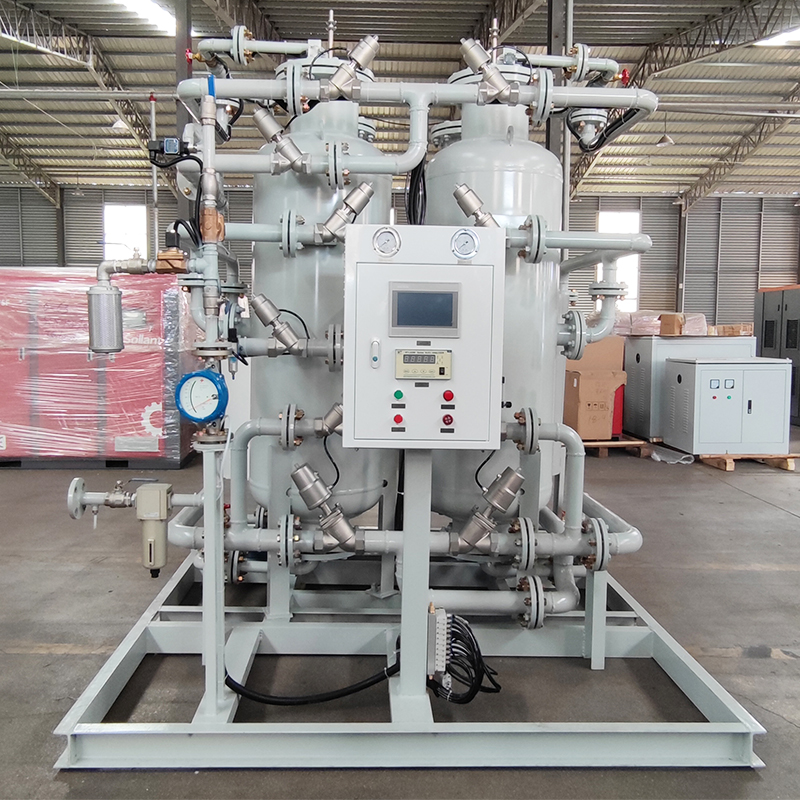
When purchasing a nitrogen generator, clarifying your needs is a crucial step, which is directly related to whether the selected equipment can meet your actual application requirements.
- Determine nitrogen purity
Nitrogen purity is a core parameter of the nitrogen generator, which determines the suitability of nitrogen in a specific application. Different industries and application scenarios have different requirements for nitrogen purity. For example, some chemical reactions may require high-purity nitrogen as a protective gas or reaction medium, while some food packaging or medical applications may accept lower purity nitrogen. Therefore, before purchasing a nitrogen generator, you need to accurately understand the specific requirements of your application for nitrogen purity and choose the appropriate equipment model and configuration accordingly.
- Evaluate nitrogen flow requirements
Nitrogen flow refers to the amount of nitrogen that a nitrogen generator can produce in a specific time. This parameter is crucial to ensure the continuity and efficiency of the production process. You need to calculate the required nitrogen flow based on the actual needs of the production line. This usually involves a comprehensive analysis of the production process, including the amount and frequency of nitrogen use in each process. Make sure the flow rate of the selected nitrogen generator can meet or exceed your actual needs to avoid downtime or decreased efficiency due to insufficient nitrogen supply during the production process.
- Consider nitrogen pressure requirements
Nitrogen pressure is another important parameter to pay attention to. Different applications may have different requirements for nitrogen pressure. For example, some gas delivery systems may require high-pressure nitrogen to drive, while some chemical reactions may need to be carried out under low pressure conditions. Therefore, when purchasing a nitrogen generator, you need to understand the specific requirements of your application for nitrogen pressure and choose the appropriate equipment accordingly. If the required nitrogen pressure is higher, you may need to consider using a booster or choosing a nitrogen generator model with a higher outlet pressure.
- Understand other special requirements
In addition to purity, flow and pressure, your application may have other special requirements. For example, some industries may require nitrogen generators to have explosion-proof, corrosion-resistant or high-temperature resistant characteristics. In addition, you also need to consider factors such as the size, weight, installation method, and compatibility with other equipment. Make sure that the selected nitrogen generator can meet all your special requirements to ensure the smooth operation and long-term stability of the equipment.
- Comprehensive evaluation of cost-effectiveness
In the process of clarifying the needs, you also need to comprehensively evaluate the cost-effectiveness. This includes the purchase cost, operating cost and maintenance cost of the equipment. Make sure that the selected nitrogen generator is not only cost-effective but also meets your needs. This helps you choose the most suitable equipment within your budget.
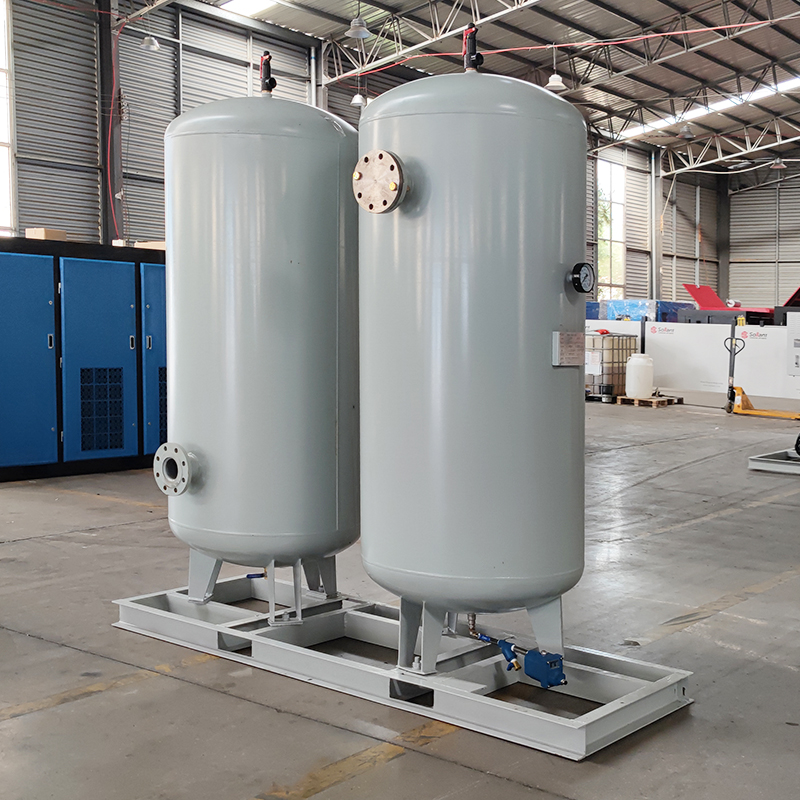
In summary, clarifying the needs is a key step before purchasing a nitrogen generator. By fully understanding and evaluating your application needs, you can more accurately select the appropriate equipment model and configuration to ensure the smooth operation and long-term stability of the equipment.
- Understand the brands and models
First, you need to collect information extensively to understand the main brands and models of nitrogen generators on the market. This can be achieved by consulting industry reports, attending exhibitions, communicating with peers or consulting professionals. Make sure that the information you obtain is comprehensive and accurate for subsequent comparison and analysis.
- Compare performance parameters
After understanding the brands and models, the next step is to compare their performance parameters. This includes key indicators such as nitrogen purity, flow, pressure, energy consumption, noise level, etc. Make sure that the data you collect is up to date and comes from a reliable source. By comparing these parameters, you can preliminarily screen out several devices that meet your needs.
- Investigate the equipment configuration
In addition to performance parameters, the configuration of the equipment is also an important factor in determining its performance and applicability. You need to pay attention to the core components of the equipment, such as compressors, molecular sieves, cooling systems, etc., as well as their brands, models and specifications. The quality and performance of these components directly affect the stability and service life of the equipment. In addition, you also need to consider the control system, safety devices and auxiliary functions of the equipment to ensure that the equipment can meet your operating needs and safety requirements.
- Consider the application scenario
Different application scenarios may have different requirements for nitrogen generators. For example, some industries may require equipment to have explosion-proof, anti-corrosion or high temperature resistance. Therefore, when comparing different models and configurations, you need to fully consider your application scenarios and choose equipment that can adapt to these special requirements.
- Evaluate after-sales service
After-sales service is a factor that cannot be ignored when purchasing a nitrogen generator. You need to understand the after-sales service content provided by each brand and model, including equipment installation, commissioning, training, repair and maintenance. Ensure that the selected equipment has a complete after-sales service system so that problems encountered during use can be solved in time.
- Refer to user reviews
User reviews are an important way to understand equipment performance and satisfaction. You can check user reviews of various brands and models to understand the actual use of the equipment, advantages and disadvantages, and user recommendations. This will help you have a more comprehensive understanding of the performance and applicability of the equipment, so that you can make a more informed choice.
Comprehensive evaluation of cost-effectiveness
Finally, you need to comprehensively evaluate the cost-effectiveness of various brands and models. This includes the purchase cost, operating cost, maintenance cost, and other expenses that may be incurred. Make sure that the selected equipment is reasonably cost-effective while meeting your needs. By comparing the cost-effectiveness of different models and configurations, you can find the most cost-effective equipment.
- Understand the background and qualifications of the manufacturer
First, you need to have an in-depth understanding of the background and qualifications of the manufacturer. This includes the manufacturer’s establishment time, registered capital, business scope, and whether it has relevant production licenses and certifications. This information can be obtained by consulting official websites, industry reports, or consulting professionals. Make sure that the manufacturer you choose is a legally registered and qualified formal enterprise engaged in the production of nitrogen generators.
- Investigate production capacity and technical strength
Next, you need to investigate the manufacturer’s production capacity and technical strength. This includes understanding the manufacturer’s production scale, production line equipment, process flow, and R&D team. By visiting the manufacturer’s production site, you can intuitively see the actual situation of its production capacity and technical level. At the same time, communicating with the manufacturer’s technical staff to understand their capabilities and achievements in technology research and development and product innovation is also an important way to evaluate their technical strength.
- Understand product quality and performance
Product quality and performance are key indicators for examining the strength of manufacturers. You need to understand the quality of the nitrogen generator produced by the manufacturer and whether it has undergone strict quality inspection and performance testing. This can be achieved by consulting the product’s quality inspection report, performance test data, and user evaluation information. At the same time, you can also ask the manufacturer to provide product samples for trial use to experience its performance and quality in person.
- Investigate the after-sales service system
After-sales service is an important manifestation of the manufacturer’s strength. You need to understand the after-sales service content provided by the manufacturer, including equipment installation, commissioning, training, repair and maintenance. Ensure that the manufacturer has a complete after-sales service system and can provide you with timely and professional technical support and maintenance services. In addition, you can also communicate with the manufacturer’s after-sales service personnel to understand their service attitude and response speed to evaluate the quality of their after-sales service.
- Understand the manufacturer’s reputation and reputation in the industry
The manufacturer’s reputation and reputation in the industry are also an important reference for examining its strength. You can learn about the manufacturer’s position and influence in the industry by consulting industry reports, attending exhibitions or consulting professionals. At the same time, you can also communicate with users who have used the manufacturer’s equipment to understand their evaluation and satisfaction with the manufacturer. This information helps you understand the manufacturer’s strength and reputation more comprehensively.
- Consider the manufacturer’s willingness and flexibility to cooperate
Finally, you also need to consider the manufacturer’s willingness and flexibility to cooperate. A good manufacturer should be willing to establish a long-term and stable cooperative relationship with you and provide personalized solutions to meet your specific needs. It is also an important aspect of evaluating its strength to communicate with the manufacturer’s sales staff or technicians to understand their cooperative attitude and flexibility.
In summary, investigating the manufacturer’s strength is a key step before purchasing a nitrogen generator. By fully understanding the manufacturer’s background, qualifications, production capacity, technical strength, product quality, after-sales service, reputation and willingness to cooperate, you can more accurately choose a manufacturer with strong strength and good reputation, thereby ensuring that you get high-quality, reliable equipment and high-quality after-sales service.
- Clarify the content of after-sales service
First, you need to clarify the content of after-sales service provided by the manufacturer. This usually includes equipment installation, commissioning, training, repair, maintenance and technical consultation. Ensure that the manufacturer can provide comprehensive after-sales service to meet your various needs during use. At the same time, it is also very important to understand the specific content of after-sales service, such as whether it includes door-to-door service, service response time, service fees, etc.
- Evaluate the after-sales service team
The professionalism and ability of the after-sales service team are directly related to the quality of after-sales service. You need to understand the personnel composition, technical level and experience of the manufacturer’s after-sales service team. Ensure that team members have rich experience in nitrogen generator repair and maintenance, can quickly solve equipment failures, and provide professional technical advice. In addition, understand the training mechanism and learning opportunities of the after-sales service team to evaluate its ability to continue learning and improvement.
- Understand the after-sales service process
Understanding the after-sales service process will help you better understand the steps to deal with the equipment when problems occur. You need to ask the manufacturer for detailed information about the after-sales service process, including the repair method, troubleshooting process, maintenance time, maintenance report, etc. Ensure that the process is clear and efficient, and can provide you with timely and accurate services.
- Investigate the after-sales service network
Whether the manufacturer’s after-sales service network is complete is also an important indicator for evaluating its after-sales service capabilities. You need to understand the distribution of the manufacturer’s after-sales service outlets across the country or in your area, and whether they can provide remote technical support and online services. Ensure that when the equipment fails, you can quickly contact the manufacturer and get timely service.
- Refer to user reviews
User reviews are an important way to understand the quality of the manufacturer’s after-sales service. You can check the manufacturer’s user reviews on major e-commerce platforms, industry forums or social media to understand the user’s satisfaction and opinions on the manufacturer’s after-sales service. This will help you have a more comprehensive understanding of the actual situation of the manufacturer’s after-sales service and make a more informed choice.
- Consider after-sales service guarantee measures
In order to ensure the reliability and stability of after-sales service, you need to understand whether the manufacturer has taken corresponding guarantee measures. This includes whether a complete spare parts inventory system has been established, whether emergency repair services are provided, and whether there is a professional technical support team. Ensure that the manufacturer has sufficient resources and capabilities in after-sales service to deal with various emergencies.
- Sign an after-sales service agreement
Finally, in order to ensure that your rights and interests are protected, you need to sign a detailed after-sales service agreement with the manufacturer. The agreement should clearly state the rights and obligations of both parties, service content, service period, service fees, and liability for breach of contract. Make sure the agreement is clear, legal, and can provide you with effective protection.
- Evaluate energy consumption level
- Energy efficiency: First, you need to understand the energy efficiency of the nitrogen generator, that is, the amount of electricity or other energy consumed by the equipment when producing a unit of nitrogen. The higher the energy efficiency, the less energy the equipment consumes during operation, thereby reducing operating costs. You can check the energy efficiency data of the equipment, or ask the manufacturer to provide an energy test report to evaluate its energy consumption level.
- Energy optimization technology: Understand whether the equipment uses advanced energy optimization technology, such as variable frequency speed regulation, intelligent control, etc. These technologies can adjust the equipment operating parameters according to actual needs, thereby reducing energy consumption.
- Long-term energy cost: In addition to considering the initial purchase cost of the equipment, you also need to calculate the long-term energy cost of the equipment. This includes the power consumption of the equipment during operation, maintenance costs, and possible upgrade or modification costs. By comparing the energy costs of different models and configurations, you can choose a more cost-effective equipment.
- Pay attention to environmental performance
- Emission standards: Understand the emission standards of the nitrogen generator, including emissions of exhaust gas, wastewater, and noise. Ensure that the equipment complies with local environmental regulations and standards to avoid environmental pollution during use.
- Environmentally friendly materials: Ask whether the equipment uses environmentally friendly materials, such as recyclable materials, non-toxic and harmless materials, etc. The use of these materials helps reduce the environmental impact of the equipment during production, use and disposal.
- Energy-saving technology: Find out whether the equipment uses energy-saving technologies, such as waste heat recovery and energy recycling. These technologies can reduce the energy consumption of the equipment while reducing the impact on the environment.
- Environmental certification: Check whether the equipment has obtained relevant environmental certifications, such as ISO 14001 environmental management system certification, CE certification, etc. These certifications prove the compliance and reliability of the equipment in environmental protection.
Consider sustainable development
- Equipment upgrade and transformation: Find out whether the equipment is easy to upgrade and transform to meet higher energy efficiency and environmental protection requirements in the future. This helps to extend the service life of the equipment while reducing future upgrade costs.
- Circular economy: Consider whether the equipment can be recycled and reused after being discarded to reduce the burden on the environment. Choosing equipment that is easy to recycle and reuse will help promote the development of the circular economy.
- Corporate social responsibility: Choosing a nitrogen generator manufacturer that focuses on energy consumption and environmental protection not only reflects your commitment to social responsibility, but also helps to enhance the company’s brand image and competitiveness.
- Check equipment specifications and configuration
- Model and configuration: First, you need to carefully check whether the nitrogen generator model, configuration and accessories listed in the contract are consistent with your actual requirements. Make sure that the contract describes in detail all key parameters of the equipment, such as nitrogen purity, flow, pressure, etc., as well as any additional functions or accessories.
- Technical specifications: Confirm that the contract contains detailed technical specifications of the equipment, including but not limited to the size, weight, power, material, etc. of the equipment. These specifications will help you understand the actual use conditions and limitations of the equipment.
- Customized requirements: If you have specific customized requirements, such as special control systems, interfaces or safety devices, make sure these requirements are clearly reflected in the contract and attached with detailed descriptions and drawings.
- Clarify after-sales service terms
- Warranty period: Confirm that the contract clearly stipulates the warranty period of the equipment, as well as the service content and conditions within the warranty scope. Understand the cost and policy of maintenance services outside the warranty period to avoid additional costs in the future.
- After-sales service commitment: Make sure the contract includes the manufacturer’s commitment to after-sales service, such as response time, service process, maintenance personnel qualifications, etc. These commitments will provide effective protection for problems you encounter during the use of the equipment.
- Training and support: Find out whether the contract includes training services for equipment operation and maintenance, and whether long-term technical support and consulting services are provided. These services will help you better use and maintain the equipment.
Confirm delivery and installation details
- Delivery time: Clarify the delivery time specified in the contract, as well as possible delays and how to deal with them. Make sure you have enough time to arrange the receipt and installation of the equipment.
- Transportation and insurance: Understand the transportation method and insurance policy of the equipment. Ensure the safety of the equipment during transportation, and understand the compensation policy for possible loss or damage during transportation.
- Installation and commissioning: Confirm that the contract includes equipment installation and commissioning services, as well as the specific content and costs of these services. Understand the preparations and cooperation that may be required during the installation process.
- Review the price and payment terms
- Total price and details: Check the total price and details of various costs in the contract, including equipment costs, transportation costs, installation costs, etc. Make sure all costs are clearly listed and avoid additional costs later.
- Payment method: Understand the payment methods specified in the contract, such as advance payment, final payment, installment payment, etc. Make sure you can pay the payment in accordance with the time and method specified in the contract, and understand any possible late payment or liquidated damages policy.
- Invoices and taxes: Confirm that the contract contains the correct invoice information and tax policies. Understand whether the equipment enjoys tax benefits, as well as any possible tax declaration and payment requirements.
- Consider legal and compliance
- Legality of contract terms: Ensure that the terms in the contract comply with local laws, regulations and industry standards. Avoid any potentially illegal terms, such as unfair terms or terms that restrict consumer rights.
- Dispute resolution mechanism: Understand the dispute resolution mechanism in the contract, such as arbitration or litigation. Ensure that you have a fair and efficient solution when disputes arise.
- Set the budget range
- Clearly define the budget ceiling: First, you need to set a reasonable budget ceiling based on the company’s financial situation, project requirements, and long-term planning. This ceiling will serve as a benchmark for your equipment screening to help you avoid exceeding your financial capacity.
- Flexibility in budget allocation: Although the budget ceiling is set, in actual operation, you may need to reserve a certain amount of flexibility for certain key performance or configurations. This helps you make a more informed choice when you encounter equipment with better performance but slightly higher prices.
- Evaluate cost-effectiveness
- Performance-to-price ratio: After setting the budget, you need to evaluate the performance-to-price ratio of different equipment. Choose equipment that has excellent performance, reasonable price, and can meet your actual needs.
- Long-term use cost: In addition to considering the purchase cost of the equipment, you also need to consider its long-term use cost, including energy consumption, maintenance costs, upgrade or transformation costs, etc. Choosing equipment that is energy-efficient, low-maintenance, and easy to upgrade will help reduce your long-term use costs.
- Consider potential costs
- Additional service costs: Before signing a contract, you need to understand whether the equipment includes additional services such as installation, commissioning, and training, and understand the cost of these services. These costs may increase your total cost, so they need to be considered in the budget.
- Spare parts and consumables costs: Understand the spare parts and consumables that the equipment may need during operation and evaluate their costs. Choosing equipment with easy-to-obtain spare parts and low consumables costs will help reduce your operating costs.
- Upgrade and transformation costs: As technology continues to advance, you may need to consider future upgrades and transformations of the equipment. Reserve a certain amount of money in the budget to ensure that the equipment can keep up with the pace of technological development and meet future needs.
- Develop a budget adjustment strategy
- Prioritization: With a limited budget, you need to prioritize the various performance of the equipment. Make sure to meet the most critical performance requirements first, and then consider other secondary requirements.
- Financing and leasing options: If the budget is tight, you can consider purchasing equipment through financing or leasing. These methods can help you spread the cost and reduce the initial investment.
- Negotiate with suppliers: Actively communicate with suppliers to find out if there are discounts, installment payments, or other preferential policies. Through negotiation, you may be able to reduce the purchase cost of the equipment without sacrificing performance.
- Continuously monitor budget execution
- Regular review: During the purchase and use of equipment, you need to regularly review the budget execution. This helps to detect budget deviations in a timely manner and take corresponding corrective measures.
- Cost control: Through effective cost control measures, such as optimizing equipment operating parameters, reducing energy consumption, and reducing maintenance costs, you can improve the cost performance of equipment without increasing the budget.
Request a Quick Quote Now
Shanghai Sollant Energy Saving Technology Co., Ltd.
Drawing on our years of experience and expertise in air separation and PSA technologies, we deliver customized solutions tailored to your specific needs.
